What is Maintenance Control System: Ultimate Guide to Boost Efficiency
Imagine a world where every machine, from the simplest appliance to the most complex industrial equipment, works seamlessly without unexpected breakdowns. Sounds like a dream, right?
A Maintenance Control System (MCS) is a tool to manage and organize maintenance tasks. It helps companies keep equipment in good shape and avoid breakdowns. Understanding the basics of MCS is important for smooth operations and cost savings.
MCS tracks maintenance schedules, records repairs, and manages resources. It improves communication between teams and speeds up work processes. This system is essential in industries like manufacturing, aviation, and utilities.
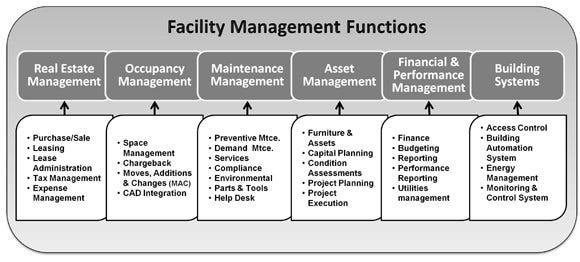
Core Functions
- Scheduling regular maintenance and inspections
- Tracking work orders and repair history
- Managing spare parts and inventory
- Reporting system performance and issues
- Ensuring compliance with safety regulations
Types Of Systems
- Manual Systems:Paper-based records and calendars
- Computerized Maintenance Management Systems (CMMS):Software for planning and tracking
- Enterprise Asset Management (EAM):Advanced systems integrating maintenance with other business functions
Key Components
- Work Order Management:Creates, assigns, and tracks tasks
- Asset Management:Monitors equipment details and status
- Inventory Control:Keeps track of parts and supplies
- Reporting Tools:Provides data for analysis and decision-making
- Mobile Access:Allows technicians to update information on-site
Well, this is where a Maintenance Control System steps in, bridging the gap between chaos and order. If you’ve ever found yourself frustrated by sudden equipment failures that disrupt your day or business operations, you’re not alone. But what if there was a way to predict and prevent these hiccups before they happen?
A Maintenance Control System is not just a tool; it’s your best ally in ensuring everything runs smoothly. It’s like having a crystal ball that not only foresees issues but also offers solutions. Imagine the peace of mind you’ll have knowing potential problems are being managed before they escalate. Curious to know how it works and how it can transform your life or business? Let’s dive deeper into the world of Maintenance Control Systems and uncover the secrets to achieving optimal efficiency and reliability.
Maintenance Control System Basics
Credit: worktrek.com
Benefits Of Maintenance Control
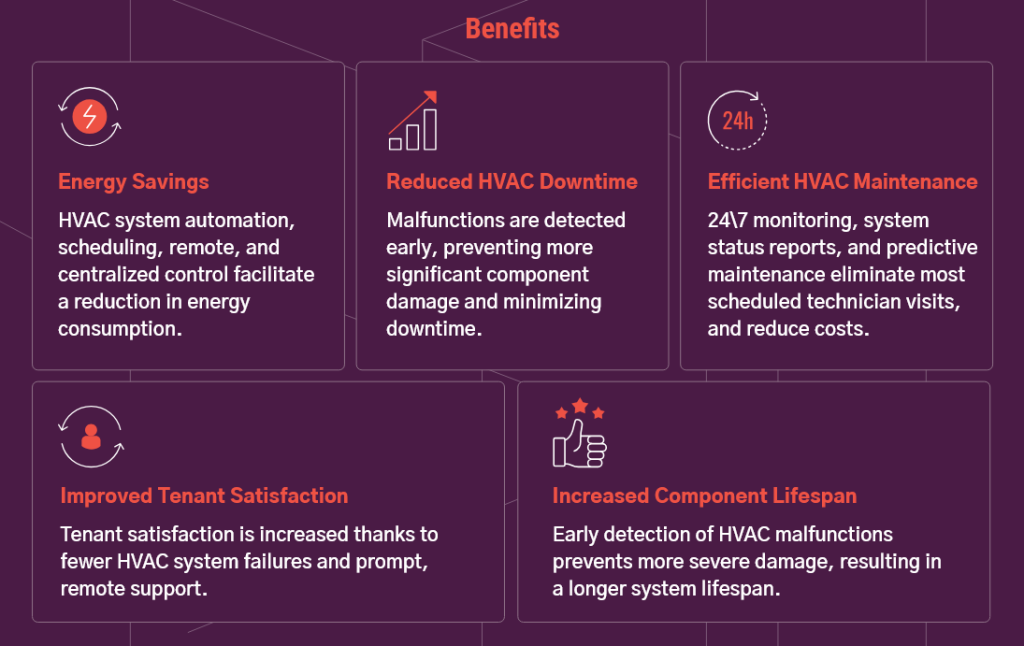
Maintenance control systems offer more than just organized scheduling—they provide tangible benefits that can transform the way you manage your equipment and operations. Understanding these advantages helps you make smarter decisions and get the most out of your assets. Here’s how maintenance control can impact your daily workflow and long-term planning.
Improved Equipment Lifespan
Regular maintenance keeps your machines running smoothly and prevents unexpected breakdowns. By tracking maintenance tasks precisely, you avoid neglecting small issues that could escalate into costly repairs.
Think about a time when a minor fault was caught early, saving you from replacing an entire part. Maintenance control systems make this possible by reminding you exactly when and what to check. This proactive approach extends the life of your equipment, letting you use it longer without sacrificing performance.
Cost Reduction
Unexpected equipment failures can drain your budget quickly. Maintenance control helps you plan repairs and replacements, reducing emergency expenses and downtime.
You can also optimize resource use—like labor and spare parts—by scheduling maintenance only when needed, not too early or too late. This careful timing lowers your overall operating costs and keeps your financial planning on track.
Enhanced Safety
Safety risks often increase when equipment isn’t properly maintained. Maintenance control systems ensure that safety checks and repairs happen on time, protecting both your team and your facility.
Have you noticed how a well-maintained machine feels more reliable to operate? This reliability reduces accidents caused by equipment failure and creates a safer work environment for everyone involved.
Implementing A Maintenance Control System
Implementing a Maintenance Control System (MCS) improves how businesses manage equipment care. It organizes tasks, schedules repairs, and tracks maintenance history. A good MCS reduces downtime and saves costs. Success depends on careful planning and clear steps.
Assessing Needs
Start by understanding your current maintenance process. Identify what works and what causes delays or errors. List equipment types and their maintenance requirements. Consider your team size and skill levels. Decide what features the system must have to fit your business.
Selecting The Right Software
Choose software that matches your needs and budget. Check if it supports mobile access and easy updates. Look for user-friendly design to help staff adopt it quickly. Compare options based on customer reviews and support services. Ensure the software can grow with your business.
Training Staff
Proper training ensures staff use the system well. Organize sessions to explain software functions and benefits. Use hands-on practice to build confidence. Provide clear guides and support during the first weeks. Encourage questions and feedback to improve learning.

Credit: www.rotorwork.co.nz
Features To Look For
Choosing the right Maintenance Control System (MCS) means looking beyond just basic functions. You want features that keep you ahead of potential issues, save time, and provide clear insights into your operations. The right tools can make your daily work smoother and help you avoid costly downtime.
Real-time Monitoring
Real-time monitoring lets you see the status of equipment and maintenance tasks instantly. It means you can catch problems before they get worse, saving you from emergency repairs. Imagine spotting a small issue early and fixing it quickly—how much money and stress could that save you?
This feature often includes alerts and notifications that keep you informed wherever you are. It’s like having a watchful eye on your assets 24/7, helping you act fast and stay in control.
Automated Scheduling
Automated scheduling takes the guesswork out of maintenance planning. It sets reminders and assigns tasks based on usage data and manufacturer recommendations. This helps you avoid missed maintenance and reduces the risk of unexpected breakdowns.
Think about how much easier your workload becomes when you don’t have to manually track every service date. You free up time to focus on other important areas of your work.
Reporting And Analytics
Good reporting and analytics turn raw data into useful information. They show you patterns and trends, helping you understand which machines need more attention and where costs can be cut. Have you ever wondered which parts of your operation are costing the most in repairs? This feature answers that question.
Reports can be customized to fit your needs, giving you clear visuals and actionable insights. This helps you make smarter decisions and improve your maintenance strategies over time.
Common Challenges And Solutions
Maintenance Control Systems (MCS) face several challenges that can impact their effectiveness. These challenges affect daily operations and long-term success. Understanding these issues helps to find practical solutions. Below are common problems and ways to address them.
Data Accuracy
Accurate data is vital for a Maintenance Control System. Poor data leads to wrong decisions and delays. Errors often come from manual entry or outdated information.
Solutions include:
- Automate data collection with sensors and scanners.
- Regularly audit and update records.
- Train staff to enter data carefully and consistently.
Integration With Existing Systems
Many companies use multiple software tools. Integrating these with the MCS can be complex. Lack of integration causes duplicate work and data gaps.
Solutions include:
- Choose MCS with open APIs for easier connection.
- Work with IT experts to customize integration.
- Test integrations thoroughly before full use.
User Adoption
Users must accept the Maintenance Control System for it to work well. Resistance or lack of training slows down adoption. This leads to underuse or errors.
Solutions include:
- Provide clear training and support materials.
- Involve users early in the selection and setup.
- Show how the system makes their work easier.
Future Trends In Maintenance Control
The future of maintenance control is evolving fast. New technologies improve how systems monitor and fix equipment. These trends help reduce downtime and cut costs. They also increase safety and efficiency in many industries.
Smart systems will play a big role. They collect and analyze data in real time. This helps predict problems before they happen. Let’s explore key trends shaping the future of maintenance control systems.
Iot Integration
The Internet of Things (IoT) connects machines and devices through the internet. Sensors collect data about equipment condition constantly. This data is sent to maintenance teams automatically. It allows quick response to issues and better resource planning.
IoT makes maintenance systems smarter and more responsive. It reduces manual checks and human errors. Real-time updates improve decision-making and asset management.
Predictive Maintenance
Predictive maintenance uses data to forecast when equipment might fail. It stops breakdowns by scheduling repairs just in time. This approach saves money and prevents unexpected downtime.
Advanced sensors monitor vibrations, temperature, and other signals. The system analyzes trends and alerts teams early. Maintenance becomes more precise, avoiding unnecessary work.
Ai And Machine Learning
Artificial Intelligence (AI) and Machine Learning improve data analysis. They find patterns humans might miss. These technologies help predict failures and optimize maintenance plans.
AI-driven systems learn from past data and adjust strategies automatically. They enhance accuracy in fault detection. Over time, they reduce costs and increase equipment lifespan.
Credit: limblecmms.com
Frequently Asked Questions
What Is A Maintenance Control System?
A Maintenance Control System manages and tracks maintenance activities. It helps organize schedules, resources, and equipment efficiently. This system ensures timely repairs, reduces downtime, and improves asset lifespan. It is essential for industries relying on regular equipment upkeep.
How Does A Maintenance Control System Improve Efficiency?
It streamlines maintenance tasks by automating scheduling and tracking. This reduces human error and delays. The system prioritizes urgent repairs and optimizes resource use. Ultimately, it boosts productivity and lowers operational costs.
What Industries Use Maintenance Control Systems?
Manufacturing, aviation, automotive, and facility management widely use these systems. Any sector with critical equipment benefits from organized maintenance. It ensures safety, compliance, and smooth operations across various industries.
Can Maintenance Control Systems Reduce Operational Costs?
Yes, by preventing unexpected equipment failures and downtime. Scheduled maintenance extends asset life and reduces repair expenses. The system optimizes labor and material use, leading to cost savings.
Conclusion
A Maintenance Control System helps keep machines and equipment running well. It tracks repairs, schedules checks, and prevents breakdowns. This system saves time and money by avoiding unexpected problems. Everyone in a workplace can use it to stay organized and safe.
Understanding how it works makes maintenance easier and more effective. It supports smooth operations and improves equipment life. A good system is key for any business that relies on machines. Simple, clear steps lead to better maintenance results every day.