How Arduino Has Affected Wearable Technology: Revolutionizing Innovation
Have you ever wondered how tiny gadgets you wear on your wrist or clothes work? These little devices, often called wearables, are changing how we live, work, and play.
But there’s one small, yet powerful, player behind this transformation—Arduino. By using Arduino, engineers and hobbyists can create amazing wearables that do everything from tracking your fitness to enhancing your virtual reality experience. Imagine being able to build your own custom wearable device that fits your exact needs.
Exciting, right? We’ll explore how Arduino is the secret ingredient in the rise of wearable technology and why it matters to you. Ready to dive in and discover how these small tech wonders are making a big impact on your life? Let’s get started!
Arduino’s Role In Wearables
Arduino has played a key role in the rise of wearable technology. It offers a simple way to create smart, interactive devices worn on the body. Many designers and hobbyists use Arduino to build wearables that track health, fitness, and environment. The platform helps bring ideas to life quickly and affordably.
Accessible Hardware Platform
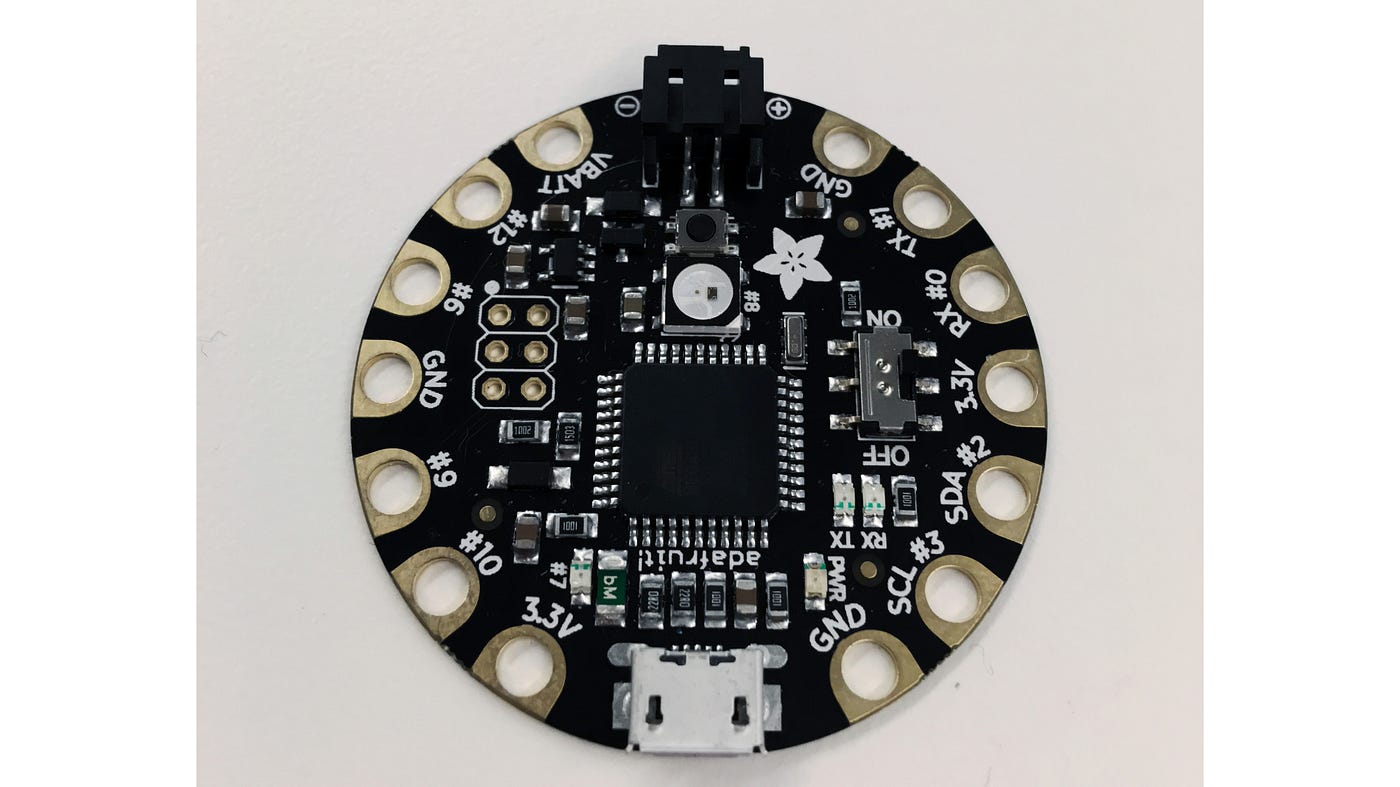
Arduino provides hardware that is easy to use and affordable. Its small size fits well into wearable designs. Developers can connect sensors and actuators with simple wiring. This accessibility lowers the barrier to entry for makers and students. Many wearables start as Arduino projects due to this flexibility.
Open-source Community Impact
Arduino’s open-source nature fuels innovation in wearables. Users share code, tutorials, and designs freely online. This community support accelerates learning and problem-solving. It also encourages collaboration across countries and skill levels. Beginners gain confidence by building on others’ work.
Rapid Prototyping Advantages
Arduino enables fast prototyping of wearable devices. Creators can test ideas in days instead of weeks. This speed helps refine designs before final production. Quick changes are easy with Arduino’s modular system. Testing early reduces costs and improves device quality.
Credit: www.researchgate.net
Innovations Enabled By Arduino
Arduino has opened up new possibilities in wearable technology by making complex electronics accessible and affordable. Its open-source platform allows developers and hobbyists alike to create innovative devices that can monitor, track, and enhance daily life. This accessibility has sparked a wave of creativity, pushing wearable tech beyond traditional boundaries.
Health Monitoring Devices
Arduino has empowered the development of affordable health monitoring devices that track vital signs like heart rate, temperature, and oxygen levels. These devices help users keep an eye on their health in real-time without needing expensive medical equipment.
Imagine building your own pulse oximeter or stress monitor with Arduino sensors. This hands-on approach not only saves money but also deepens your understanding of your body’s signals.
What could you learn about your health if you had continuous, customized data at your fingertips?
Fitness Trackers And Activity Sensors
Fitness trackers powered by Arduino enable precise activity tracking such as step counting, sleep monitoring, and calorie measurement. You can customize these trackers to fit your specific workout routines and fitness goals.
Many developers have created Arduino-based pedometers and accelerometers that sync with smartphones. This flexibility lets you tweak features or add sensors that commercial products often lack.
How might personalized fitness data change the way you approach exercise?
Smart Clothing And Accessories
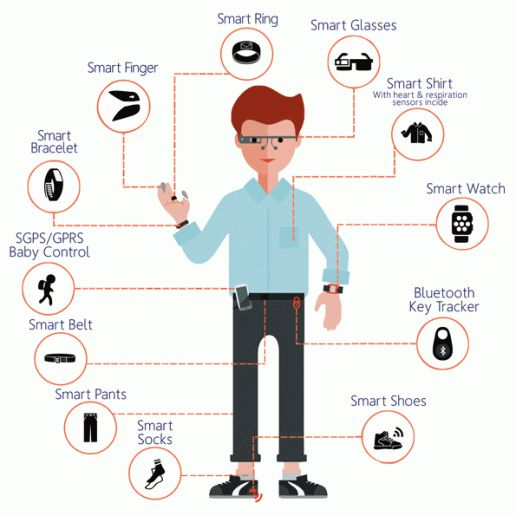
Arduino has inspired the creation of smart clothing and wearable accessories embedded with sensors and LEDs. These items can respond to environmental changes, track movement, or even display notifications.
For example, Arduino-powered jackets that change color based on temperature or gloves that control devices with hand gestures are now within reach for makers and designers. This blend of fashion and technology invites you to express yourself uniquely while staying connected.
What new functions would you want your clothes or accessories to have?
Arduino And Iot Integration
Arduino plays a vital role in linking wearable technology with the Internet of Things (IoT). It acts as a bridge that connects wearable devices to the internet and other smart systems. This integration brings smart features to wearables, making them more useful and interactive.
With Arduino and IoT integration, wearable devices can communicate data wirelessly. They can also collect and analyze information in real time. Managing these devices remotely becomes easier, enhancing user experience and device functionality.
Wireless Connectivity Options
Arduino supports many wireless options for wearables. These include Wi-Fi, Bluetooth, and Zigbee. Each option allows devices to send and receive data without cables. Bluetooth is common for short-range connections. Wi-Fi suits devices needing internet access. Zigbee offers low power use for longer battery life.
Choosing the right connectivity depends on the wearable’s purpose. Arduino boards often come with built-in wireless modules. This reduces the need for extra parts and keeps devices small and light.
Data Collection And Analysis
Arduino helps wearables gather data from sensors. This data can include heart rate, temperature, or movement. Arduino processes this data before sending it to the cloud or a smartphone. Processing on the device saves power and speeds up responses.
Collected data can be analyzed for health tracking or activity monitoring. Users get instant feedback or detailed reports. Arduino’s simple coding environment makes adding new sensors easy. This flexibility allows developers to create custom wearable solutions.
Remote Device Management
Arduino enables remote control of wearable devices. Users can update settings or software from anywhere. This feature improves device security and adds new functions. It also allows fixing bugs without physical access to the device.
Remote management helps in managing many wearables at once. This is useful for fitness groups or medical monitoring. Arduino’s IoT integration supports safe and efficient device control. It keeps wearables connected and up to date at all times.
Challenges And Limitations
Arduino has opened many doors for wearable technology. Yet, it faces some challenges that affect its full potential. These challenges limit how developers create and improve wearables. Understanding these issues helps in building better devices in the future.
Power Consumption Issues
Arduino boards often consume more power than ideal for wearables. Small devices need long battery life to be practical. High power use means frequent charging, which is inconvenient. Developers must find ways to reduce energy use. This remains a key obstacle for wearable projects using Arduino.
Size And Design Constraints
Wearables must be small and comfortable to wear all day. Many Arduino boards are too large or bulky for sleek designs. Adding sensors and batteries increases size further. This limits the creativity in making stylish and discreet devices. Miniaturization is necessary but challenging with Arduino hardware.
Security Concerns In Wearables
Wearables collect sensitive personal data. Arduino-based devices often lack advanced security features. This leaves users vulnerable to hacking or data theft. Protecting user privacy is difficult with limited processing power. Stronger security measures must be developed for safe wearables.
Future Trends In Arduino Wearables
The future of Arduino wearables is bright and full of possibilities. As technology evolves, Arduino platforms will continue to push the boundaries of what wearable devices can do. You might wonder how these changes will impact your own projects or daily life.
Advancements In Sensor Technology
Sensors are becoming smaller, smarter, and more energy-efficient. Arduino devices will soon support a wider range of sensors that measure everything from air quality to biometric data with greater accuracy.
This means your wearable could track your health metrics in real-time, providing insights that were once only available in clinical settings. Imagine a wristband that alerts you to dehydration or early signs of illness.
Enhanced Battery Solutions
Battery life is a common challenge in wearables, but new solutions are emerging. Arduino-compatible batteries are getting lighter and lasting longer, thanks to improved materials and power management.
You could soon wear devices that stay powered for days without bulky chargers. This opens up opportunities for continuous monitoring without interruptions, helping you stay connected and informed effortlessly.
Ai And Machine Learning Integration
Arduino wearables will increasingly include AI and machine learning capabilities. This allows devices to learn from your habits and adapt their functions accordingly.
For example, a fitness tracker could customize workout suggestions based on your progress or a health monitor might detect unusual patterns and notify you early. How would having a wearable that understands you change the way you manage your wellness?
Credit: medium.com

Credit: makezine.com
Frequently Asked Questions
How Has Arduino Influenced Wearable Technology Design?
Arduino has simplified wearable tech design by offering easy-to-use, affordable microcontrollers. This boosts innovation and speeds prototype development for diverse wearable applications.
What Benefits Does Arduino Bring To Wearable Devices?
Arduino enables flexible, customizable, and low-cost wearable devices. It allows developers to integrate sensors, control components, and collect data efficiently.
Can Arduino Improve Wearable Tech Functionality?
Yes, Arduino enhances functionality by supporting real-time data processing and wireless communication. This leads to smarter, interactive wearable gadgets.
Why Is Arduino Popular In Wearable Technology Projects?
Arduino’s open-source platform and extensive community support make it ideal for wearable tech. It encourages experimentation and rapid learning for creators.
Conclusion
Arduino has helped make wearable technology more affordable and creative. It allows hobbyists and experts to build smart devices easily. This has led to many new ideas in health, fitness, and daily life gadgets. Small, powerful, and flexible—Arduino fits well with wearable needs.
It keeps pushing the limits of what wearables can do. The future looks bright for DIY tech lovers and innovators. Wearable tech keeps growing, and Arduino plays a key role. Simple boards, big impact.