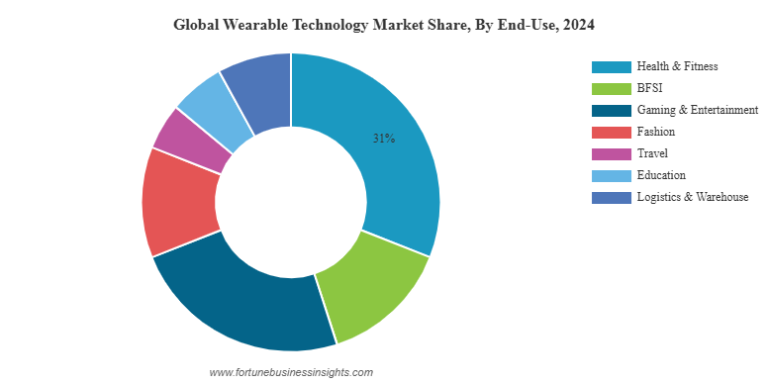
Is Dexcom Considered a Wearable Technology: Unveiled
Have you ever wondered if Dexcom falls under the category of wearable technology? If you’re managing diabetes or curious about health gadgets, understanding what makes a device “wearable” can change how you see your health routine.
This isn’t just about labels—it’s about knowing how Dexcom can fit into your daily life, offering real-time insights and convenience. Keep reading to discover why Dexcom might be more than just a medical device and how it could be a game-changer for you.
Credit: delivermymeds.com
Dexcom Device Overview
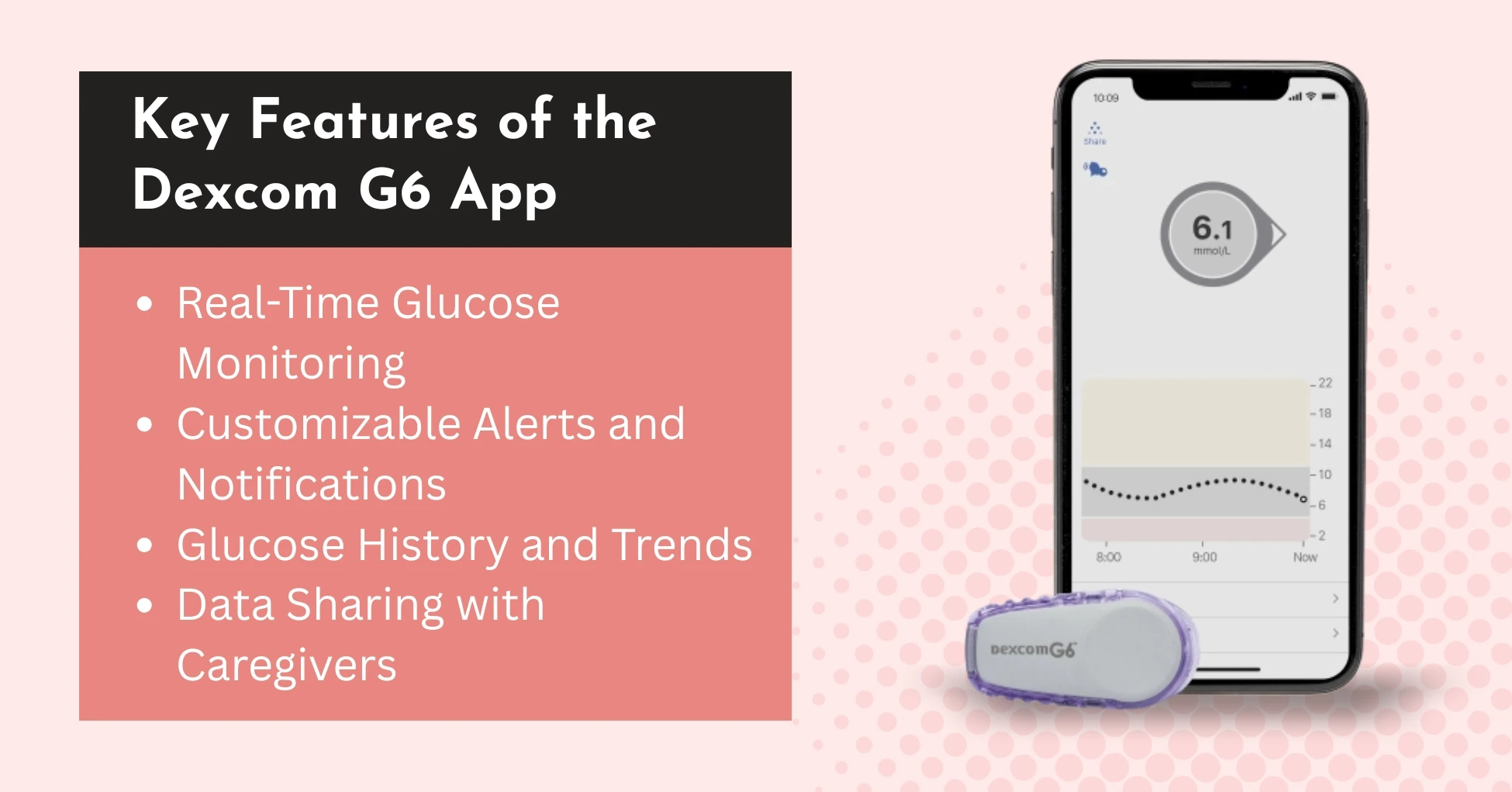
The Dexcom device is a small, wearable tool used to monitor blood sugar levels continuously. It helps people with diabetes keep track of their glucose without frequent finger pricks. This device offers real-time data and alerts, making daily diabetes management easier and safer.
Core Features
- Continuous glucose monitoring with real-time updates
- Wireless transmitter sends data to a smartphone or receiver
- Alerts for high and low blood sugar levels
- Water-resistant sensor worn on the skin
- Easy sensor insertion and replacement process
- Data sharing options with family and healthcare providers
How It Works
The Dexcom sensor is placed just under the skin. It measures glucose levels in the fluid around cells.
The transmitter attached to the sensor sends this information wirelessly. Data appears on a smartphone or receiver app.
Users get alerts when glucose levels are too high or too low. This helps prevent dangerous situations.
The device continuously tracks glucose, giving a clear picture of trends. Users can adjust food, activity, and medication accordingly.
Wearable Technology Defined
Wearable technology refers to electronic devices that you can wear on your body. These gadgets are designed to provide continuous data monitoring and seamless connectivity without interrupting your daily activities. Understanding what qualifies as wearable technology can help you see where devices like Dexcom fit into your health and tech routine.
Key Characteristics
Wearable technology typically has a few clear features that set it apart. First, it must be worn directly on the body, whether on the wrist, arm, or another part. Second, it collects or transmits data in real time, offering insights or feedback without needing you to stop and check manually.
Another important trait is connectivity. Most wearables sync with smartphones or computers, making it easier for you to track your progress or share information with others. Battery life and comfort also matter since these devices need to be worn for long periods without hassle.
Common Examples
- Smartwatches like the Apple Watch or Fitbit, which track your heart rate, steps, and notifications.
- Fitness bands that monitor physical activity and sleep patterns.
- Smart glasses that provide heads-up displays or augmented reality experiences.
- Medical devices such as continuous glucose monitors (CGMs), which provide critical health data throughout the day.
Have you noticed how these devices blend into everyday life while quietly gathering important information? This balance of comfort and technology is what makes wearables so effective.
Dexcom As Wearable Tech
The Dexcom system stands out as a prime example of wearable technology designed specifically for health management. It seamlessly blends into daily life, providing continuous glucose monitoring without interrupting your routine. Understanding how Dexcom fits into the wearable tech category helps you appreciate its value beyond just medical use.
Portability And Design
Dexcom devices are compact and lightweight, making them easy to wear all day without discomfort. The sensor attaches discreetly to your skin, allowing you to move freely and engage in activities without worry.
Its design focuses on user convenience, featuring simple application and minimal maintenance. Think about how often you check your phone—Dexcom keeps you informed just as effortlessly about your glucose levels, without the need for finger pricks.
Real-time Monitoring
What sets Dexcom apart is its ability to provide real-time glucose data straight to your smartphone or receiver. This instant feedback allows you to make quick decisions about your diet, exercise, and insulin needs.
Have you ever wondered how immediate information could change your daily health choices? Dexcom’s continuous stream of data empowers you to respond promptly to fluctuations, potentially preventing dangerous highs or lows before they happen.
Benefits For Users
The benefits of Dexcom as a wearable technology go beyond just tracking glucose levels. It offers real, everyday advantages that can change how you manage your health and fit diabetes care into your life. Understanding these benefits can help you see why Dexcom is more than just a device—it’s a tool designed to support your wellbeing in practical ways.
Health Management
Dexcom continuously monitors your glucose levels, giving you real-time data that helps you make better health decisions. Instead of guessing or relying on occasional fingersticks, you get a constant stream of information that shows how your body responds to food, exercise, and stress.
This ongoing insight helps prevent dangerous highs and lows, reducing the risk of complications. Imagine catching a glucose spike early and adjusting your insulin or snack choice immediately—this could save you from hours of discomfort or emergency situations.
Are you aware of how much your glucose fluctuates daily? Dexcom’s detailed trends and alerts can reveal patterns you might not notice otherwise, empowering you to take control.
Convenience And Accessibility
Wearing Dexcom means you don’t have to stop what you’re doing to check your glucose. The device sends readings directly to your smartphone or receiver, making it easy to access your data anytime, anywhere.
This hands-free approach fits smoothly into your routine, whether you’re at work, exercising, or sleeping. You get discreet alerts for high or low levels, so you can respond without drawing attention or interrupting your activities.
Think about how much simpler managing diabetes becomes when you can glance at your phone instead of carrying extra tools or testing frequently. Dexcom reduces hassle and keeps you informed on the go, increasing your confidence in handling your health.
Comparison With Other Wearables
The Dexcom device stands out in the world of wearables. It serves a specific medical function rather than general fitness tracking. Comparing Dexcom to other wearables helps clarify its unique place in wearable technology.
Wearable devices fall into broad groups. Each group has different purposes and features. Understanding these groups highlights Dexcom’s role.
Fitness Trackers
Fitness trackers measure physical activity and health metrics. Common features include:
- Step counting
- Heart rate monitoring
- Sleep tracking
- Calories burned
These devices focus on daily fitness and wellness goals. Popular brands include Fitbit and Garmin.
Fitness trackers do not provide medical data or alerts. They help users improve exercise and lifestyle habits.
Medical Wearables
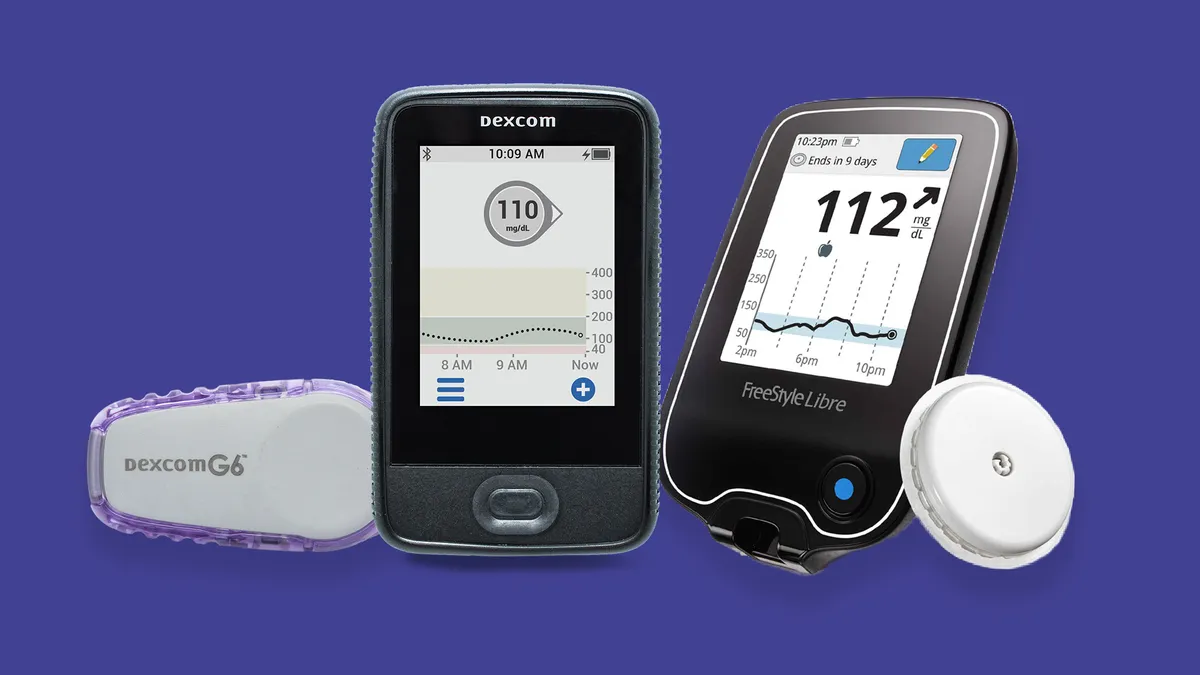
Medical wearables monitor health conditions with clinical accuracy. Dexcom is part of this group. It continuously measures glucose levels for diabetics.
Key features of medical wearables include:
- Real-time health monitoring
- Alerts for critical health changes
- Data sharing with healthcare providers
Medical wearables support disease management and treatment. They require FDA approval for safety and accuracy.
Unlike fitness trackers, medical wearables target specific health needs. Dexcom’s continuous glucose monitor is essential for many users’ daily care.
Credit: www.medtechdive.com
Future Trends In Dexcom Technology
The future of Dexcom technology holds exciting possibilities that could change how you manage glucose monitoring daily. Innovations are focusing on making the devices smarter, more accurate, and seamlessly connected to your lifestyle. These trends promise to enhance convenience and provide deeper insights into your health.
Integration With Smart Devices
Dexcom is increasingly designed to work smoothly with smartphones, smartwatches, and other wearable gadgets. Imagine receiving real-time glucose alerts directly on your wrist without pulling out your phone. This integration allows you to track your data effortlessly and share it instantly with your healthcare provider or loved ones.
Such connectivity also opens doors to personalized health apps that analyze your glucose patterns and suggest actionable tips. How would having your glucose data linked to your fitness tracker change your approach to daily exercise or meal planning?
Advancements In Sensor Technology
Sensor technology in Dexcom devices is evolving to offer longer wear times and greater accuracy. New sensors are becoming smaller and less invasive, reducing discomfort during use. This means you can focus more on living your life and less on device maintenance.
Improved sensor materials and algorithms help detect glucose changes faster and more reliably. What would it mean for you to have more trustworthy data that helps prevent highs and lows before they happen?

Credit: www.cnet.com
Frequently Asked Questions
Is Dexcom Classified As Wearable Technology?
Yes, Dexcom is considered wearable technology. It continuously monitors glucose levels through a small sensor worn on the body, providing real-time data to users. This wearable device helps manage diabetes effectively by offering convenience and continuous health tracking.
How Does Dexcom Work As A Wearable Device?
Dexcom uses a sensor inserted under the skin to measure glucose levels. The sensor sends data wirelessly to a receiver or smartphone app, allowing users to track glucose trends and receive alerts, making diabetes management easier and more proactive.
Can Dexcom Improve Diabetes Management Outcomes?
Yes, Dexcom improves diabetes management by providing continuous glucose monitoring. Real-time data helps users make informed decisions about insulin, diet, and activity. This leads to better glucose control, fewer complications, and improved overall health for people with diabetes.
What Devices Are Compatible With Dexcom Technology?
Dexcom is compatible with specific smartphones, smartwatches, and receivers. It supports iOS and Android devices through dedicated apps. Compatibility enhances user experience by allowing seamless data access and alerts on multiple devices for better glucose monitoring.
Conclusion
Dexcom fits the definition of wearable technology well. It is a small device worn on the body. It tracks glucose levels in real time. This helps people manage diabetes more easily. The device connects to smartphones or receivers. It sends data continuously without manual checks.
Wearable tech like Dexcom makes health monitoring simple. It blends technology with daily life smoothly. For those needing constant glucose tracking, Dexcom offers clear benefits. Simple, effective, and wearable—Dexcom meets modern health needs.