What are the Tariffs on Coo China Electronic Components Now: Latest Updates
Are you wondering how tariffs on Coo China electronic components could affect your business or projects? Understanding these tariffs is crucial if you rely on importing parts or planning your budget.
You’ll get clear, up-to-date information on the current tariff rates and what they mean for your costs and supply chain. Keep reading to make sure you’re not caught off guard and can make smarter decisions moving forward.
Current Tariff Rates
Understanding the current tariff rates on electronic components imported from China is crucial for businesses and consumers alike. These tariffs directly impact pricing, supply chain decisions, and overall market dynamics. Knowing the exact rates helps you plan better and avoid unexpected costs.
Overview Of Current Tariff Rates
Tariffs on electronic components from China vary depending on the product category and its classification under the Harmonized Tariff Schedule (HTS). Most commonly, these rates range from 7.5% to 25%. The U.S. government has implemented these tariffs as part of ongoing trade measures, affecting a wide range of components like semiconductors, circuit boards, and connectors.
Detailed Breakdown By Product Type
| Product Type | Tariff Rate (%) | Notes |
|---|---|---|
| Semiconductors | 25% | High impact due to broad usage in electronics |
| Circuit Boards | 15% | Applies to both bare and assembled boards |
| Connectors and Cables | 7.5% | Lower tariff but affects large volume imports |
| Other Electronic Components | 10-25% | Varies widely based on HTS classification |
Impact On Your Electronics Sourcing Strategy
If you rely on Chinese electronic components, these tariffs can add a significant cost layer. Have you considered alternative suppliers or negotiating price adjustments with your current vendors? Even a small tariff increase can erode profit margins or push retail prices higher.
Thinking beyond just cost, tariffs may influence delivery times and product availability. Have you analyzed how these changes affect your inventory and production schedules? Sometimes, paying a bit more upfront avoids bigger losses from supply delays.
Impact On Importers
Tariffs on Chinese electronic components impact importers directly. Rising tariffs increase the cost of bringing goods into the country. This change affects budgeting and pricing strategies. Importers face challenges maintaining profit margins while staying competitive. It demands careful planning and cost management.
Importers might seek alternative suppliers to reduce expenses. Some may delay orders or reduce quantity to control spending. These adjustments affect supply chains and delivery times. Importers must stay updated on tariff changes to adapt quickly.
Increased Cost Of Goods
Higher tariffs raise the price of imported electronic parts. Importers pay more to clear customs and handle fees. These added costs often pass to customers, increasing retail prices. This scenario can lower demand and affect sales volume.
Supply Chain Disruptions
Tariffs may cause importers to change suppliers or shipping routes. These shifts can delay shipments and increase lead times. Importers risk inventory shortages or excess stock. Careful inventory management becomes essential to avoid losses.
Need For Strategic Sourcing
Importers explore sourcing from countries with lower tariffs. Diversifying suppliers reduces dependency on one market. It helps manage risks linked to trade policy changes. Strategic sourcing improves supply chain resilience and cost control.
Impact On Small And Medium Importers
Small importers feel tariff impacts more due to limited budgets. They have less room to absorb increased costs. Price hikes may force them out of certain markets. Support and careful planning help them stay competitive.
Changes In Trade Policies
Trade policies between countries often shift, impacting tariffs on electronic components from China. These changes affect costs, supply chains, and even your product pricing. Understanding the recent policy updates can help you anticipate challenges and spot new opportunities.
Recent Adjustments In Us-china Trade Relations
The US has modified tariffs on various Chinese electronic parts several times over the past year. Some tariffs were increased to protect domestic industries, while others were reduced to ease supply chain pressures. This back-and-forth creates uncertainty for businesses relying on these components.
Have you noticed price fluctuations in your electronic supplies lately? These changes often reflect the latest trade decisions made behind the scenes.
Impact On Import Costs And Supply Chains
Higher tariffs mean higher import costs. Companies importing Chinese electronic components may pass these costs to consumers or seek alternative suppliers. This shift can disrupt your expected delivery times and product pricing.
Are you prepared to adjust your sourcing strategy if tariffs rise again? Flexibility in your supply chain can save both time and money.
Government Incentives And Trade Agreements
Some governments offer incentives to counterbalance tariff hikes, such as tax breaks or subsidies for sourcing locally. Additionally, new trade agreements aim to reduce tariffs gradually, benefiting long-term importers.
Have you checked if your business qualifies for any incentives? Staying informed about these programs can directly improve your bottom line.
How Businesses Are Responding To Policy Changes
Many businesses diversify their suppliers or stockpile critical components to manage risks. Others invest in local manufacturing or redesign products to use alternative parts. These practical steps help maintain stability despite tariff uncertainties.
What steps have you taken to protect your supply chain from sudden tariff changes? Learning from others’ strategies can inspire your next move.
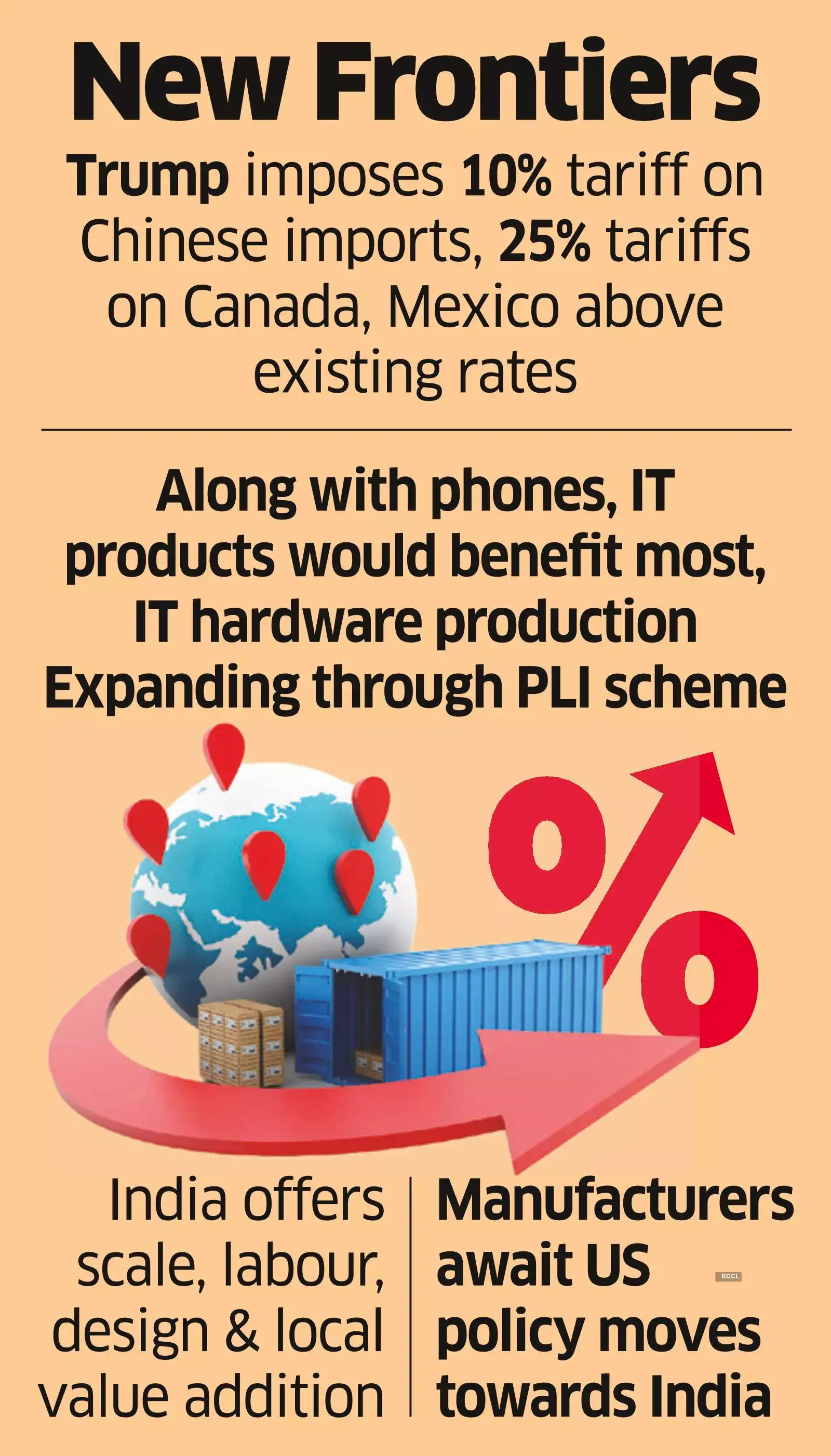
Credit: m.economictimes.com
Comparative Analysis With Previous Years
Understanding how tariffs on China electronic components have shifted over the years can help you anticipate costs and make smarter purchasing decisions. Comparing current tariffs with those from previous years reveals patterns and sudden changes that impact your supply chain and pricing strategy.
Have you noticed how some components suddenly become more expensive without clear reasons? A closer look at tariff changes might explain those price jumps.
Tariff Rates: Then Vs. Now
| Year | Average Tariff Rate (%) | Key Changes |
|---|---|---|
| 2021 | 15% | Initial tariffs imposed on select components |
| 2022 | 18% | Expanded list, higher rates on semiconductors |
| 2023 | 12% | Partial tariff relief on consumer electronics |
| 2024 | 14% | Reinstated tariffs on industrial components |
Notice the fluctuations? Tariffs aren’t static. They respond to trade policies and global market pressures.
Impact On Supply Chain Costs Over Time
Tariff hikes often translate directly into higher costs for your inventory. In 2022, many businesses faced a sharp increase, pushing product prices up by nearly 10%. But in 2023, some relief came as tariffs eased on consumer-focused electronics, helping reduce expenses temporarily.
Have you adjusted your sourcing strategy to balance these cost changes? Diversifying suppliers or stockpiling before tariff hikes can save money.
Policy Shifts Influencing Tariff Changes
- Trade negotiations:Agreements between countries can lead to tariff reductions or spikes.
- Economic tensions:Political conflicts often trigger tariff increases as leverage.
- Technological priorities:Focus on protecting domestic tech industries impacts specific component tariffs.
These factors make the tariff landscape unpredictable. Staying updated on policy shifts is crucial for your business planning.
Response From Chinese Manufacturers
Chinese manufacturers have shown varied reactions to the current tariffs on COO China electronic components. These tariffs influence production costs, supply chains, and export strategies. Many businesses are adapting quickly to maintain competitiveness.
Some manufacturers are shifting production to different regions. Others focus on improving efficiency and reducing waste. The goal is to keep prices stable despite higher import taxes.
Adjusting Supply Chains
Many companies are diversifying their supply chains. They source parts from countries with lower tariffs. This approach helps reduce reliance on China-only suppliers. It also cuts extra costs caused by tariffs.
Enhancing Local Production
Some manufacturers invest more in local factories. Producing components closer to the market reduces import fees. It also speeds up delivery times. This strategy lowers overall expenses and keeps customers happy.
Innovating Product Designs
To offset tariff impacts, innovation is key. Manufacturers redesign components to use cheaper materials. They also simplify designs for easier assembly. These changes help maintain product quality while cutting costs.
Negotiating With Partners
Chinese firms work closely with suppliers and buyers. They negotiate better prices and payment terms. Building strong relationships helps them manage tariff effects. It also ensures smoother business operations.
Exploring New Markets
Some manufacturers explore markets outside the US. Expanding to Europe, Asia, and Africa reduces dependence on tariff-affected regions. New customers provide fresh revenue sources and growth opportunities.

Credit: procurementpro.com
Effect On Global Supply Chains
The tariffs on China’s electronic components impact global supply chains deeply. These tariffs raise costs for manufacturers and suppliers worldwide. Many companies rely on Chinese parts for their products. Higher tariffs mean higher prices and delays in production.
Supply chains grow more complex as businesses seek alternatives. Finding new suppliers takes time and money. This disruption affects industries like smartphones, computers, and automotive sectors. The entire flow of goods from raw materials to finished products slows down.
Increased Production Costs
Tariffs increase the price of electronic components from China. Companies face higher expenses for key parts. These costs pass to consumers or reduce profit margins. Small manufacturers feel the pressure more than large corporations.
Supply Chain Diversification
Businesses try to reduce reliance on China. They look for suppliers in other countries. Countries like Vietnam, India, and Mexico gain attention. This shift takes time and often raises costs further. Not all suppliers can meet the same quality or volume.
Delays And Uncertainty
Tariffs cause delays in customs and shipping processes. Companies face unpredictable delivery times. Planning becomes harder for production schedules. Uncertainty affects inventory management and customer satisfaction.
Impact On Global Trade Relationships
The tariffs strain trade relations between countries. Some nations respond with their own tariffs. This leads to a cycle of trade restrictions. Global cooperation on supply chains becomes more difficult.
Predictions For Future Tariffs
Predicting future tariffs on Coo China electronic components requires a clear look at current trade trends and geopolitical shifts. Tariffs don’t just change overnight; they respond to political climates, economic strategies, and international relations. Understanding these factors helps you prepare your business for upcoming cost changes and supply chain adjustments.
Factors Influencing Future Tariff Changes
Several key factors will shape how tariffs evolve:
- Trade negotiations:Ongoing talks between China and other countries could lead to tariff reductions or increases depending on outcomes.
- Political relations:Tensions or improvements between governments play a big role in tariff decisions.
- Economic policies:Shifts in economic priorities, such as focusing on domestic manufacturing, might push tariffs higher.
Have you considered how these factors might impact your sourcing strategy?
Possible Scenarios For Tariff Trends
Experts often predict a few scenarios for tariffs on electronic components from Coo China:
- Gradual reduction:If trade talks improve, tariffs could slowly decrease, benefiting importers.
- Stable tariffs:Tariffs might remain steady if political situations stay unchanged.
- Increased tariffs:Rising geopolitical tensions could cause new tariffs or higher rates.
Think about which scenario would most affect your pricing and supply chain flexibility.
How To Prepare For Tariff Fluctuations
Planning ahead can save you from unexpected costs:
- Diversify suppliers:Don’t rely solely on one country; explore alternative sources.
- Monitor trade updates:Stay informed about trade policies and announcements.
- Adjust pricing strategies:Build in flexibility to your product pricing to absorb tariff changes.
Are you ready to adapt quickly when tariffs shift?
Impact Of Technology And Automation On Tariffs
Technology could influence tariff policies indirectly. Automation in manufacturing might reduce dependency on imports, leading governments to rethink tariff needs. Keep an eye on technological advancements—they could change the tariff landscape faster than you expect.
Credit: suntsu.com
Frequently Asked Questions
What Are The Current Tariffs On Coo China Electronic Components?
Current tariffs on Coo China electronic components range between 10% and 25%. These tariffs depend on the product category and trade policies. Importers should check the latest U. S. Trade Representative updates for exact rates before purchasing.
How Do Tariffs Affect The Price Of China Electronic Parts?
Tariffs increase the overall cost of China electronic parts by adding import taxes. This makes products more expensive for manufacturers and consumers. Higher tariffs can lead to supply chain adjustments and sourcing from alternative countries.
Are There Any Exemptions For Coo China Electronic Components Tariffs?
Certain electronic components may have tariff exemptions or reduced rates under specific trade agreements. Exemptions vary based on product codes and import purposes. Businesses should consult customs officials or trade experts for eligibility details.
When Were The Tariffs On Coo China Electronic Components Implemented?
Most tariffs on Coo China electronic components were implemented starting in 2018 during the U. S. -China trade dispute. Some tariffs have been modified or updated since then. Staying informed on policy changes is important for importers.
Conclusion
Tariffs on Coo China electronic parts have changed recently. This affects prices for buyers and sellers alike. Knowing the current rates helps make smart decisions. Stay updated to avoid surprises in costs. Trade rules can shift, so keep checking. Understanding tariffs saves money and time.
Keep this info handy when planning purchases. It makes navigating the market easier. Simple steps lead to better business choices.