How to Organize Hobby Electronics: Ultimate Tips for Tidy Success
Are you tired of searching for that one resistor or LED in a tangled mess of wires and components? Organizing your hobby electronics can transform your workspace and boost your productivity.
Imagine the satisfaction of finding exactly what you need when you need it. This isn’t just about tidying up; it’s about unlocking your creative potential. With a well-organized setup, you can dive into your projects with ease and efficiency. In this guide, you’ll discover simple yet effective strategies to keep your electronics in order.
Get ready to turn chaos into clarity and enjoy your hobby like never before.
Choosing The Right Storage
Choosing the right storage is key to keeping your hobby electronics neat and safe. Proper storage protects delicate parts from dust, moisture, and damage. It also helps you find items quickly and saves workspace. Knowing the right storage types and materials makes organizing easier. You can pick options that fit your tools and parts perfectly.
Types Of Storage Solutions
Storage for electronics comes in many forms. Small parts boxes with compartments keep resistors and capacitors sorted. Tool chests hold screwdrivers, pliers, and soldering irons safely. Drawer organizers work well for circuit boards and cables. Clear plastic bins let you see contents without opening. Wall-mounted pegboards save desk space and hold frequently used tools. Choose storage based on the size and quantity of your items.
Materials That Work Best
Durable materials extend the life of your storage solutions. Plastic bins resist moisture and are lightweight. Metal cabinets offer strong protection against impact. Wood can be stylish but may absorb moisture and warp. Anti-static containers are vital for sensitive electronic parts. Clear materials help with quick identification. Pick materials that protect your electronics and fit your workspace environment.
Custom Vs. Ready-made Options
Custom storage fits your exact needs and space. You can design compartments to hold specific items. Custom shelves or boxes maximize your workspace. Ready-made options are usually cheaper and easy to find. They work well for standard parts and tools. Some ready-made units are modular and can be expanded later. Consider your budget and storage needs before choosing between custom or ready-made.
Sorting Components Effectively
Sorting your hobby electronics components effectively can save you hours of frustration and boost your project productivity. When components are neatly organized, you find what you need quickly and avoid buying duplicates. It’s not just about tidiness—it’s about working smarter and enjoying your hobby more.
Categorizing By Type And Size
Start by grouping your components based on their type—resistors, capacitors, transistors, ICs, wires, and so on. Within each type, sort further by size or value, such as resistor resistance or capacitor microfarads. This helps you grab the right part instantly without rummaging through piles.
For example, I once spent half an afternoon hunting for a specific resistor value because I hadn’t sorted them by resistance. After organizing them into labeled bins by type and size, finding the right resistor became almost automatic.
Labeling Techniques
Clear labels are your best friends. Use a label maker or write neatly on masking tape to identify each container or drawer. Include key details like component value, tolerance, and quantity.
Try to keep labels consistent and easy to read. Avoid abbreviations that only you understand. Think about how a newcomer would find a part—this mindset ensures your system stays user-friendly.
Using Color Coding
Color coding adds a visual layer that speeds up identification. Assign colors to categories or component values—like red for high-value resistors and blue for capacitors. Colored stickers or bins work well for this.
This method worked wonders for me when I had multiple resistor values. Instead of reading tiny print, my eyes could instantly spot the right bin by color. What colors would you choose to make your setup work best?
Workstation Setup
Your workstation setup can make or break your hobby electronics experience. A well-organized space helps you focus on your projects without wasting time hunting for tools or tangled cables. Setting up your workstation thoughtfully boosts both productivity and enjoyment.
Essential Tools Placement
Place the tools you use most often within arm’s reach. Keep soldering irons, wire cutters, and multimeters on a dedicated tool rack or magnetic strip close by. This way, you won’t interrupt your workflow by searching for essentials.
Group similar items together, like resistors and capacitors, in labeled containers or drawers. I found that sorting my components by type and value saved me hours during builds, especially when troubleshooting.
Lighting And Ergonomics
Good lighting is crucial—choose a bright, adjustable desk lamp with a daylight bulb to reduce eye strain. Position it so it eliminates shadows on your work surface.
Think about your chair and desk height. A comfortable chair with back support and a desk at elbow height prevents fatigue during long sessions. Have you ever felt stiff after hours of tinkering? Proper ergonomics can prevent that discomfort.
Cable Management Tips
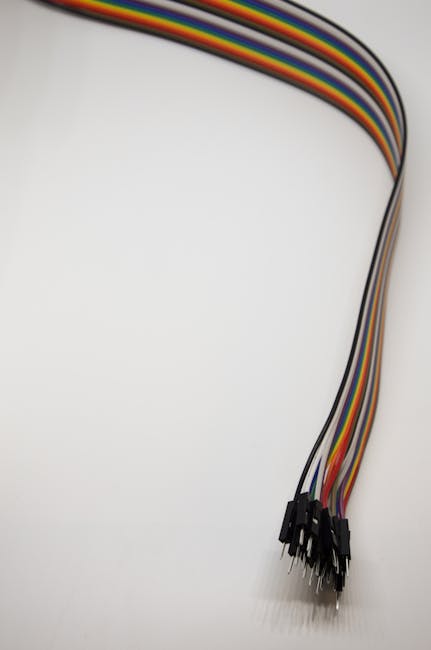
Tidy cables not only look better but also prevent accidents and damage. Use cable ties or Velcro straps to bundle wires neatly.
Label your cables with tags or colored tape to quickly identify connections. I once spent 20 minutes untangling my power cords before switching to labeled cables—it’s a small step that saves big headaches.
Maintaining Organization
Maintaining organization in your hobby electronics space is key to keeping your creativity flowing and avoiding frustration. It’s not just about setting up once; it’s about creating habits that make tidiness a natural part of your routine. Small daily efforts pay off and keep your workspace ready for your next project.
Daily Cleanup Habits
Spend just 5 to 10 minutes each day tidying your work area. Put away tools and components immediately after use to prevent clutter from piling up. I once ignored this and ended up spending hours searching for a simple resistor—don’t let that happen to you.
Keep a small bin or drawer nearby for scraps and broken parts. Empty it regularly so it doesn’t overflow. A clean workspace helps you think clearly and work efficiently.
Inventory Tracking
Track your components and tools so you always know what you have and what you need. Use a simple spreadsheet or a free app to list items, quantities, and storage locations. This saves time hunting for parts and avoids unnecessary purchases.
Try labeling bins and drawers clearly. When you return items, you’ll instantly know where they belong. Have you ever grabbed the wrong capacitor just because you couldn’t find the right one? Labeling prevents that confusion.
Regular Decluttering
Set a reminder to review your collection every few months. Remove broken parts, duplicates, or items you no longer use. This keeps your stock manageable and frees up space for new components you actually need.
Think about the last time you opened a drawer and felt overwhelmed. That’s a sign it’s time to declutter. Keep only what supports your current and upcoming projects to stay focused and organized.
Digital Tools For Hobbyists
Managing hobby electronics can feel overwhelming without the right digital tools. You need solutions that keep your components, projects, and ideas organized and easy to track. Digital tools offer simplicity and efficiency, helping you save time and avoid frustration.
Inventory Apps
Keeping an accurate list of your parts is crucial. Inventory apps like PartsBoxor Sortlylet you catalog components with photos, quantities, and locations.
These apps often support barcode scanning, which speeds up adding items. You can quickly check what’s in stock before starting a new project. Have you ever spent hours searching for a resistor only to find out you had plenty all along? Inventory apps solve that.
Project Management Software
Tracking your progress and deadlines can be tricky without a system. Tools like Trelloor Asanahelp you organize tasks, set priorities, and share updates if you collaborate with others.
You can create boards for each project, add checklists, and attach files like schematics or datasheets. This keeps everything in one place and reduces the chances of missing critical steps. Imagine how much smoother your builds would go with a clear roadmap at your fingertips.
Online Resources For Organization
Websites and forums can guide your organization efforts with templates, tutorials, and community advice. Platforms like Instructablesor Reddit’s r/electronicsoffer real-world tips and hacks from fellow hobbyists.
You might find a shared spreadsheet template for inventory or project tracking that fits your style perfectly. Why reinvent the wheel when others have already created effective tools? Engaging with these resources keeps your approach fresh and practical.
Creative Storage Ideas
Creative storage ideas make hobby electronics easy to manage and fun to use. Organizing parts, tools, and projects keeps your workspace clean. It helps you find items fast and saves time. Explore simple and smart ways to store your electronics gear.
Repurposing Household Items
Household items can become handy storage solutions. Use jars and containers to hold small parts like screws and resistors. Old muffin tins or ice cube trays separate tiny components. Shoe boxes and plastic bins work well for larger tools and cables.
Repurposing saves money and reduces waste. Label each container clearly for quick access. Clear containers let you see contents without opening them. Use magnetic strips on walls to hold metal tools and parts securely.
Diy Storage Projects
Creating your own storage can fit your exact needs. Build shelves or racks from wood to keep items off your desk. Use pegboards to hang tools and wires neatly. Craft small drawer units for sorting tiny components.
Customize boxes with dividers to separate different parts. Paint or decorate your storage for a personal touch. DIY projects let you organize exactly how you like it. They help keep everything visible and easy to reach.
Space-saving Hacks
Maximize your workspace with clever space-saving hacks. Stackable containers use vertical space efficiently. Use wall-mounted shelves to free up desk room. Hang tools on hooks to keep surfaces clear.
Roll-up mats or tool rolls store items compactly. Use drawer organizers to avoid clutter. Label storage clearly to avoid digging through piles. These hacks help keep your electronics hobby neat and tidy.
Frequently Asked Questions
How Can I Efficiently Sort Hobby Electronics Components?
Sort components by type, size, or function using labeled bins. Use clear containers for easy visibility. Keep frequently used parts accessible to save time during projects.
What Storage Solutions Work Best For Hobby Electronics?
Modular drawer organizers, small plastic bins, and stackable containers work well. Magnetic strips and pegboards help store tools neatly. Choose solutions that fit your workspace and keep items tidy.
How Do I Prevent Damage To Electronic Parts During Storage?
Store sensitive parts in anti-static bags or containers. Keep components dry and away from direct sunlight. Label each storage unit clearly to avoid mishandling or mixing parts.
How To Keep Wires And Cables Organized In A Hobby Workspace?
Use cable ties, Velcro straps, or twist ties to bundle wires. Label cables for quick identification. Store them in separate compartments or hang them on hooks to avoid tangling.
Conclusion
Organizing hobby electronics saves time and reduces stress. Keep tools and parts in clear, labeled containers. Sort items by type and size for easy access. Regularly clean and check your workspace. A tidy area helps you focus and enjoy your projects.
Start small and build your system step-by-step. Stay consistent to keep your hobby neat and fun. Simple habits lead to better results and less frustration.