What Data Can Be Collected by Wearable Technology: Essential Insights
Imagine a world where your wristwatch knows more about your health than you do. Sounds futuristic, right?
But this is exactly what wearable technology is doing today. As you strap on your smartwatch or fitness tracker, you’re not just accessorizing; you’re opening a gateway to a treasure trove of data. Have you ever wondered what kind of information these gadgets are collecting?
Or how this data can transform your daily life? You’re about to discover the fascinating world of data collected by wearable technology. From tracking your heart rate to monitoring your sleep patterns, these devices are packed with sensors that gather detailed insights about your health and habits. But it’s not just about the numbers—it’s about the stories they tell. Stories that can help you make better choices, improve your well-being, and even predict potential health issues before they arise. Ready to unlock the secrets of your wearable tech? Let’s dive in and explore the incredible data that’s right at your fingertips.
Types Of Wearable Devices
Wearable devices come in many forms, each designed to collect specific types of data that help you understand and improve various aspects of your life. From tracking your daily steps to monitoring vital health signs, these gadgets offer a range of functionalities. Understanding the different types can help you choose the right device for your needs and make the most of the data they collect.
Fitness Trackers
Fitness trackers focus on monitoring your physical activities and basic health metrics. They collect data such as steps taken, distance traveled, calories burned, and sleep patterns.
Many fitness trackers also measure heart rate and sometimes even blood oxygen levels. If you want to stay motivated and see tangible progress in your fitness journey, these devices provide clear and actionable insights.
Smartwatches
Smartwatches offer a broader range of data collection compared to fitness trackers. Besides tracking fitness metrics, they gather information on notifications, GPS location, and even stress levels.
They can monitor your heart rate continuously and sometimes include ECG functions. If you value convenience and want to keep all your data on one device, a smartwatch could be your best companion.
Medical Wearables
Medical wearables are designed specifically for health monitoring and often require approval from health authorities. These devices collect detailed physiological data like blood pressure, glucose levels, and respiratory rates.
They provide critical information for managing chronic conditions or post-surgery recovery. If you have specific health concerns, medical wearables offer precise data to share with your healthcare provider.
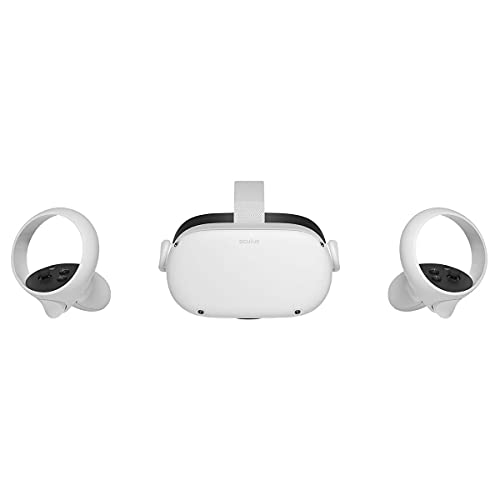
Augmented Reality Glasses
Augmented reality (AR) glasses collect data beyond just health and fitness. They track eye movement, environmental context, and sometimes biometric signals like pupil dilation.
These devices combine data collection with immersive experiences, enhancing both work and play. Have you considered how tracking your visual focus could improve your productivity or gaming performance?
Health And Fitness Data
Wearable technology collects various types of health and fitness data. This data helps users understand their bodies better. It also supports healthier habits and improved fitness levels. The devices track key metrics to provide insights on physical well-being.
Heart Rate Monitoring
Wearables measure heart rate continuously or during activities. This helps track heart health and fitness progress. Sudden changes or irregularities can signal health issues. Users can adjust workouts based on heart rate zones for better results.
Sleep Patterns
Wearables monitor sleep duration and quality. They detect light, deep, and REM sleep stages. This data reveals sleep problems like interruptions or poor rest. Users gain insight to improve sleep habits and overall health.
Activity And Movement Tracking
Devices track steps, distance, and active minutes. They record types of exercise and intensity levels. This helps users stay motivated and meet fitness goals. Movement data also supports better daily activity balance.
Calorie Consumption
Wearables estimate calories burned based on activity and heart rate. Some devices allow manual logging of food intake. This helps balance calories consumed and spent. Users manage weight and nutrition with accurate data.
Environmental Data
Wearable technology doesn’t just track your health metrics—it also captures important environmental data that surrounds you. Understanding this data can give you insights into how your surroundings impact your well-being and daily activities. Let’s look at some key types of environmental data wearables can collect and how you can use that information.
Gps And Location Tracking
GPS sensors in wearables provide real-time location data with impressive accuracy. This information helps you map your routes during outdoor activities like running, cycling, or hiking. Knowing exactly where you are can also be crucial for safety, especially if you’re exploring unfamiliar areas.
Have you ever wondered how your environment changes depending on where you spend your time? GPS data can reveal patterns, such as which areas have better air quality or more green spaces. This insight might encourage you to choose routes or locations that boost your mood and energy.
Temperature And Humidity Sensors
Some wearables include sensors that measure ambient temperature and humidity around you. This data helps you understand how weather conditions affect your comfort and performance. For example, high humidity can make exercise feel tougher, and knowing this can help you plan your workouts better.
Imagine you’re training for a marathon. Tracking temperature and humidity during your runs allows you to adjust your pace or hydration strategy accordingly. Over time, this information can improve your endurance and prevent heat-related issues.
Air Quality Monitoring
Wearable devices equipped with air quality sensors measure pollutants like carbon monoxide, nitrogen dioxide, and particulate matter. These readings alert you to potentially harmful environments before symptoms appear. If you notice poor air quality in your area, you can take steps like wearing a mask or avoiding outdoor activities.
Have you noticed how pollution levels vary during different times of the day or in different neighborhoods? Continuous air quality monitoring helps you identify safer places and times for outdoor exercise or relaxation. This data empowers you to protect your lungs and overall health effectively.
Biometric And Physiological Data
Wearable technology gathers many types of biometric and physiological data. This data helps track health and wellness in real time. Sensors embedded in devices collect vital signs and body metrics continuously. These insights assist users in understanding their physical condition better. The data also supports early detection of health issues and promotes healthier habits.
Blood Oxygen Levels
Blood oxygen levels show how well oxygen moves through the body. Wearables use light sensors to measure oxygen saturation in the blood. This data helps monitor respiratory health and physical endurance. It is useful for athletes and people with lung conditions. Tracking blood oxygen can reveal breathing problems early.
Electrocardiogram (ecg)
ECG measures the heart’s electrical activity. Wearable devices record heartbeats and rhythm patterns. This data helps detect irregular heartbeats or arrhythmias. Users can monitor heart health continuously without visiting a clinic. It provides vital information for cardiac care and prevention.
Stress And Emotional State
Wearables detect stress by analyzing heart rate variability. Changes in breathing and skin conductance also indicate emotional states. This data helps understand mental wellbeing and stress levels. Users can use insights to manage anxiety and relax better. Monitoring stress supports a balanced, healthier lifestyle.
Blood Pressure
Some wearables estimate blood pressure using optical sensors and pulse analysis. Tracking blood pressure helps manage hypertension and cardiovascular risks. Continuous monitoring offers more data than occasional checks. Users can observe trends and react quickly to changes. This data supports better heart health and prevention.
User Behavior And Interaction Data
Wearable technology collects various data about how users interact with their devices. This data helps understand user habits and preferences. It shows how people use apps, respond to alerts, and control devices. Tracking these details improves user experience and device functionality.
App Usage Patterns
Wearables track which apps users open and how long they use them. Data includes frequency of app visits and time spent per session. This helps identify favorite apps and usage trends. It also shows which features attract more attention.
Notification Responses
Devices record how users react to notifications. They track whether users dismiss, ignore, or open alerts. Timing of responses also matters. This data reveals which notifications are useful or annoying. It helps tailor alerts for better engagement.
Gesture And Voice Commands
Wearables detect gestures like swipes, taps, and shakes. They also log voice commands given to the device. This data shows preferred ways to control the device. Understanding these patterns improves voice and gesture recognition systems.
Data Security And Privacy
Wearable technology collects a lot of personal data. This raises big questions about data security and privacy. Users want to know how their data is protected. They also want control over what is shared. Companies must use strong security to keep data safe.
Data Encryption Methods
Encryption turns data into a secret code. Only authorized users can read it. Wearables use encryption during data transfer and storage. Common methods include:
- Advanced Encryption Standard (AES)
- Secure Socket Layer (SSL) and Transport Layer Security (TLS)
- End-to-end encryption
These methods protect data from hackers and unauthorized access.
User Consent And Control
Users must give clear permission before data collection. Apps should explain what data they collect and why. Users need tools to:
- Choose what data to share
- Delete their data
- Pause or stop data tracking
Giving users control builds trust and protects privacy rights.
Risks Of Data Breaches
Data breaches expose sensitive personal information. Hackers can steal health, location, and identity data. Risks include:
- Identity theft
- Financial loss
- Privacy invasion
Wearable makers must act quickly to fix breaches. Strong security and regular updates reduce these risks.
Future Trends In Wearable Data Collection
Wearable technology is evolving fast. The future of data collection promises richer and more precise information. Devices will gather deeper insights into our health and habits. This progress will improve personal care and wellness management.
Advanced Sensor Integration
Wearables will use more sensors in smaller spaces. These sensors will track body temperature, hydration, and stress levels. New materials will make sensors more flexible and durable. This will allow constant monitoring without discomfort.
Ai And Predictive Analytics
Artificial intelligence will analyze data in real time. It will predict health issues before symptoms appear. AI will spot patterns in daily activities and suggest changes. This helps users avoid problems and maintain better health.
Personalized Health Insights
Wearables will tailor advice based on individual data. They will learn user habits and preferences. Suggestions will fit specific health goals and lifestyles. This personalization makes health tracking more effective and user-friendly.
Frequently Asked Questions
What Types Of Data Do Wearables Collect?
Wearable technology collects data like heart rate, steps, sleep patterns, and calories burned. Some devices track blood oxygen and GPS location. This data helps monitor health, fitness, and daily activities accurately.
How Is Health Data From Wearables Used?
Health data from wearables helps users track fitness goals, detect irregularities, and improve lifestyle choices. Medical professionals may also use this data for remote monitoring and personalized care.
Can Wearables Monitor Sleep Quality Effectively?
Yes, wearables track sleep stages, duration, and interruptions. This data provides insights into sleep quality and helps users improve their rest patterns.
Do Wearable Devices Collect Location Data?
Many wearables use GPS to track location during activities like running or cycling. Location data helps analyze performance and map exercise routes.
Conclusion
Wearable technology collects many types of useful data every day. It tracks steps, heart rate, sleep patterns, and more. This data helps people understand their health better. It also supports doctors in giving better care. Privacy is important when sharing personal information.
Choosing trusted devices keeps data safe. Wearables offer a clear view of your daily habits. They can guide you to make healthier choices. Small changes add up to big results over time. Wearable data keeps growing in value and use.