What is Electronic Home Monitoring: Ultimate Guide to Benefits & Uses
Have you ever wondered how technology is reshaping the way we serve justice? Imagine being able to keep an eye on someone without needing a prison cell.
That’s where Electronic Home Monitoring (EHM) steps in. It’s a game-changer, offering a balance between freedom and accountability. If you’ve ever felt curious about how modern systems can offer safe alternatives to incarceration, or if you’re interested in the future of criminal justice, this is for you.
Dive in, and discover how EHM could change the landscape of law enforcement and what it might mean for you and your community. You won’t want to miss how this innovation could affect the world around you.
What Electronic Home Monitoring Involves
Electronic Home Monitoring (EHM) is a system that tracks individuals remotely. It helps authorities monitor behavior outside traditional settings. This technology keeps people safe and ensures compliance with legal or health conditions.
Understanding what electronic home monitoring involves reveals how it supports supervision. The system combines hardware and software to provide real-time data. This data guides decisions and actions by responsible parties.
Core Components
- Monitoring Device:Usually a wrist or ankle bracelet worn by the individual.
- Communication Module:Sends signals between the device and the monitoring center.
- Central Monitoring System:Collects and analyzes data from devices continuously.
- Geofencing Technology:Sets virtual boundaries to track movement and location.
- Alert System:Notifies authorities if rules are broken or tampering is detected.
How It Works
The individual wears the monitoring device at all times. The device tracks location and movements 24/7. It communicates data to the central system via cellular or satellite networks.
The system compares location data with preset rules. If the person leaves a defined area, an alert is sent. Authorities receive instant notifications to act quickly.
Continuous monitoring ensures compliance with court orders or health protocols. The technology helps reduce the need for physical supervision. It allows individuals to stay in their homes while being tracked.
Credit: brinkshome.com
Key Benefits
Electronic Home Monitoring offers several key benefits that can make a real difference in how you protect and manage your home. These advantages go beyond just keeping an eye on things—they provide peace of mind, save you money, and give you control no matter where you are.
Enhanced Security
Electronic Home Monitoring systems offer real-time alerts that notify you instantly if something unusual happens. This means you can act quickly, whether it’s a break-in or a fire. The presence of cameras and sensors alone can deter potential intruders, making your home a less attractive target.
Imagine being able to check your doors and windows from your phone before going to bed. It’s like having a security guard watching over your house 24/7 without the extra cost.
Cost Savings
Many people assume high-quality security is expensive, but electronic monitoring can actually reduce costs. You save money on traditional security guards and expensive alarm response fees. Plus, some insurance companies offer discounts when you install these systems.
Think about how much you spend on unnecessary energy or damage repairs. Monitoring systems can alert you to water leaks or open windows, helping you avoid costly bills.
Remote Accessibility
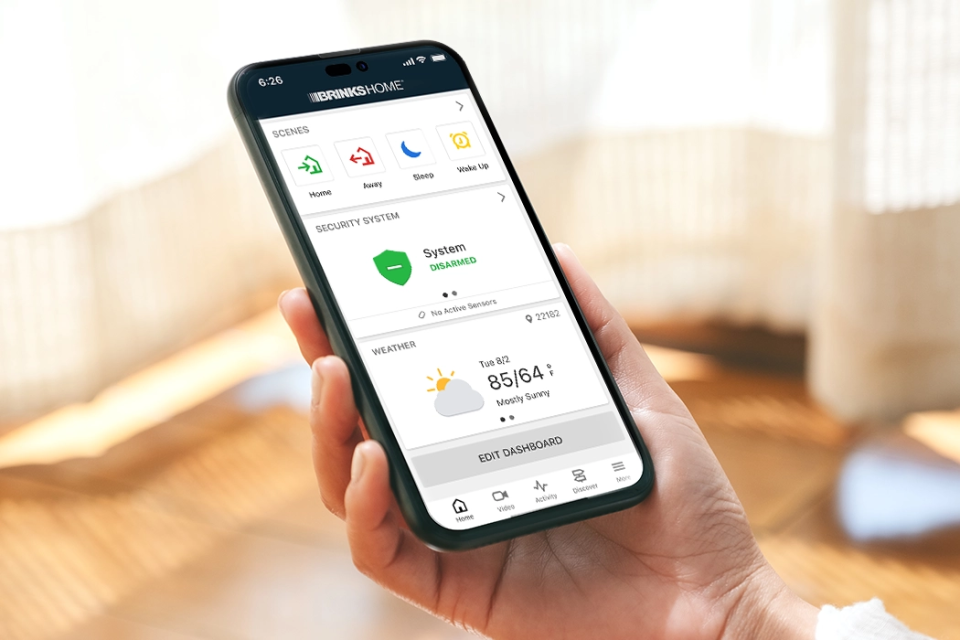
One of the most practical benefits is the ability to monitor your home from anywhere. Whether you’re at work, on vacation, or just out running errands, you can check your home’s status using a smartphone app.
Have you ever worried about leaving your kids or pets alone? Remote access lets you check in anytime, giving you reassurance and control without having to be physically present.
Common Applications
Electronic home monitoring covers a wide range of uses that make everyday life safer, healthier, and more efficient. Its applications touch many parts of your home, helping you stay connected and in control. Understanding these common uses can help you decide what fits best in your own space.
Home Security Systems
Security is the most popular use of electronic home monitoring. Cameras, motion detectors, and door sensors keep an eye on your property 24/7. You can receive instant alerts on your phone if something unusual happens, even when you’re far away.
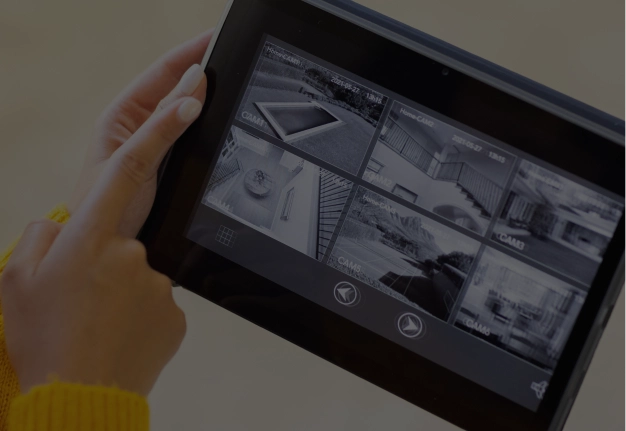
Many systems let you view live video feeds and communicate with visitors remotely. This real-time access gives you peace of mind and control over who enters your home. Have you ever thought about how much safer you’d feel knowing you can check your home from anywhere?
Health Monitoring
Health monitoring devices track vital signs and daily activities right inside your home. These tools can remind you to take medication or alert family members if something seems wrong. For seniors or those with health issues, this can be a lifesaver.
Wearables and smart sensors collect data on heart rate, sleep patterns, and movement. You don’t need to visit a clinic as often because your health information is monitored continuously. How valuable would it be to catch potential health problems early without leaving your house?
Energy Management
Electronic home monitoring also helps you control your energy use. Smart thermostats, lighting controls, and appliance monitors track how much energy you consume. They can suggest or automatically make adjustments to save money and reduce waste.
For example, a smart thermostat learns your schedule and adjusts heating or cooling accordingly. This means you’re not paying to heat an empty house. Could managing your energy smarter be the key to lowering your bills and shrinking your carbon footprint?

Credit: www.achrnews.com
Choosing The Right System
Choosing the right electronic home monitoring system can make a big difference in how secure and connected you feel in your own space. It’s not just about picking the most expensive or popular option. You need a system that fits your lifestyle, your home’s layout, and your technical comfort level.
Important Features
Start by listing what matters most to you. Do you want motion sensors, video cameras, or door/window alerts? Some systems offer two-way audio, letting you speak through the device, which is great for checking on pets or kids remotely.
Battery life and backup power are also crucial. Imagine a power outage—will your system keep working? Look for features like night vision and cloud storage for video clips so you can access footage anytime.
Installation Options
Do you prefer a system you can install yourself, or would you rather hire a professional? DIY kits have become user-friendly, often requiring just a few tools and clear instructions. This can save you money and give you control over setup.
On the other hand, professional installation ensures everything is placed optimally and connected properly. If your home has tricky layouts or you want integrated systems like smart locks and alarms, professional help might be worth the investment.
Compatibility Considerations
Check if the system works with your existing devices. Many electronic home monitors now connect to smart home platforms like Alexa, Google Home, or Apple HomeKit. This lets you control everything from one app, which is incredibly convenient.
Also, consider your internet speed and Wi-Fi coverage. A monitoring system that constantly buffers or loses connection defeats its purpose. Would upgrading your router or adding Wi-Fi extenders improve your system’s reliability?
Potential Challenges
Electronic Home Monitoring offers many benefits, but it also comes with its share of challenges. Understanding these potential pitfalls can help you make informed decisions about using such systems in your home. Let’s look at some of the key concerns you should consider before adopting this technology.
Privacy Concerns
One of the biggest worries with electronic home monitoring is privacy. These systems often collect sensitive data about your daily routines and habits. You might ask yourself, who has access to this information, and how securely is it stored?
Think about a situation where you want to monitor an elderly family member for safety. While it provides peace of mind, constant surveillance can feel intrusive to them. It’s important to balance safety with respect for personal space.
Also, consider the risk of data breaches. Hackers could potentially gain access to your home system, leading to unwanted exposure of your private life. Are you comfortable with the company’s privacy policies and the security measures they use?
Technical Issues
Technical problems can disrupt the effectiveness of electronic home monitoring. Devices may experience glitches, connectivity drops, or even total failures at critical moments. How would you handle a situation where the system suddenly stops working?
Sometimes, software updates can cause unexpected issues or change how the system operates, confusing users. If you’re not tech-savvy, troubleshooting these problems could become frustrating and time-consuming.
Moreover, compatibility between different devices or brands can be a headache. You might need to invest extra time and money to ensure all components work seamlessly together. Have you thought about who will maintain and support your system when technical difficulties arise?
Future Trends
The future of electronic home monitoring is shaping up to be more connected and intelligent than ever before. As technology evolves, these systems are becoming an integral part of everyday living, offering not just security but convenience and peace of mind. Let’s take a closer look at some of the most exciting trends that could soon change how you watch over your home.
Integration With Smart Homes
Your home is already getting smarter with devices that control lighting, temperature, and entertainment. Electronic home monitoring is now joining this smart ecosystem, allowing you to manage security alongside other home functions from a single app.
Imagine receiving alerts about unusual activity and adjusting your thermostat or locking doors without switching between different apps. This seamless integration can save time and reduce stress, especially when you’re juggling a busy schedule.
How would it feel to have your security system communicate with your smart lights and cameras automatically? This could mean lights turning on when motion is detected or cameras focusing on specific areas, enhancing your home’s safety without extra effort.
Advances In Ai And Automation
Artificial intelligence is making electronic home monitoring smarter by learning your habits and identifying real threats more accurately. This means fewer false alarms and more precise responses when something unusual happens.
Automation allows systems to react instantly—locking doors, sounding alarms, or notifying emergency contacts without waiting for you to intervene. This rapid response can make a real difference during critical moments.
Consider a system that recognizes your family members and differentiates them from strangers. It could alert you only when necessary, giving you confidence without constant interruptions. What would you do with the extra time and peace of mind that comes from such intelligent monitoring?
Credit: homealarmsystem.ca
Frequently Asked Questions
What Is Electronic Home Monitoring Used For?
Electronic home monitoring tracks individuals’ location and activities remotely. It is used in criminal justice to ensure compliance with court orders. This technology helps reduce incarceration costs and promotes rehabilitation while maintaining public safety.
How Does Electronic Home Monitoring Work?
Electronic home monitoring uses GPS or radio frequency devices worn by individuals. These devices transmit real-time location data to authorities. Alerts are sent if the individual leaves approved areas or tampers with the device.
Who Benefits From Electronic Home Monitoring?
Offenders, courts, and communities benefit from electronic home monitoring. Offenders avoid jail time while being supervised. Courts manage cases efficiently, and communities gain improved safety with monitored individuals.
Is Electronic Home Monitoring Effective In Reducing Crime?
Yes, electronic home monitoring helps reduce recidivism by encouraging compliance. It supports offender rehabilitation and deters violations. However, effectiveness depends on program management and individual circumstances.
Conclusion
Electronic Home Monitoring helps keep track of people from a distance. It uses simple tools like GPS or cameras. This method improves safety without needing constant supervision. Many find it useful for courts and families. It offers a balance between freedom and control.
Understanding how it works can ease concerns. It shows technology can support care and security. Electronic Home Monitoring is a practical, modern solution.