What is Product Master Maintenance System: A Comprehensive Guide
Have you ever wondered how companies keep their product information accurate and up-to-date across all their systems? The answer lies in a Product Master Maintenance System.
This powerful tool helps you organize, manage, and control your product data in one place, saving you time and preventing costly errors. If you want to streamline your product management and boost efficiency, understanding this system is a must. Keep reading to discover what a Product Master Maintenance System is and how it can transform the way you handle your products.
Credit: www.sertica.com
Product Master Maintenance System Basics
The Product Master Maintenance System is essential for managing product data efficiently. It helps companies keep product information accurate and up to date. This system supports smooth operations in supply chain, sales, and inventory management. Understanding its basics is key to using it effectively.
Core Features
- Centralized product data storage
- Easy data updates and edits
- Data validation to ensure accuracy
- Support for multiple product categories
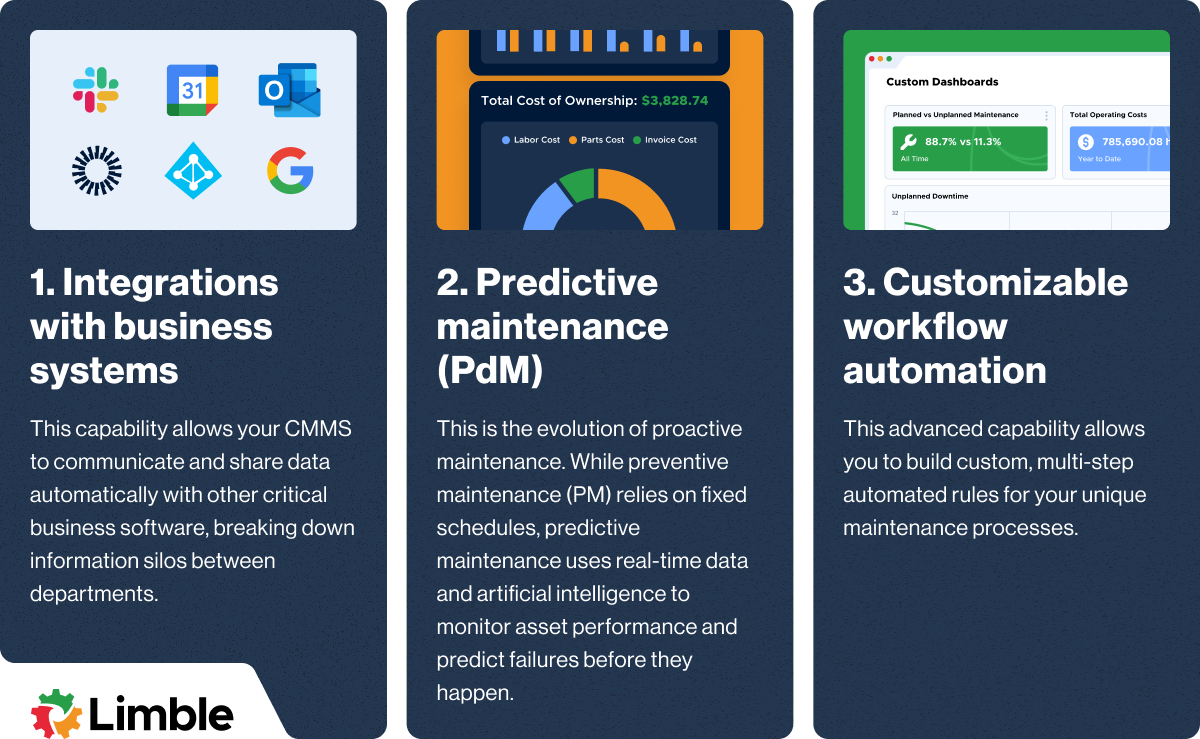
- Integration with other business systems
- Audit trails for tracking changes
Key Components
- Product Information Management (PIM) module
- Data validation and quality control tools
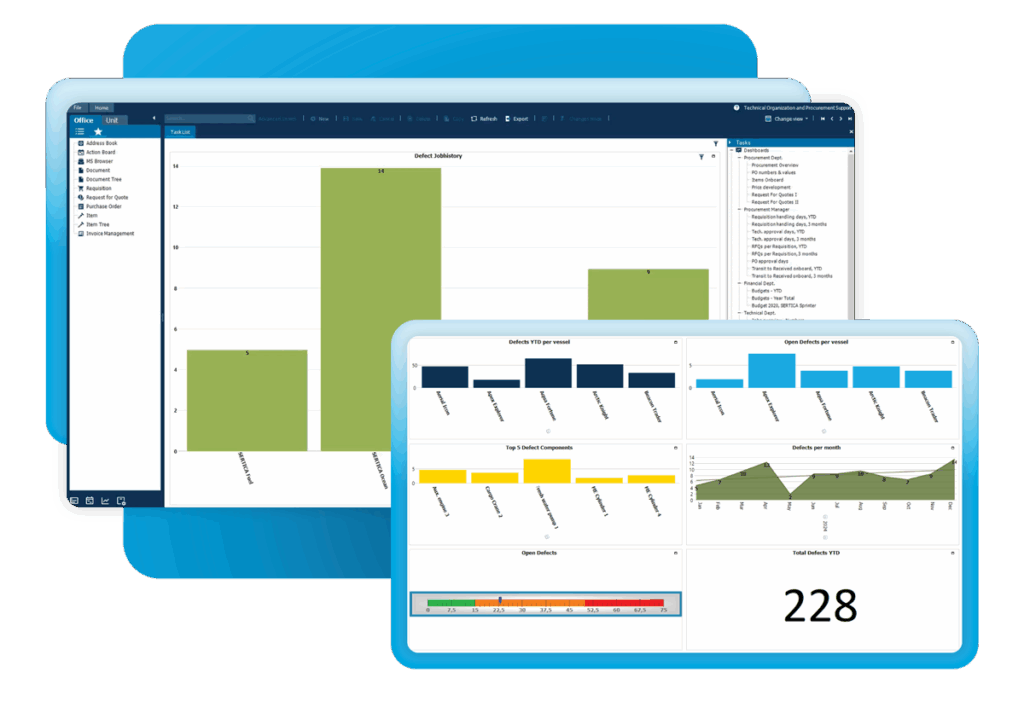
- User interface for data entry and updates
- Reporting and analytics features
- Access control and user permissions
- Integration APIs for external systems
Credit: limblecmms.com
Benefits For Businesses
Product Master Maintenance System offers many benefits for businesses. It helps organize and manage product information in one place. This system improves how companies handle data and run their operations. It supports better decision-making and smoother workflows.
Data Accuracy
The system ensures product information is correct and consistent. It reduces errors caused by manual entry or outdated data. Accurate data improves customer trust and reduces returns or complaints. Businesses can rely on the system for real-time updates.
Efficiency Improvement
Workflows become faster with automated processes. Teams save time by accessing all product details in one platform. Less manual work means employees can focus on important tasks. The system also supports easy collaboration across departments.
Cost Reduction
Maintaining accurate product data lowers operational costs. It minimizes errors that lead to waste or rework. Businesses spend less on fixing mistakes or updating incorrect information. This system helps control expenses related to product management.
Implementation Process
The implementation process of a Product Master Maintenance System is key to its success. It requires clear planning, smooth integration, and managing common challenges. This ensures the system works well and supports business goals. Careful steps create a strong foundation for product data management.
Planning Steps
Start with identifying business needs and goals for the system.
Gather product data sources and check their quality.
Define roles and responsibilities for the team.
Create a timeline with milestones for each phase.
Plan training sessions to prepare users for the new system.
Integration Tips
- Ensure compatibility with existing software tools.
- Use standard data formats to simplify data exchange.
- Test integration in a controlled environment before full launch.
- Automate data synchronization to reduce manual work.
- Keep communication open between IT and business teams.
Common Challenges
- Data inconsistency from multiple sources.
- Resistance from staff due to change.
- Technical issues during system setup.
- Delays in data migration and testing.
- Insufficient training leading to user errors.
Best Practices
Maintaining a Product Master Maintenance System effectively requires more than just setting it up once. You need to keep it reliable, accurate, and secure over time. Adopting best practices ensures your system serves your business well and avoids costly mistakes.
Regular Updates
Keeping your product data current is essential. Outdated information can lead to wrong orders, unhappy customers, and lost sales. Schedule routine checks to update product details, prices, and stock levels.
Consider setting reminders for monthly reviews or syncing your system with suppliers’ databases automatically. This saves time and prevents errors. Think about the last time you encountered a product with wrong specs—how could regular updates have helped?
User Training
Your system is only as good as the people using it. Provide clear, simple training to your team so they understand how to enter and manage product data correctly. Avoid overwhelming them with jargon or complex procedures.
Regular refresher sessions keep skills sharp and reduce mistakes. Encourage feedback from users about any difficulties they face. This approach not only improves accuracy but also boosts confidence and efficiency.
Data Security
Protecting your product data is non-negotiable. Unauthorized access or data loss can cripple your operations. Use strong passwords, limit access to essential personnel, and back up your data regularly.
Implementing encryption and monitoring system activity adds extra layers of protection. Ask yourself: what would happen if your product data was compromised? Taking security seriously prevents costly disruptions and builds trust with your customers.
Choosing The Right System
Choosing the right product master maintenance system is essential for smooth operations. The right system helps manage product data clearly and efficiently. It should match your business needs and grow with your company. Careful consideration saves time and reduces errors in product management.
Evaluation Criteria
Start by checking system features that fit your workflow. Look for easy data import and export options. The system must support multiple product categories and attributes. It should allow quick updates and real-time synchronization.
Consider user-friendliness to reduce training time for staff. Security features are important to protect sensitive product information. Check if the system integrates with your current software. Also, assess the vendor’s customer support and update frequency.
Budget plays a role; choose a system with clear pricing and no hidden fees. Scalability matters if your product range will increase. Finally, read reviews and ask for demos to test system performance.
Top Providers
Several providers offer reliable product master maintenance systems. Some focus on ease of use, while others offer advanced customization. Popular choices include platforms with strong integration capabilities and good support.
- Provider A: Known for simple interface and quick setup.
- Provider B: Offers extensive customization and automation features.
- Provider C: Great for mid-size businesses with scalable options.
- Provider D: Strong in security and compliance standards.
Compare these providers based on your evaluation criteria. Choose the one that fits your product management goals best.
Credit: medium.com
Future Trends
The future of Product Master Maintenance Systems holds exciting changes. These systems will evolve to handle data more smartly and securely. Businesses will manage product information faster and with fewer errors. New technologies will shape how these systems operate and improve business workflows.
Ai And Automation
Artificial intelligence will help clean and organize product data automatically. It can spot errors and suggest corrections quickly. Automation will reduce manual work and speed up data updates. AI will also predict product trends and help with inventory planning. This saves time and lowers costs for businesses.
Cloud Solutions
Cloud-based Product Master Maintenance Systems allow easy access from anywhere. They offer flexible storage that grows with business needs. Cloud solutions improve collaboration across teams and locations. They provide real-time updates to keep product information accurate. Security features in the cloud will protect sensitive data better than before.
Frequently Asked Questions
What Is A Product Master Maintenance System?
A Product Master Maintenance System is software that manages and updates product information. It ensures data accuracy and consistency across platforms. This system streamlines product data handling, reducing errors and improving operational efficiency.
Why Is Product Master Maintenance Important?
It centralizes product data, making updates easier and faster. This importance lies in maintaining accurate product details for sales, inventory, and customer satisfaction. It helps businesses avoid inconsistencies and operational delays.
How Does Product Master Maintenance Improve Data Accuracy?
It standardizes product information and automates updates. The system reduces manual errors by syncing data across departments. This leads to reliable, up-to-date product details for all users.
Who Uses Product Master Maintenance Systems?
Manufacturers, retailers, and distributors use these systems. They rely on it to manage large volumes of product data efficiently. It supports supply chain management and sales operations.
Conclusion
A Product Master Maintenance System keeps product data organized and accurate. It helps teams work together and avoid mistakes. This system saves time by making updates easy and quick. Businesses can trust their product information across all channels. Clear data means better decisions and happier customers.
Using this system supports smooth operations and growth. It is a key tool for managing product details effectively. Simple, reliable, and efficient—exactly what companies need.