Does the Nsa Regulate Smart Devices: Unveiling the Truth Today
Are your smart devices being watched? It’s a question that might have crossed your mind as you tap away on your smartphone or speak to your voice assistant.
With the rise of smart technology in our homes and lives, understanding who regulates these devices becomes crucial for your privacy and security. One name that often comes up in discussions about surveillance is the NSA, the National Security Agency.
But does the NSA really regulate your smart devices? We’ll dive into the relationship between the NSA and your gadgets, shedding light on what you need to know to keep your personal data safe. Stay with us to uncover the truths and myths surrounding this topic, and learn how it impacts you directly.
Nsa’s Role In Smart Devices
The NSA’s involvement with smart devices sparks many questions about privacy and control. Understanding its role helps you grasp how much influence this agency truly has over the gadgets you use daily. Let’s break down the NSA’s place in the world of smart technology.
Historical Context
The NSA was established during World War II to intercept and analyze communications. Over time, its focus expanded to include digital data and electronic surveillance.
With the rise of smart devices, the NSA gained new opportunities to collect information. However, its activities have always been tied to national security rather than consumer regulation.
Legal Authority
The NSA operates under strict laws like the Foreign Intelligence Surveillance Act (FISA). These laws grant the agency power to monitor foreign communications but limit domestic data collection.
Importantly, the NSA does not have direct authority to regulate the design or functionality of smart devices. Instead, its role is primarily about intelligence gathering within legal boundaries.
Scope Of Influence
The NSA’s influence over smart devices is indirect. It may request data from companies or exploit security vulnerabilities, but it does not set industry standards or safety rules.
You might wonder if your smart thermostat or fitness tracker is monitored. While the NSA can access data under certain conditions, most device regulation falls under other government bodies like the FCC or FTC.
Knowing this distinction helps you stay informed about who protects your privacy and who might access your data.

Credit: www.unmannedsystemstechnology.com
Smart Device Security Standards
Smart device security standards set the rules for protecting connected gadgets. These standards help keep user data safe. They guide manufacturers and users to maintain strong device security. Understanding these standards helps users make informed choices. Different groups create and enforce these standards.
Industry Regulations
Many industries have rules for smart device security. These rules focus on data privacy and device safety. Companies must follow these rules to sell products legally. Regulations often cover encryption, software updates, and access control. They help prevent hacking and unauthorized data use.
Government Guidelines
Governments issue guidelines for smart device security. These guidelines recommend best practices for manufacturers and users. They aim to reduce risks from cyber attacks. Guidelines encourage secure design and regular updates. Governments may also require security audits and certifications.
Nsa Involvement
The NSA mainly focuses on national security, not direct smart device regulation. It provides advice and tools to improve cybersecurity. The agency shares threat information with other government bodies. NSA works to protect critical infrastructure from cyber threats. It influences security standards indirectly through research and partnerships.
Surveillance And Privacy Concerns
Smart devices have become a staple in many homes, offering convenience and connectivity. But with these benefits come serious concerns about surveillance and privacy. Understanding how your data is collected and potentially monitored can help you make smarter choices about the devices you bring into your life.
Data Collection Practices
Smart devices collect a vast amount of personal information daily. This includes your voice commands, location, habits, and even biometric data like fingerprints or facial recognition.
Many devices share this data with third parties, often without explicit consent. You might be surprised to learn how much of your private life is captured just by using a smart speaker or wearable.
Ask yourself: Are you fully aware of what data your devices gather? And do you have control over how it’s used?
Nsa’s Surveillance Programs
The National Security Agency (NSA) has been known to engage in extensive surveillance activities. Some of these efforts reportedly include monitoring smart devices under certain programs aimed at national security.
Documents leaked in the past revealed that the NSA can access data streams from various internet-connected gadgets. This raises alarms about the boundary between security and privacy invasion.
You might wonder how often your smart device’s data is accessed by government agencies, and under what circumstances. Transparency on this issue remains limited.
Impact On Consumer Privacy
The combination of data collection and potential government surveillance deeply affects your privacy. Even if your data isn’t targeted specifically, mass data collection can expose your habits and preferences to unintended parties.
Privacy breaches can lead to identity theft, unwanted marketing, or worse—unjustified suspicion by authorities. It’s crucial to evaluate the privacy policies of your devices and adjust settings to limit data sharing.
What steps will you take to protect your privacy in a world where smart devices are listening more than you realize?
Collaboration With Manufacturers
The collaboration between the NSA and smart device manufacturers plays a key role in shaping device security. This partnership aims to improve the safety of smart devices used by millions worldwide. The NSA shares insights and resources to help manufacturers build stronger protections against cyber threats.
Working together, both parties focus on creating standards and protocols that make smart devices more secure. They exchange information on vulnerabilities and provide guidance on best practices for encryption and data protection. This collaboration supports the development of safer technology for users.
Partnerships And Agreements
The NSA forms partnerships with various smart device companies. These agreements often involve sharing threat intelligence and technical advice. The goal is to help manufacturers understand and counter potential cyberattacks.
Some partnerships include joint research projects or pilot programs. These efforts test new security features before wide release. The NSA also offers training to help manufacturers improve their security teams’ skills.
Security Enhancements
Through collaboration, smart devices receive regular security updates. The NSA helps identify weaknesses in device software and hardware. This allows manufacturers to fix issues faster and reduce risks for users.
The agency also promotes stronger encryption standards. This protects user data from interception or misuse. These security improvements aim to build trust in smart technology across the market.
Controversies And Criticisms
Some people worry about the NSA’s involvement with smart devices. Critics fear it could lead to privacy violations or unauthorized data access. Concerns exist about surveillance and government overreach.
Others question the transparency of these partnerships. The lack of public details raises doubts about how data is handled. These controversies fuel debates over the balance between security and privacy.
Public Perception And Misinformation
Public perception of the NSA’s role in smart device regulation is often clouded by confusion and false information. Many people believe the agency controls or monitors these devices directly, leading to mistrust and fear. This section sheds light on common myths, the role of media, and the actual facts about the NSA and smart devices.
Common Myths
- The NSA directly regulates all smart devices.
- The agency listens to every conversation through smart speakers.
- Smart devices have built-in NSA backdoors for spying.
- The NSA owns data collected by private companies from smart devices.
These myths spread easily and cause unnecessary worry. Most claims lack solid evidence or misunderstand the agency’s real functions.
Media Influence
Media coverage often exaggerates NSA activities involving smart devices. Sensational headlines grab attention but blur facts. Movies and TV shows add to the confusion by showing unrealistic spy scenarios.
News stories sometimes fail to explain the difference between intelligence gathering and device regulation. This gap fuels public mistrust and misinformation.
Clarifying Facts
- The NSA focuses on national security and foreign intelligence.
- The agency does not regulate consumer smart devices.
- Smart device regulations come from other government bodies, like the FCC or FTC.
- Private companies manage most data collection and security measures.
- Users control device permissions and data sharing settings.
Understanding these facts helps reduce fear and promotes informed discussions about privacy and technology.
Credit: medium.com
Future Of Nsa And Smart Devices
The relationship between the NSA and smart devices is evolving rapidly. As smart technologies become more embedded in our daily lives, the NSA’s role in regulation and oversight is shifting too. Understanding what lies ahead can help you better navigate the balance between security and privacy in your connected world.
Emerging Technologies
Smart devices are becoming more sophisticated with AI integration, edge computing, and 5G connectivity. These advancements create new challenges for security agencies like the NSA, which must adapt quickly to monitor threats without stifling innovation.
Imagine your smart home adapting seamlessly to your habits while still being protected against cyberattacks. The NSA’s future role might involve developing tools that enhance device security proactively, rather than just reacting to breaches.
Policy Developments
Government policies are catching up with technology, but often lag behind the pace of innovation. The NSA’s influence on smart device regulation will depend on new laws that define clear boundaries for surveillance and data protection.
Think about how data privacy laws like GDPR changed how companies handle your information. Similar policies in the US could shape how the NSA interacts with smart devices, ensuring your rights are respected while national security is maintained.
Balancing Security And Privacy
Finding the right balance between security and privacy is a constant struggle. The NSA’s future approach must protect you from cyber threats without invading your personal space.
Ask yourself: How much access to your smart devices is acceptable for security purposes? Your answer will influence the ongoing debate about government oversight and personal freedom in the smart device era.

Credit: www.foxnews.com
Frequently Asked Questions
Does The Nsa Control Smart Device Regulations?
No, the NSA does not regulate smart devices. Regulation is primarily handled by agencies like the FCC and FTC, focusing on consumer safety and privacy.
Who Regulates Security Standards For Smart Devices?
Security standards for smart devices are set by organizations like NIST and industry groups, not the NSA. These standards ensure device safety and data protection.
Can The Nsa Access Data From Smart Devices?
The NSA may collect data under legal authority, but it does not regulate or control smart devices. Privacy laws govern data access and use.
Are Smart Devices Required To Follow Nsa Guidelines?
Smart devices are not required to follow NSA guidelines. Manufacturers must comply with federal regulations and industry security standards instead.
Conclusion
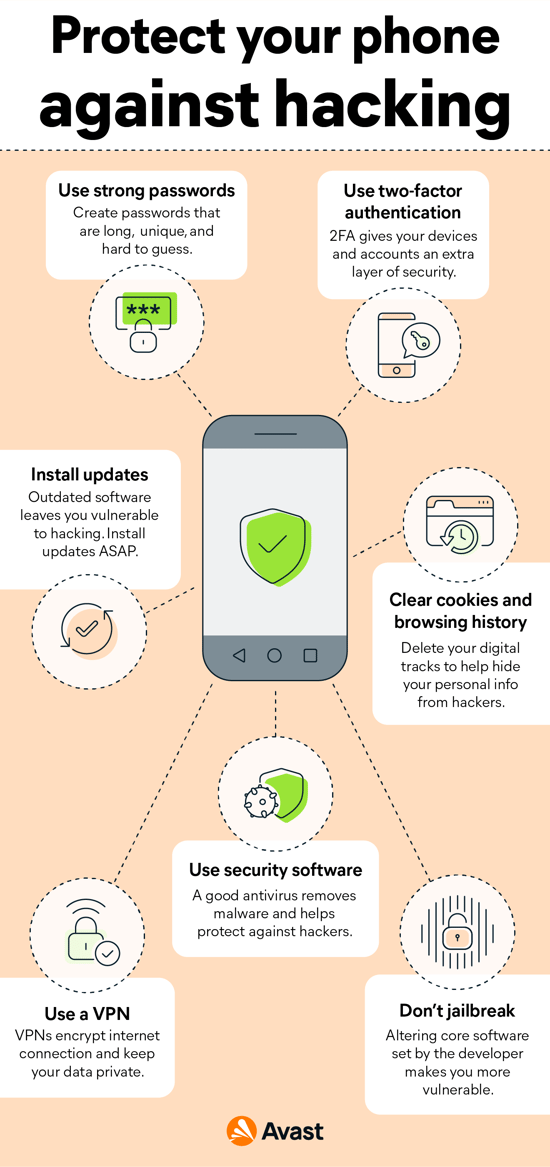
The NSA does not directly control smart devices. Privacy and security depend on device makers and users. Governments set some rules, but no single agency oversees all smart gadgets. Stay aware of risks and protect your data carefully. Choosing strong passwords helps keep devices safe.
Regular updates also improve security. Smart devices bring many benefits, but caution is important. Understanding who regulates them helps you stay informed and secure. Keep learning about technology and privacy to make smart choices.