Is Electronics a Hobby: Unlock Creativity and Fun Today
Ever find yourself tinkering with gadgets, lost in the excitement of making something work? If you’ve ever wondered whether electronics could be more than just a passing interest, you’re not alone.
Maybe you’ve spent hours piecing together circuits or fixing a broken device, and felt a rush of satisfaction. But is this just a pastime, or could it be something more fulfilling? Imagine turning your curiosity into a rewarding hobby that not only challenges your mind but also sparks creativity.
We’ll explore why electronics might just be the perfect hobby for you, offering a blend of fun, learning, and even a touch of magic. Ready to dive in and discover what makes electronics so captivating? Keep reading.
Electronics As A Hobby
Electronics as a hobby offers a hands-on way to explore how devices work. It sparks curiosity and creativity in many people. Building circuits and gadgets brings satisfaction and practical skills. This hobby fits anyone curious about technology and DIY projects.
Why Electronics Attracts Hobbyists
Electronics hobbyists enjoy solving problems and making things work. It provides a chance to learn about technology in a fun way. Many find it relaxing to tinker with circuits and devices. The hobby is affordable and accessible with many online resources. It also helps develop skills useful for many careers.
Common Electronic Projects
- Simple LED flashlights or night lights
- Basic radios and audio amplifiers
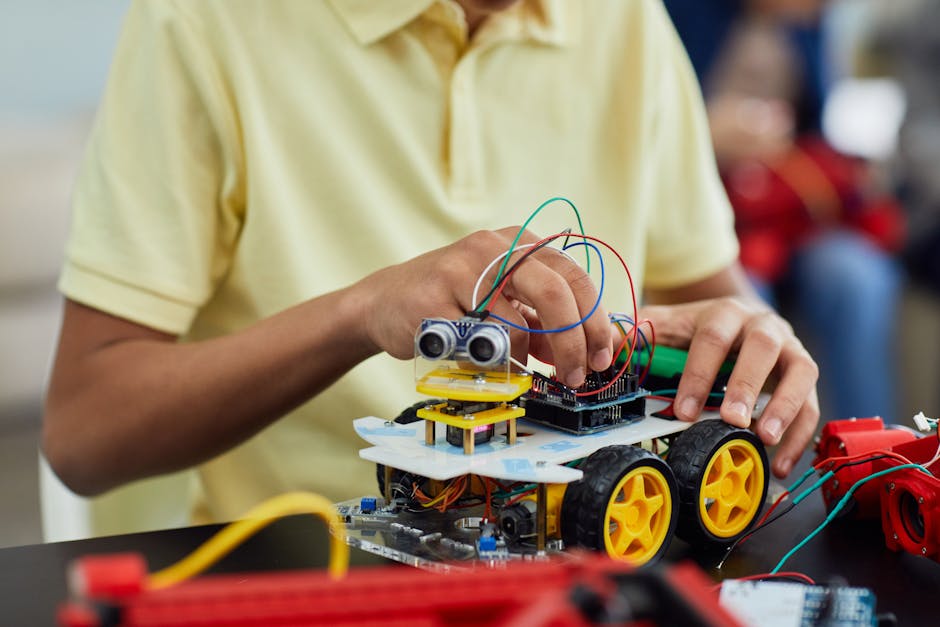
- Robots and small remote-controlled vehicles
- Home automation gadgets like smart switches
- Electronic clocks and timers
These projects vary in difficulty, so beginners and experts find suitable challenges. Each project teaches new concepts and techniques.
Essential Tools And Components
| Tools | Components |
|---|---|
| Soldering iron and solder | Resistors and capacitors |
| Multimeter | LEDs and transistors |
| Wire cutters and strippers | Microcontrollers like Arduino |
| Breadboard for prototyping | Switches and sensors |
These basics help hobbyists build and test circuits. Most tools and parts are affordable and easy to find.
Creative Benefits
Electronics as a hobby offers more than just technical knowledge. It opens doors to creativity and unique ways of thinking. Engaging with electronics challenges your mind to think beyond the ordinary, sparking new ideas and innovative solutions.
Boosting Problem-solving Skills
Every electronic project involves troubleshooting. When a circuit doesn’t work, you need to find the fault and fix it. This process sharpens your ability to analyze problems logically and persistently.
Imagine trying to build a simple light sensor that activates a fan. If it doesn’t work right away, you test components one by one. This hands-on problem solving helps you develop patience and critical thinking that you can apply in other areas of life.
Enhancing Innovation And Design
Electronics lets you turn ideas into tangible devices. You learn how to design circuits that perform specific functions, which teaches you about innovation in a practical way.
Working on unique projects, like creating a custom alarm system or a smart garden monitor, pushes you to think creatively. You constantly experiment with new designs, improving your ability to innovate within constraints.
Combining Electronics With Art
Electronics doesn’t have to be purely technical. You can mix it with art to create interactive sculptures, light installations, or wearable tech. This blend makes your projects visually appealing and engaging.
Have you ever seen a painting that lights up or moves? That’s electronics meeting art. This combination challenges you to consider aesthetics alongside functionality, adding another layer of creativity to your hobby.
Learning And Growth
Electronics as a hobby offers a great chance for learning and personal growth. It helps develop skills useful in many fields. Beginners and experts both find new challenges to solve. This hobby encourages curiosity and problem-solving abilities.
Building Technical Knowledge
Electronics teaches basic concepts like circuits, voltage, and current. Understanding these ideas builds a strong foundation. You learn how devices work and how to fix them. This knowledge grows with each project you complete. It makes complex topics easier over time.
Hands-on Experimentation
Working with real components boosts your learning. You connect wires, test circuits, and see results immediately. This practical approach helps remember concepts better. Mistakes become lessons that improve your skills. Experimenting creates a direct link between theory and practice.
Accessing Online Resources And Communities
The internet offers many guides, videos, and forums. These resources help solve problems quickly. Communities share advice, ideas, and project inspiration. Joining groups connects you with others who share your interest. This support makes learning faster and more fun.
Fun And Enjoyment
Electronics as a hobby offers a unique blend of fun and learning. It engages both the mind and hands. Each project brings a sense of discovery and excitement. The joy comes not only from the end product but from the entire process. Exploring circuits, solving problems, and seeing ideas come to life create great satisfaction.
Satisfaction Of Building Projects
Building electronic projects gives a strong feeling of achievement. Starting with simple components and ending with a working device feels rewarding. Troubleshooting challenges teaches patience and sharpens skills. Watching your creation perform as expected brings pride. This hands-on experience makes learning enjoyable and memorable.
Collaborative Electronics Activities
Sharing electronics as a hobby encourages teamwork and social interaction. Group projects stimulate creativity and idea exchange. Helping others solve circuit problems builds confidence and friendships. Workshops and clubs provide chances to learn from peers. Working together makes the hobby more fun and less lonely.
Showcasing Your Creations
Displaying your electronic projects boosts motivation and pride. Sharing photos or videos online connects you with other enthusiasts. Participating in fairs or contests highlights your skills. Positive feedback inspires new ideas and improvements. Showing your work celebrates your effort and passion for electronics.
Getting Started
Starting a hobby in electronics can feel overwhelming, but breaking it down into simple steps makes it manageable and fun. You don’t need to be an expert or have fancy tools to begin. The key is to pick a project that excites you and matches your current skills.
Choosing Your First Project
Pick something small that you can complete in a few hours or days. Simple kits like blinking LED circuits, basic alarms, or small radios are perfect starters. These projects help you understand core concepts like circuits, resistors, and power without frustration.
Think about what interests you the most. Do you want to build something practical, like a sensor for your room, or something creative, like a music visualizer? Choosing a project that connects with your passions keeps motivation high.
Budget-friendly Tips
You don’t need to spend a lot to get started. Many basic components like resistors, LEDs, and breadboards are inexpensive and reusable. Buying a starter kit is often cheaper than sourcing parts individually and gives you everything needed in one box.
Check online marketplaces and local electronics shops for sales or secondhand parts. Salvaging components from old devices like broken toys or appliances can also save money and teach you valuable skills.
Safety Precautions
Always prioritize safety when handling electronic components. Work in a dry area, avoid touching live wires, and double-check connections before powering your circuit. Even low-voltage electronics can cause sparks or damage if not handled properly.
Use a multimeter to test circuits before powering them on, and keep your workspace organized to prevent accidents. Wearing safety glasses can protect your eyes from unexpected sparks or flying debris.
Frequently Asked Questions
What Makes Electronics A Popular Hobby?
Electronics is popular because it combines creativity with problem-solving. Hobbyists enjoy building circuits and gadgets, learning new skills, and exploring technology hands-on. It offers endless projects, from simple kits to complex devices, keeping enthusiasts engaged and motivated.
Can Beginners Easily Start With Electronics As A Hobby?
Yes, beginners can start easily with basic kits and tutorials. Many resources, such as online courses and starter kits, simplify learning. This accessibility helps newcomers build confidence and gradually take on advanced projects, making electronics a beginner-friendly hobby.
How Does Electronics Benefit Mental Skills?
Electronics improves critical thinking, problem-solving, and creativity. It encourages logical reasoning and patience while troubleshooting circuits. These mental benefits extend beyond the hobby, enhancing overall cognitive abilities and analytical thinking in daily life.
Is Electronics A Cost-effective Hobby?
Electronics can be cost-effective with budget-friendly components and DIY projects. Beginners can start small, using affordable kits and parts. Over time, hobbyists may invest more, but there are many low-cost options to explore electronics without overspending.
Conclusion
Electronics can be a fun and rewarding hobby for many people. It helps you learn how things work and build useful projects. You can start with simple kits and grow your skills over time. This hobby also encourages creativity and problem-solving.
Many enjoy the challenge and satisfaction it brings. Whether young or old, electronics offers a chance to explore technology hands-on. It’s a hobby that keeps your mind active and curious. Give it a try and see where it takes you.