What is Power Electronic Components: Essential Guide to Their Functions
Have you ever wondered what makes your electronic devices run smoothly and efficiently? Power electronic components are the hidden heroes that control and convert electrical energy in countless gadgets and machines you use every day.
Understanding these components can give you a clear edge, whether you’re a tech enthusiast, a student, or someone curious about how modern electronics work. You’ll discover exactly what power electronic components are, why they matter, and how they impact the technology around you.
Ready to unlock the secrets behind the power that drives your devices? Keep reading!

Credit: hackaday.io
Basics Of Power Electronics
Power electronics is all about controlling and converting electrical power efficiently using electronic components. It plays a key role in devices you use every day, from smartphones to electric vehicles. Understanding the basics helps you grasp how these components manage energy flow, reduce losses, and improve performance.
What Are Power Electronic Components?
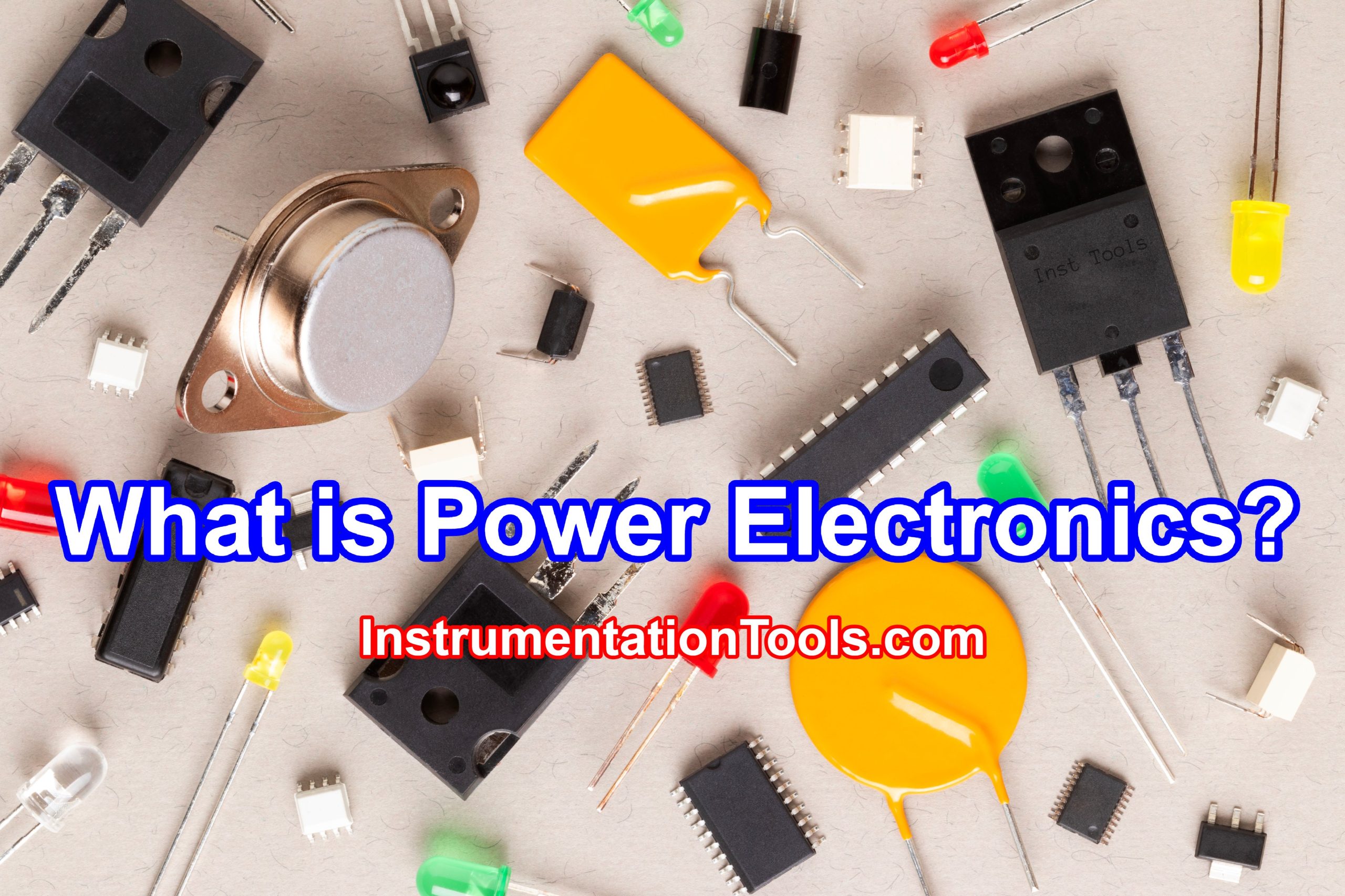
Power electronic components are special electronic parts designed to handle high voltages and currents. Unlike regular electronic parts, they can switch large amounts of power quickly and safely. Examples include diodes, transistors, and thyristors, which work together to control electric power in circuits.
How Do Power Electronics Work?
Power electronics work by switching electrical energy on and off at high speeds to control power delivery. This switching reduces energy loss compared to traditional methods like resistors. Have you noticed how your laptop charger stays cool? That’s because power electronics make energy conversion efficient and less wasteful.
Why Are Power Electronics Important?
Power electronics improve energy efficiency and make devices smaller and lighter. Without them, electric cars would be heavier, and renewable energy systems like solar panels wouldn’t work well. Think about your last trip – the smooth acceleration in electric vehicles depends on power electronics managing energy precisely.
Common Applications Of Power Electronics
- Power supplies for computers and TVs
- Electric vehicle motor controllers
- Renewable energy systems like solar inverters
- Industrial motor drives
- Battery chargers and UPS systems
Next time you use any of these, consider the power electronic components quietly making everything run smoothly.
Key Components In Power Electronics
Power electronic systems rely on several essential components to control and convert electrical power efficiently. These components manage voltage, current, and frequency in devices that power homes, industries, and transportation. Understanding the key parts helps grasp how power electronics work and their impact on modern technology.
Each component plays a unique role. Some control the flow of current, while others switch power on and off rapidly. Together, they improve energy use and system performance.
Diodes
Diodes allow current to flow in one direction only. They act like a one-way valve for electricity. This property makes diodes crucial for converting alternating current (AC) to direct current (DC). Power diodes handle high voltages and currents, protecting circuits from damage.
Transistors
Transistors switch electrical signals on and off quickly. They amplify or reduce current and voltage as needed. Power transistors control large amounts of power in devices like inverters and motor drives. They improve efficiency by reducing energy loss during switching.
Thyristors
Thyristors are semiconductor switches that handle high voltage and current. They stay on after being triggered until the current drops to zero. Thyristors control power in applications like light dimmers and electric motor speed controls. Their ability to switch large power loads makes them valuable in industry.
Integrated Circuits
Integrated circuits combine multiple electronic components on a small chip. They perform complex control tasks in power electronics. ICs regulate voltage, manage switching, and protect circuits. Their compact size and reliability make them ideal for modern power systems.
Functions Of Power Electronic Components
Power electronic components control and convert electrical power efficiently. They manage the flow of electricity in devices and systems. Their key functions improve performance and protect circuits. Understanding these functions helps grasp how electronics work in daily life.
Rectification
Rectification changes alternating current (AC) to direct current (DC). Many devices need DC to operate correctly. Power electronic components like diodes handle this task. They allow current to flow in only one direction, creating a steady DC output.
Inversion
Inversion converts direct current (DC) back into alternating current (AC). This function is vital for renewable energy systems. Inverters use power electronic components to produce AC power from batteries or solar panels. The output matches the grid or device needs.
Voltage Regulation
Voltage regulation keeps voltage levels steady and safe. Fluctuations can damage electrical equipment. Components like voltage regulators and thyristors adjust voltage automatically. They ensure devices receive the right power without spikes or drops.
Switching
Switching controls the flow of electrical power by turning it on or off rapidly. It increases efficiency and reduces energy loss. Transistors and MOSFETs are common switching components. They help manage power in converters and motor drives smoothly.

Credit: www.bisinfotech.com
Applications In Various Industries
Power electronic components play a key role in many industries. They help control and convert electrical power efficiently. Their ability to handle high voltage and current makes them essential in modern technology. Below are some major industries where these components are widely used.
Renewable Energy
Power electronic components are vital in renewable energy systems. They convert and manage electricity from solar panels and wind turbines. These components ensure stable power output. They also protect systems from faults and improve energy efficiency. Inverters and converters are common examples used in this sector.
Automotive
In the automotive industry, power electronics enable electric and hybrid vehicles. They control motor speed and battery charging. These components improve fuel efficiency and reduce emissions. Power modules and controllers help manage energy flow inside vehicles. Safety features also depend on reliable power electronics.
Consumer Electronics
Power electronic components are found in many household devices. They regulate power in smartphones, laptops, and televisions. These components help extend battery life and reduce heat. Chargers and adapters use power electronics to deliver the right voltage. Small size and high efficiency are important here.
Industrial Automation
Industrial machines rely on power electronic components for smooth operation. They control motors, drives, and robotic systems. These components improve precision and reduce energy waste. Power electronics also enable remote monitoring and fault detection. This leads to higher productivity and lower maintenance costs.
Future Trends In Power Electronics
The future of power electronics holds exciting possibilities. New technologies will shape how devices manage and control electrical energy. These trends aim to make systems smaller, faster, and more efficient. The integration of smart technology will bring more intelligence to power management.
Advancements In Semiconductor Technology
Semiconductors are the heart of power electronics. New materials like silicon carbide and gallium nitride improve performance. These materials handle higher voltages and temperatures. Devices become more durable and efficient. Smaller components lead to lighter and compact designs. This advancement allows power electronics to operate in harsher environments.
Energy Efficiency Improvements
Reducing energy loss is a top priority. New designs focus on minimizing heat generation. High-efficiency converters and inverters become common. Systems consume less power and deliver more output. Saving energy lowers costs and reduces environmental impact. These improvements support the growing demand for green technologies.
Integration With Iot
Power electronics will connect with the Internet of Things (IoT). Smart devices monitor and control power usage in real time. This connection enables predictive maintenance and fault detection. Users gain better control over energy consumption. Integration with IoT leads to smarter and safer power systems.
Credit: instrumentationtools.com
Challenges In Power Electronics
Power electronic components are essential in controlling and converting electrical power efficiently. However, working with these components presents unique challenges that can affect performance and longevity. Understanding these hurdles can help you design better systems and avoid costly mistakes.
Thermal Management
Heat is the biggest enemy of power electronic components. If not managed well, excessive heat can cause components to fail prematurely.
Designing effective cooling systems is crucial. You might consider using heat sinks, fans, or even liquid cooling depending on the power levels involved.
Have you ever noticed a device getting hot after prolonged use? That’s a direct sign that thermal management needs attention.
Component Reliability
Reliability is vital when your system depends on power electronics to function continuously. Even a small failure can lead to downtime or damage.
Choosing components with proven durability and testing them under real-world conditions helps ensure reliability.
Ask yourself: How often do you check the health of your power modules? Regular maintenance can prevent unexpected failures.
Cost Efficiency
Balancing performance and cost is a common challenge. High-quality components often come with a higher price tag, but cheaper parts may reduce system reliability.
Consider the total cost of ownership, including maintenance and replacement costs, not just the initial purchase price.
Could investing a bit more upfront save you from bigger expenses later? This question is worth pondering when selecting components.
Frequently Asked Questions
What Are Power Electronic Components Used For?
Power electronic components control and convert electrical power efficiently. They regulate voltage, current, and frequency in devices and systems. Common in renewable energy, electric vehicles, and industrial machines, they improve performance and reduce energy loss.
Which Are Common Types Of Power Electronic Components?
Common types include diodes, thyristors, transistors, and MOSFETs. Each component has specific roles in switching, rectifying, or amplifying electrical signals. They enable effective power management in various electronic circuits and devices.
How Do Power Electronic Components Improve Energy Efficiency?
They reduce energy loss by controlling power flow precisely. Components like MOSFETs switch quickly with minimal heat generation. This efficiency lowers electricity consumption and enhances device lifespan.
Where Are Power Electronic Components Commonly Applied?
These components are used in renewable energy systems, electric vehicles, industrial drives, and consumer electronics. Their role is critical in power conversion, motor control, and voltage regulation across many industries.
Conclusion
Power electronic components control and convert electrical power efficiently. They play a key role in many devices we use daily. Understanding these parts helps us appreciate modern technology better. They make machines work smoothly and save energy too. Knowing about them can guide better choices in electronics.
Power electronics shape how energy flows and powers our world. Simple yet vital parts, they keep technology running strong.