What is Pitch in Electronic Components: Ultimate Guide Explained
Have you ever wondered why tiny electronic parts fit so perfectly onto circuit boards? The secret often lies in something called “pitch.”
Understanding pitch in electronic components can save you time, prevent costly mistakes, and help you design or repair electronics with confidence. If you want to make sure your components connect just right, keep reading. This simple concept could make a big difference in your projects.

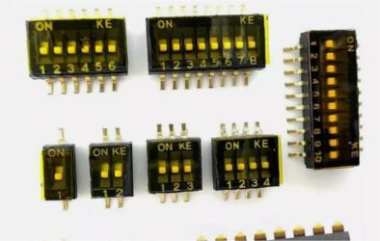
Credit: www.scondar.com
Basics Of Pitch In Electronics
Pitch in electronics refers to the distance between the centers of two adjacent pins or leads in electronic components. This measurement is crucial for designing and assembling circuit boards. Understanding pitch helps ensure that components fit correctly on printed circuit boards (PCBs) and connect properly with other parts.
The pitch affects how components are placed and soldered. Smaller pitch values mean pins are closer together. This allows for more compact designs but requires precise manufacturing. Larger pitches are easier to handle but take more space.
Definition Of Pitch In Electronic Components
Pitch is the center-to-center spacing between pins or leads on a component. It is usually measured in millimeters (mm). For example, a 2.54 mm pitch means each pin is 2.54 mm apart from the next.
Common Pitch Sizes
- 1.27 mm
- 2.54 mm (0.1 inch)
- 5.08 mm
- 0.5 mm and smaller for fine-pitch components
These sizes are standard for various components like headers, connectors, and ICs.
Why Pitch Matters In Pcb Design
Correct pitch ensures components fit the PCB layout. It affects soldering quality and electrical connections. Mismatched pitch can cause shorts or open circuits. Designers must check pitch before manufacturing.
Significance Of Pitch In Component Design
Pitch plays a vital role in the design of electronic components. It defines the distance between pins or leads on a component. This distance affects how components fit on a circuit board and how they connect electrically. Proper pitch ensures reliable assembly and prevents short circuits.
The pitch influences the size of the component and the density of the circuit. Smaller pitch allows more components in a limited space. It supports the trend toward miniaturization in electronics. Designers must balance pitch size with manufacturing capabilities and performance needs.
Impact On Circuit Board Layout
Pitch determines how closely components can be placed on a board. Tight pitch requires precise soldering and high-quality manufacturing. A larger pitch offers easier handling but uses more board space. Designers choose pitch to optimize space and manufacturing ease.
Effect On Signal Integrity
Correct pitch spacing helps maintain signal quality. Too close leads can cause interference and crosstalk. Proper pitch reduces electrical noise and improves device reliability. Signal integrity is crucial for high-speed and sensitive circuits.
Influence On Manufacturing Process
Pitch size impacts assembly methods and costs. Smaller pitch demands advanced equipment and skilled labor. Larger pitch simplifies soldering and inspection. Manufacturers must adapt processes to the pitch for efficient production.
Role In Component Compatibility
Standard pitch sizes ensure components fit various boards and sockets. This compatibility reduces design changes and costs. Non-standard pitch may require custom solutions, increasing complexity. Using common pitch sizes speeds up development and repair.
Pitch Measurement Techniques
Measuring pitch in electronic components is essential for ensuring proper fit and function in circuit design. Different techniques offer varying levels of precision and convenience. Choosing the right method depends on the component size, your tools, and the accuracy needed for your project.
Using Calipers
Calipers are a simple and effective tool for measuring pitch, especially for larger components. You can easily measure the distance between the centers of two adjacent pins or pads by carefully positioning the caliper jaws.
Keep in mind that using calipers requires a steady hand and good lighting to avoid errors. If you’ve ever measured tiny SMD components, you know how tricky it can be to get an exact reading. Still, calipers are widely available and cost-effective for many users.
Optical Inspection Methods
Optical inspection methods use magnification and imaging technology to measure pitch without physical contact. This technique is great for very small or delicate components where using calipers might damage the pins.
Many hobbyists and professionals rely on microscopes or camera systems to capture detailed images, then measure pitch on-screen. Have you tried zooming in on a component to check pin spacing? It often reveals details that are impossible to see with the naked eye.
Automated Measurement Tools
Automated tools like coordinate measuring machines (CMM) or specialized vision systems provide high precision and speed. These devices can quickly scan multiple components and deliver accurate pitch measurements, reducing human error.
If you work in a production environment, investing in automated measurement tools can save time and improve quality control. But for smaller projects or occasional checks, manual methods often suffice. How much accuracy do you really need for your current work?

Credit: www.electronicsandyou.com
Types Of Pitch In Electronic Components
Pitch in electronic components refers to the distance between similar parts. Different types of pitch help designers choose the right components. Each pitch type fits specific uses in circuits and devices.
Lead Pitch
Lead pitch is the distance between the leads of a component. It is common in through-hole components like resistors and capacitors. Correct lead pitch ensures proper placement on a circuit board. It also affects soldering and connection quality.
Pin Pitch
Pin pitch measures the space between pins on integrated circuits. It is crucial for surface-mount devices (SMD). Smaller pin pitch allows more pins in less space. It helps create compact and efficient electronic designs.
Contact Pitch
Contact pitch refers to the gap between contacts in connectors. It determines how many connections fit in a connector. Proper contact pitch ensures reliable electrical contact. It also affects the connector’s size and compatibility.
Impact Of Pitch On Circuit Design
Pitch plays a crucial role in circuit design by defining the distance between the centers of adjacent pins or pads in electronic components. This measurement directly influences how compact or spread out a circuit can be. Designers must carefully choose the right pitch to balance space, performance, and reliability in a circuit layout.
Space Optimization
Smaller pitch allows placing components closer together. This leads to more compact circuit boards and saves valuable space. Space optimization is essential in devices like smartphones and wearables where size matters most. Tight pitch designs require precise manufacturing to avoid soldering issues and shorts.
Signal Integrity Considerations
Pitch affects the quality of electrical signals in circuits. Narrow pitch can cause crosstalk between pins, leading to signal interference. Proper spacing helps reduce noise and maintains signal clarity. Designers must consider pitch to ensure stable data transmission and avoid errors.
Thermal Management
Pitch also impacts heat dissipation in circuit boards. Components placed too close can trap heat and raise temperatures. Adequate pitch spacing allows better airflow and heat spread. Effective thermal management prevents overheating and improves circuit reliability and lifespan.
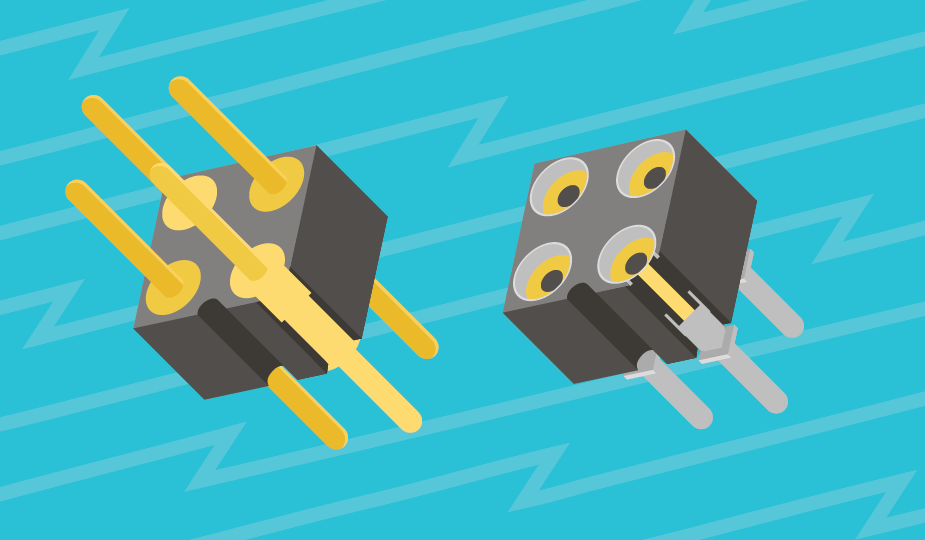
Credit: www.sameskydevices.com
Common Pitch Standards
Understanding common pitch standards is crucial when working with electronic components. Pitch refers to the distance between the centers of two adjacent pins or leads. This measurement impacts how components fit on printed circuit boards (PCBs) and can affect the ease of assembly and compatibility.
Choosing the right pitch standard ensures your designs are practical and components are easily sourced. But did you know that pitch standards vary widely across different regions and industries? Let’s look deeper into how these standards differ and what that means for your projects.
Metric Vs. Imperial Standards
Pitch measurements often come in two main systems: metric and imperial. Metric pitches are measured in millimeters, such as 2.54 mm, which is very common in electronics. Imperial pitches use inches, like the 0.1-inch spacing often seen in older or American-made components.
Many manufacturers stick to metric standards nowadays, but you’ll still find imperial pitches in specific parts, especially in legacy systems. This mix can cause confusion if you don’t double-check specifications before ordering parts or designing PCBs. Have you ever struggled with mismatched pitch sizes during assembly? Ensuring consistency saves time and reduces errors.
Industry-specific Standards
Different industries have their own preferred pitch standards based on functionality and manufacturing needs. For instance, the automotive sector often uses robust components with larger pitches to withstand vibrations. Meanwhile, consumer electronics favor smaller pitches to save space and allow for miniaturization.
In aerospace, reliability is paramount, so components may follow stricter pitch regulations to ensure secure connections. This diversity means you must tailor your designs to the industry you’re targeting. What industry are you designing for, and how does that affect your pitch choices?
Challenges In Managing Pitch
Managing pitch in electronic components presents several challenges that directly impact design, manufacturing, and overall device performance. The smaller the pitch, the tighter the tolerances and the more complex the integration. Let’s break down the key challenges you’ll face when dealing with pitch in your projects.
Miniaturization Challenges
As devices shrink, pitch sizes become smaller to fit more components in limited space. This leads to difficulties in routing connections without causing shorts or signal interference. You might find that traditional tools and techniques don’t work well at these scales, forcing you to rethink your design approach.
Have you ever tried fitting too many components on a tiny board and ended up with unreliable connections? That’s the direct impact of miniaturization on pitch management.
Manufacturing Tolerances
Precision is crucial when dealing with pitch, but manufacturing processes have inherent tolerances. Even a slight deviation can cause misalignment, leading to poor solder joints or component failure. You need to account for these variations during design to avoid costly rework or performance issues.
Consider how a tiny offset in component placement can cause a complete circuit failure. Are you factoring in these tolerances early enough in your design cycle?
Compatibility Issues
Different manufacturers often use varying pitch standards, which can cause compatibility problems. This makes it challenging to source replacement parts or upgrade components without redesigning the entire layout. Ensuring compatibility requires careful selection and sometimes compromises in your design.
Have you faced delays because a component didn’t fit the pitch of your PCB? Compatibility isn’t just a technical issue; it can affect your project timeline and budget.
Advancements In Pitch Technology
Advancements in pitch technology have significantly improved electronic component design. Smaller pitch sizes allow for more connections on a single chip. This means devices can be more powerful and compact. Engineers continue to develop new methods to reduce pitch without losing performance.
These changes support faster data transfer and better device efficiency. The demand for smaller, smarter electronics drives constant innovation. Precision manufacturing and materials science play key roles in these advancements.
Micro-pitch Innovations
Micro-pitch technology focuses on reducing the distance between pins. This allows for higher density on circuit boards. Current micro-pitch sizes can be as small as 0.3 millimeters or less. New techniques use advanced lithography and etching to achieve this.
Micro-pitch components improve signal speed and reduce power loss. They also enable thinner devices and better heat management. These innovations help meet the needs of smartphones, laptops, and wearable tech.
Future Trends
Future pitch technology aims for even smaller sizes below 0.2 millimeters. Researchers explore new materials like graphene and flexible substrates. These could lead to bendable or foldable electronics.
Integration of artificial intelligence in manufacturing will improve precision. Automated inspection and repair will reduce defects. The goal is to create highly reliable components with extreme miniaturization.
As pitch technology advances, expect faster, smaller, and smarter devices. This progress supports the growth of the Internet of Things and 5G networks.
Practical Applications And Examples
Pitch in electronic components plays a vital role in various devices. It determines how closely parts are placed on a circuit board. This spacing affects the device’s size, performance, and reliability. Different industries rely on specific pitch sizes to meet their needs. Small pitch sizes allow for compact designs. Larger pitches help with heat dissipation and easier repairs. Below are practical examples of pitch use in several fields.
Consumer Electronics
Consumer gadgets like smartphones and tablets need small pitch components. This helps keep devices slim and lightweight. Microchips and connectors use fine pitch to fit more functions. Compact pitch also improves circuit speed and efficiency. Common pitches in this sector range from 0.3 mm to 1 mm. This range supports miniaturization without sacrificing durability.
Automotive Systems
Vehicles use electronic parts with moderate pitch sizes. This balances space and heat management inside the engine or dashboard. Sensors, control units, and power modules often feature pitches around 1 mm to 2.5 mm. Larger pitch components help ensure long-term reliability under vibration and heat. Automotive electronics require robust connections to keep systems safe and efficient.
Medical Devices
Medical equipment demands precise and reliable electronic parts. Small pitch components enable compact and lightweight designs for portable devices. Implants and monitoring tools use pitches as fine as 0.2 mm. These tiny pitches support complex functions in a small space. Accuracy and safety are critical, so pitch size must meet strict standards. Proper pitch selection ensures device performance and patient safety.
Frequently Asked Questions
What Does Pitch Mean In Electronic Components?
Pitch refers to the center-to-center distance between adjacent pins or leads in electronic components. It ensures proper spacing for mounting and connectivity on circuit boards. Pitch measurement is critical for component compatibility and PCB design accuracy.
Why Is Pitch Important In Electronic Design?
Pitch determines the fit and alignment of components on a PCB. Incorrect pitch can cause soldering issues or electrical shorts. It helps designers select the right components and layout for efficient, reliable electronic circuits.
How Is Pitch Measured In Electronic Components?
Pitch is measured as the distance between the centers of two adjacent pins or leads. It is usually expressed in millimeters or inches. Accurate pitch measurement ensures components match the PCB footprint for proper installation.
What Are Common Pitch Sizes In Electronics?
Common pitch sizes include 0. 5mm, 1. 0mm, 2. 54mm (0. 1 inch), and 5. 08mm. Smaller pitches suit compact devices, while larger pitches fit through-hole components. Choosing the right pitch depends on device size and manufacturing capabilities.
Conclusion
Pitch in electronic components defines the space between pins or leads. It affects how parts fit on circuit boards and connect. Smaller pitch allows more components in less space but needs careful handling. Understanding pitch helps choose the right parts for projects.
It also ensures proper assembly and function. Knowing this term makes working with electronics easier and more precise. Keep pitch in mind for better design and performance. Simple, clear, and important to every electronic hobbyist or professional.