
How Many Electronic Components in Cars: Revealing the Surprising Count
Have you ever wondered how many electronic components are inside your car? It’s more than you might think.
These tiny parts work together to keep your vehicle running smoothly, safely, and efficiently. Understanding what’s inside your car can help you appreciate the technology that powers your daily drive. Keep reading, and you’ll discover just how complex—and fascinating—your car really is.
Growth Of Electronics In Vehicles
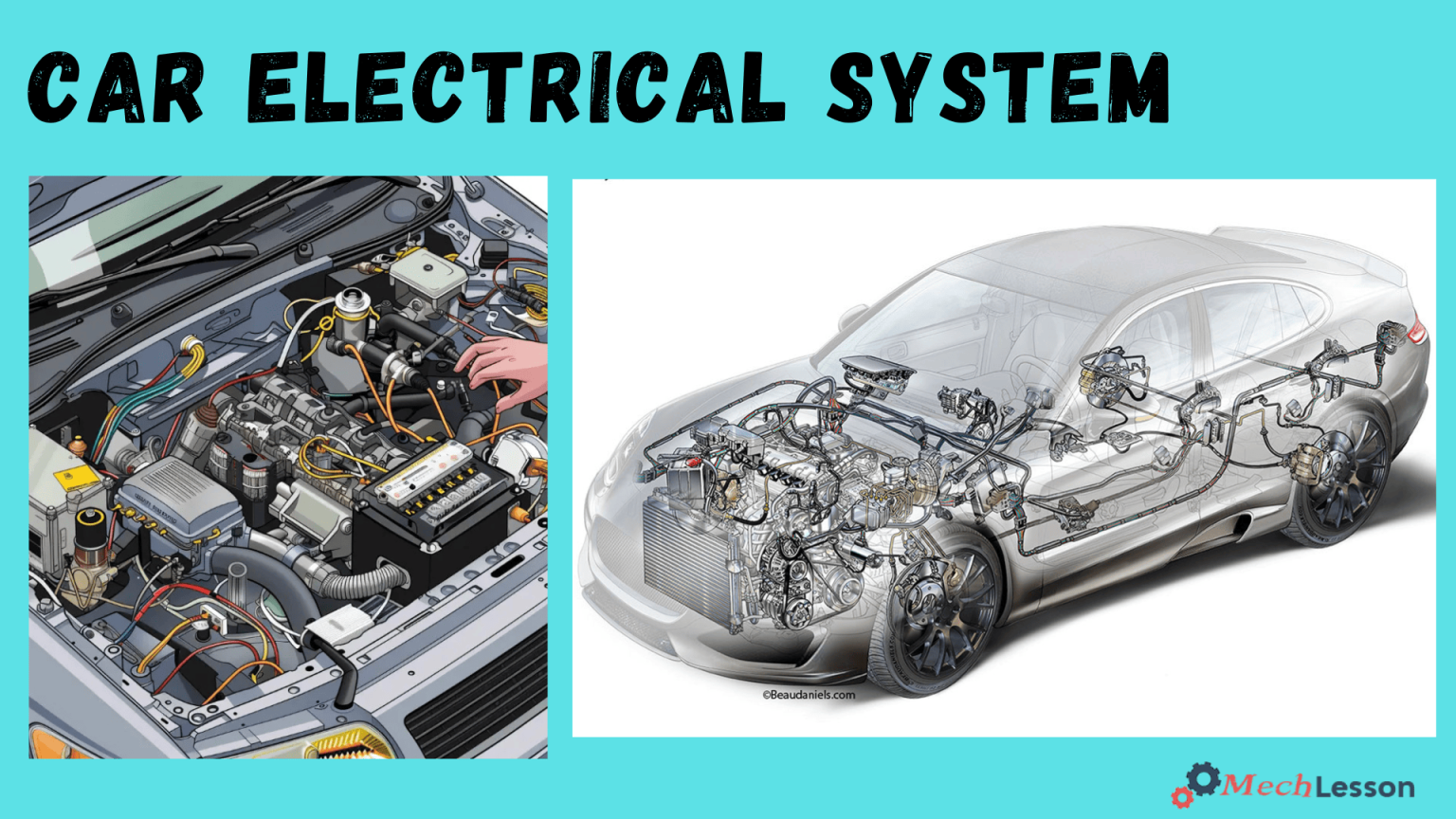
Electronics have become a key part of modern vehicles. Over the years, the number of electronic components in cars has grown significantly. This growth affects how vehicles operate, making them safer, smarter, and more efficient. Understanding this change helps to see the role of electronics in cars today.
From Mechanical To Electronic Systems
Cars once relied mainly on mechanical parts. Engines, brakes, and steering used simple, manual controls. Electronics have replaced many of these parts. Today, electronic control units (ECUs) manage engine performance and safety features. This shift improves precision and reduces wear on parts. It also allows for advanced systems like anti-lock brakes and electronic stability control.
Impact Of Modern Technology
Modern technology has expanded the use of electronics in cars. Features like GPS, touchscreens, and driver assistance systems depend on electronics. Sensors monitor tire pressure, fuel levels, and even driver alertness. Electric and hybrid cars use electronics to control battery and motor functions. This technology improves fuel efficiency and lowers emissions. Electronics also enable software updates, adding new features without hardware changes.
Credit: www.idtechex.com
Key Electronic Components In Cars
Modern cars rely heavily on electronic components for smooth operation and enhanced performance. These parts help the vehicle respond quickly and safely to changing conditions. Electronics manage everything from engine control to entertainment. Understanding key components reveals how technology improves driving.
Sensors And Actuators
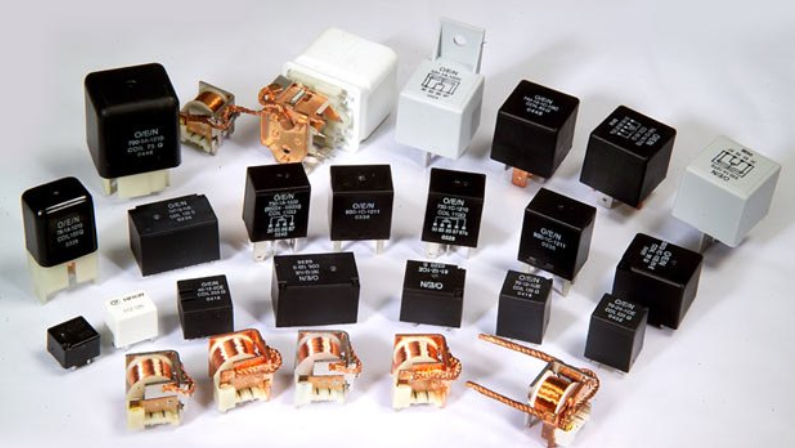
Sensors detect changes in the car’s environment and send data to control units. They monitor speed, temperature, pressure, and more. Actuators receive commands and perform actions like adjusting brakes or steering. Together, they keep the car responsive and efficient.
Control Units
Control units act as the brain of the vehicle’s electronics. They process information from sensors to manage engine performance, fuel injection, and emissions. Multiple control units work together for smooth driving and better fuel economy. Examples include the Engine Control Unit (ECU) and Transmission Control Unit (TCU).
Infotainment Systems
Infotainment systems provide navigation, music, and connectivity inside the car. They include touchscreens, speakers, and voice controls. These systems improve comfort and convenience during trips. Integration with smartphones and apps is common in modern vehicles.
Safety And Driver Assistance
Safety electronics help prevent accidents and protect passengers. Features include airbags, anti-lock brakes, and electronic stability control. Driver assistance systems support parking, lane keeping, and collision warning. These technologies enhance road safety and driver confidence.
Estimating The Total Number
Estimating the total number of electronic components in a car helps understand its complexity. Modern vehicles rely heavily on electronics for safety, comfort, and performance. The count varies widely depending on the vehicle’s design and purpose. Knowing the approximate number gives insight into how cars have evolved over time.
Component Counts By Vehicle Type
Different vehicle types contain different amounts of electronic parts. Here is a general overview:
- Economy cars:Around 1,500 to 2,000 components.
- Sedans and SUVs:Between 2,000 and 3,000 components.
- Luxury cars:Can have 3,000 to 5,000 components or more.
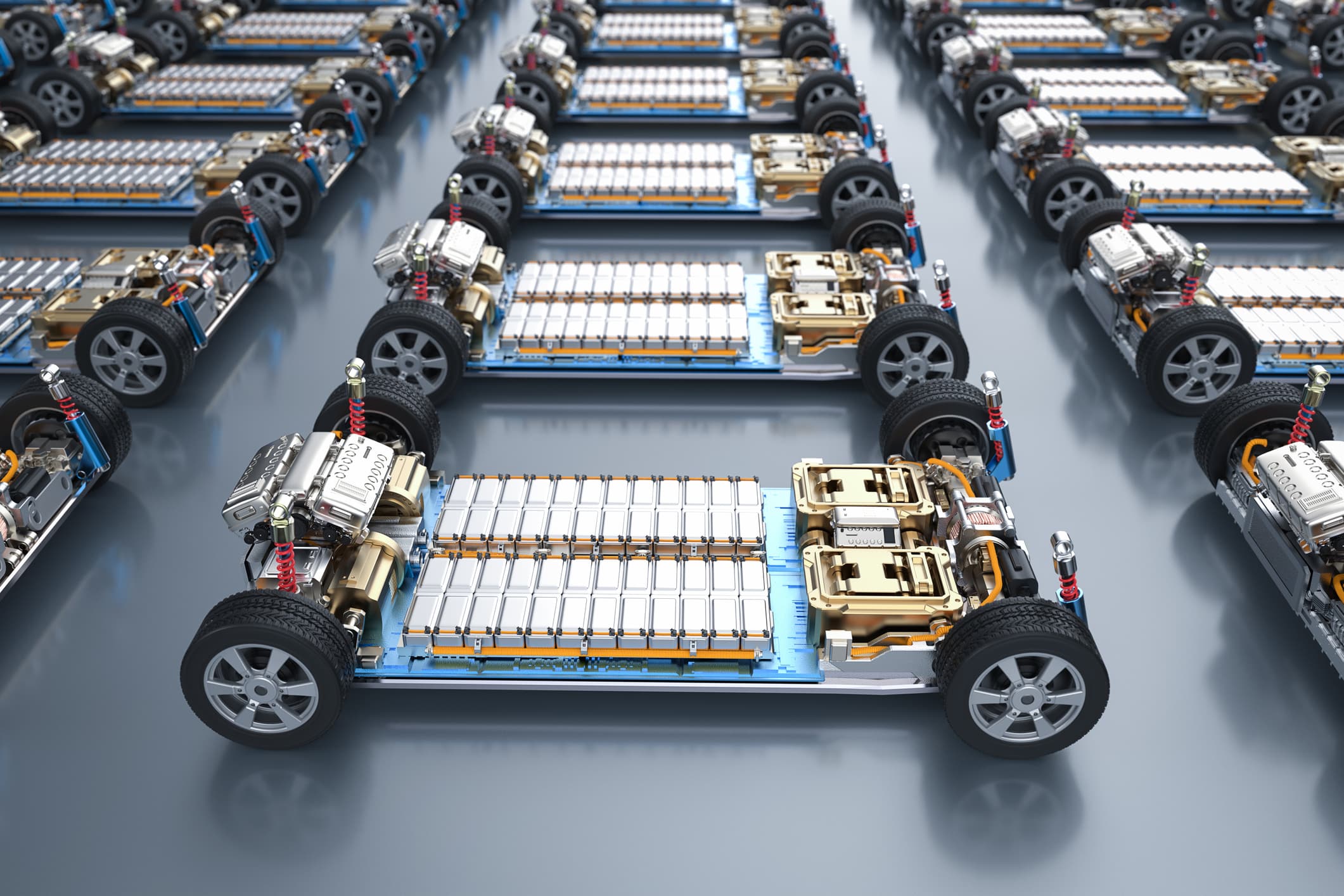
- Electric vehicles:Often contain more than 3,000 electronic parts due to battery management and controls.
Each type uses electronics for powertrain, infotainment, safety, and comfort features.
Variations Across Models And Brands
Component numbers differ greatly between models and brands. Factors that affect this include:
- Technology level and feature sets
- Brand focus on innovation or simplicity
- Market segment targeting
- Use of advanced driver-assistance systems (ADAS)
Luxury brands tend to pack more sensors and modules. Economy models usually have fewer parts to keep costs low. Some brands prioritize user-friendly tech, increasing component counts. Others focus on efficiency and reduce electronic complexity.
Credit: www.dickhannah.com
Role Of Microcontrollers And Chips
Microcontrollers and chips form the backbone of modern vehicles’ electronic systems. They manage everything from engine control to infotainment, making your driving experience smoother and safer. Understanding their role helps you appreciate the complexity hidden under the hood and how technology keeps your car running efficiently.
Central Processing Units
The Central Processing Unit (CPU) in a car’s microcontroller acts like the brain of the system. It processes data from various sensors and makes real-time decisions to control engine performance, braking, and even airbag deployment.
You might not realize it, but CPUs handle thousands of calculations every second to keep your vehicle responsive. For example, when you press the accelerator, the CPU instantly adjusts fuel injection and ignition timing for optimal power and efficiency.
Have you ever wondered how your car adapts to different driving conditions? That’s the CPU analyzing sensor inputs and adjusting systems on the fly.
Communication Networks
Cars rely on communication networks to connect all electronic components seamlessly. These networks ensure that microcontrollers and chips share information without delay.
Common networks include CAN (Controller Area Network) and LIN (Local Interconnect Network), which link devices like engine control units, airbags, and dashboard displays. This connectivity allows your car to respond quickly to changes and keeps all systems synchronized.
Think about how your car’s navigation system updates routes while the engine control adjusts fuel efficiency. This smooth coordination is only possible because of these communication networks.
Future Trends In Automotive Electronics
The future of automotive electronics is rapidly evolving. Cars are becoming more complex, with more electronic parts inside. These parts improve safety, comfort, and driving experience. The focus is on new technologies that change how cars operate and connect.
Electric And Autonomous Vehicles
Electric vehicles (EVs) use many electronic components to manage batteries and motors. These parts ensure efficient power use and longer battery life. Autonomous vehicles rely on sensors, cameras, and computers to drive safely without a human. These systems need advanced electronics for real-time data processing and decision making.
Increased Connectivity
Cars are becoming connected to the internet and other devices. This allows features like remote control, navigation updates, and vehicle diagnostics. Connectivity improves safety with emergency call systems and traffic alerts. It also supports entertainment and communication inside the car.
Credit: www.northyorkchrysler.ca
Frequently Asked Questions
What Are The Main Electronic Components In Cars?
Modern cars contain various electronic components, including sensors, microcontrollers, and actuators. These components control functions such as engine management, safety systems, and infotainment. They ensure optimal performance, enhance safety, and provide a better driving experience. As technology advances, the number and complexity of these components continue to grow.
How Do Electronic Components Improve Car Safety?
Electronic components enhance car safety by enabling advanced driver-assistance systems (ADAS). Features like automatic emergency braking, lane-keeping assistance, and adaptive cruise control rely on sensors and microcontrollers. These systems help prevent accidents and reduce driver fatigue, leading to safer driving environments for everyone on the road.
Why Are Electronic Components Essential In Modern Cars?
Electronic components are crucial for modern cars due to their role in efficiency, safety, and convenience. They optimize engine performance, reduce emissions, and enhance fuel efficiency. Additionally, they enable advanced safety features and provide infotainment options, improving the overall driving experience and making vehicles more appealing to consumers.
How Has Technology Increased Electronic Components In Cars?
Technological advancements have significantly increased electronic components in cars. Innovations like electric vehicles and autonomous driving rely heavily on electronics. These advancements require complex systems to manage power, communication, and control functions, leading to a higher number of electronic components compared to traditional vehicles.
Conclusion
Cars have many electronic parts inside. These parts control safety, comfort, and performance. Each component works together to keep the car running smoothly. As technology grows, cars use more electronics every year. Understanding this helps appreciate modern vehicles better. Electronics make driving easier and safer today.
Keep in mind, these parts need care and sometimes repair. Knowing about car electronics helps you stay informed as cars evolve.


