Which Electronic Component Can Store Charge: Ultimate Guide
Have you ever wondered which tiny part inside your gadgets actually holds onto electrical energy? Understanding this can change the way you see everyday electronics.
If you want to know exactly which electronic component stores charge and why it’s so important, you’re in the right place. By the end of this article, you’ll not only recognize this crucial component but also discover how it impacts the devices you use daily.
Keep reading—your curiosity is about to pay off!
Capacitors
Capacitors are essential electronic components designed to store and release electrical energy quickly. They come in various shapes and sizes but all serve the core function of holding an electric charge. Understanding how capacitors work can help you better design circuits or troubleshoot electronic devices.
Types Of Capacitors
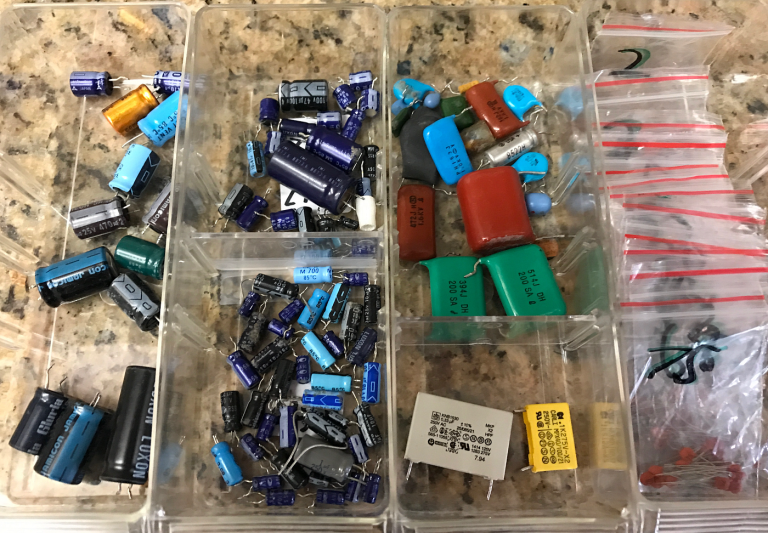
Capacitors vary based on their construction and materials. Common types include:
- Ceramic Capacitors:Small, inexpensive, and widely used for high-frequency applications.
- Electrolytic Capacitors:Known for high capacitance values, suitable for power supply filtering.
- Tantalum Capacitors:Reliable and stable, often used in portable electronics.
- Film Capacitors:Durable and precise, ideal for audio and timing circuits.
Each type has strengths and limitations, so picking the right capacitor depends on your specific needs.
How Capacitors Store Charge
Capacitors store charge by holding opposite electrical charges on two conductive plates separated by an insulator called a dielectric. When voltage is applied, electrons accumulate on one plate, creating an electric field. This stored energy can be released instantly when the circuit requires it.
Think about how a capacitor in a camera flash works—it charges up slowly but discharges quickly to produce a bright flash. This quick release of stored charge is what makes capacitors unique compared to other components like batteries.
Applications Of Capacitors
Capacitors are everywhere in electronics, from simple gadgets to complex machines. You’ll find them in:
- Power supply circuits to smooth out voltage fluctuations.
- Audio equipment to filter signals and improve sound quality.
- Motor starters to help electric motors run smoothly.
- Timing circuits where precise charging and discharging control time delays.
Have you ever considered how your smartphone manages so many tasks without overheating? Capacitors play a key role in stabilizing power and preventing damage.
Batteries
Batteries are common electronic components that store electrical charge. They power many devices by saving energy chemically. This stored energy can be released as electricity when needed. Batteries come in different shapes and sizes for various uses.
Types Of Batteries
- Alkaline: Widely used in household gadgets
- Lead-acid: Common in cars and backup power
- Lithium-ion: Popular in smartphones and laptops
- Nickel-Cadmium (NiCd): Used in power tools
- Nickel-Metal Hydride (NiMH): Found in rechargeable devices
Charge Storage Mechanism
Batteries store charge through chemical reactions inside cells. These reactions create a flow of electrons. The positive and negative terminals allow current to move out. When connected to a device, the battery releases stored energy as electric current.
Common Uses Of Batteries
- Powering portable electronics like phones and cameras
- Starting and running vehicles
- Backup energy for computers and servers
- Supplying power to remote sensors and gadgets
- Operating cordless tools and toys
Supercapacitors
Supercapacitors are electronic components designed to store electrical charge. They hold more energy than traditional capacitors but charge and discharge faster than batteries. These devices bridge the gap between capacitors and batteries, making them useful in many applications. Supercapacitors are common in power backup systems, electric vehicles, and energy harvesting devices.
Comparison With Traditional Capacitors
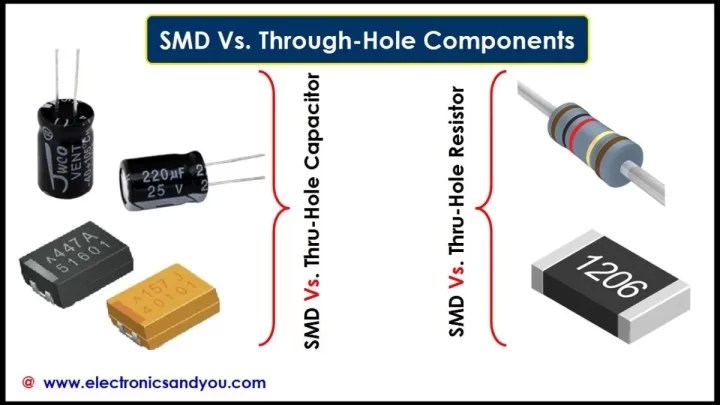
Supercapacitors differ significantly from traditional capacitors. Traditional capacitors store charge using two metal plates and a dielectric material. Supercapacitors use a larger surface area and an electrolyte to increase capacity. This design allows supercapacitors to hold much more charge. They can deliver energy quickly but usually at lower voltage levels. Traditional capacitors are smaller and better for high-frequency circuits. Supercapacitors suit applications needing fast energy release and storage.
Energy Storage Capabilities
Supercapacitors store energy through electrostatic charge separation at the interface of electrodes and electrolyte. They offer capacitance values thousands of times higher than regular capacitors. This means they can store more energy per unit volume or weight. Their energy density is higher but still lower than batteries. Supercapacitors excel at rapid charge and discharge cycles. They can perform millions of cycles without significant wear.
Advantages And Limitations
- Advantages:
- Fast charging and discharging
- Long cycle life
- High power density
- Wide temperature range operation
- Limitations:
- Lower energy density than batteries
- Voltage decreases as they discharge
- Higher self-discharge rate
- Generally larger size than traditional capacitors

Credit: www.electronicsandyou.com
Electrochemical Cells
Electrochemical cells are devices that store electrical energy through chemical reactions. They convert chemical energy into electrical energy and vice versa. These cells play a crucial role in powering many electronic devices and systems. Their ability to hold and release charge makes them essential components in energy storage technology.
Components Of Electrochemical Cells
- Anode:The negative electrode where oxidation occurs.
- Cathode:The positive electrode where reduction happens.
- Electrolyte:A medium that allows ions to move between electrodes.
- Separator:Prevents direct contact between anode and cathode while allowing ion flow.
Charge Storage Process
Electrochemical cells store charge by chemical changes at the electrodes. When the cell charges, ions move through the electrolyte. Electrons flow through the external circuit. This movement creates an electric current. During discharge, the process reverses to release stored energy.
Role In Energy Storage
These cells are vital for storing energy in batteries and fuel cells. They provide power for portable electronics, electric vehicles, and backup systems. Their efficiency and capacity affect device performance and lifespan. Advances in electrochemical cells improve energy density and charging speed.
Inductors
Inductors are essential electronic components known for their ability to store energy. Unlike capacitors that hold energy in electric fields, inductors store energy in magnetic fields. They consist of coils of wire wrapped around a core, which can be air or magnetic material. This simple design allows inductors to resist changes in current, making them valuable in many circuits.
Charge Storage In Magnetic Fields
Inductors store energy in the magnetic field created by current flowing through their coils. When current increases, the magnetic field grows and energy is stored. If the current decreases, the magnetic field collapses and releases energy back into the circuit. This process helps inductors manage changes in current smoothly. The energy stored is proportional to the square of the current and the inductance value.
Applications In Circuits
- Filtering signals by blocking high-frequency noise
- Energy storage in power supplies and converters
- Creating tuned circuits for radios and communication devices
- Reducing sudden changes in current in electronic devices
- Forming transformers to transfer energy between circuits
Inductors play a key role in controlling current and managing energy in electronics. Their ability to store energy in magnetic fields makes them unique and valuable in many applications.
Factors Affecting Charge Storage
Understanding the factors that affect charge storage is essential if you want to choose the right electronic component for your project. Several elements influence how much charge a component can hold and how efficiently it can deliver that charge when needed. By looking closely at these factors, you can make smarter decisions and avoid common pitfalls.
Material Properties
The type of material used in an electronic component greatly impacts its ability to store charge. Materials with high dielectric constants, like ceramic or tantalum, allow capacitors to hold more charge in a smaller space. Conductive materials, such as aluminum or copper, affect how well the charge moves and how quickly it can be stored or released.
Have you noticed how some capacitors last longer or perform better under stress? That often comes down to the quality and properties of the materials inside them.
Size And Capacity
Size is a straightforward yet crucial factor. Larger components generally have a higher capacity to store charge because they have more surface area or volume. However, bigger doesn’t always mean better if your design demands compactness.
You might ask, can a small capacitor handle the same load as a large one? Usually, no. But clever engineering can sometimes compensate by using materials with superior properties or arranging components in parallel to increase overall capacity.
Environmental Conditions
The environment where your component operates also plays a significant role in charge storage. Temperature extremes can cause materials to expand or contract, affecting their ability to hold charge consistently. High humidity or exposure to moisture may lead to corrosion, reducing efficiency and lifespan.
Have you ever seen a capacitor fail prematurely in a harsh environment? Protecting components from these conditions can save you time and money in maintenance and replacements.
Future Trends In Charge Storage
The future of charge storage is moving towards smarter and more efficient solutions. Advances in technology aim to increase capacity and reduce size. This allows electronics to run longer and perform better. Researchers focus on new ways to store electrical charge safely and effectively. The goal is to meet the growing needs of modern devices and renewable energy systems.
Emerging Technologies
New devices are being designed to store charge with higher efficiency. Supercapacitors are gaining attention for their quick charge and discharge cycles. Solid-state batteries promise improved safety and longer life. Flexible and wearable electronics require bendable storage components. Quantum capacitors explore charge storage at the atomic level for future use.
Innovations In Material Science
Material improvements play a key role in better charge storage. Nanomaterials increase the surface area, boosting capacity. Graphene and carbon nanotubes offer excellent conductivity and strength. Researchers develop polymers that hold charge longer without degrading. These new materials make electronic components smaller and more reliable.
Credit: www.electronicsandyou.com

Credit: veloxboreholes.com
Frequently Asked Questions
What Electronic Component Is Used To Store Electric Charge?
A capacitor is the primary electronic component designed to store electric charge. It consists of two conductive plates separated by an insulating material. Capacitors temporarily hold energy and release it when needed in circuits.
How Does A Capacitor Store Electrical Energy?
A capacitor stores electrical energy by accumulating opposite charges on its two plates. The electric field between plates holds this energy. When connected in a circuit, the capacitor releases or absorbs charge as required.
Can Batteries Store Charge Like Capacitors?
Batteries store charge chemically, while capacitors store charge physically as an electric field. Batteries provide longer energy supply, but capacitors charge and discharge much faster. Each has different uses in electronics.
What Role Do Capacitors Play In Electronic Circuits?
Capacitors stabilize voltage, filter signals, and store energy temporarily in circuits. They smooth power supply fluctuations and enable signal processing. Their ability to store and release charge quickly makes them essential components.
Conclusion
Capacitors are the main electronic parts that store electric charge. They hold energy in an electric field between two plates. This ability helps circuits run smoothly and safely. Batteries store charge too but work differently. Understanding capacitors helps in learning how devices control electricity.
They appear in many gadgets, from phones to radios. Knowing which components store charge makes electronics easier to grasp. Keep exploring these parts to see how they keep power ready when needed. Simple yet powerful – capacitors play a key role in electronics.