What Conflict Minerals are Used in Electronic Components: Essential Insights
Imagine holding your smartphone or laptop. It’s sleek, powerful, and connects you to the world.
But have you ever wondered what lies beneath the surface of these electronic marvels? The truth is, many of the components in your favorite gadgets may contain conflict minerals. These are minerals that are mined in conditions of armed conflict and human rights abuses, often in the Democratic Republic of Congo.
They have names you might not hear every day—tantalum, tin, tungsten, and gold, often referred to as 3TG. Why should this matter to you? Because your choices as a consumer can impact global issues. Understanding the origins of these minerals and their ethical implications empowers you to make informed decisions. Are you ready to uncover the hidden story behind your electronics? Let’s dive deeper and explore what conflict minerals are used in electronic components, and why this knowledge is crucial for you.
Common Conflict Minerals
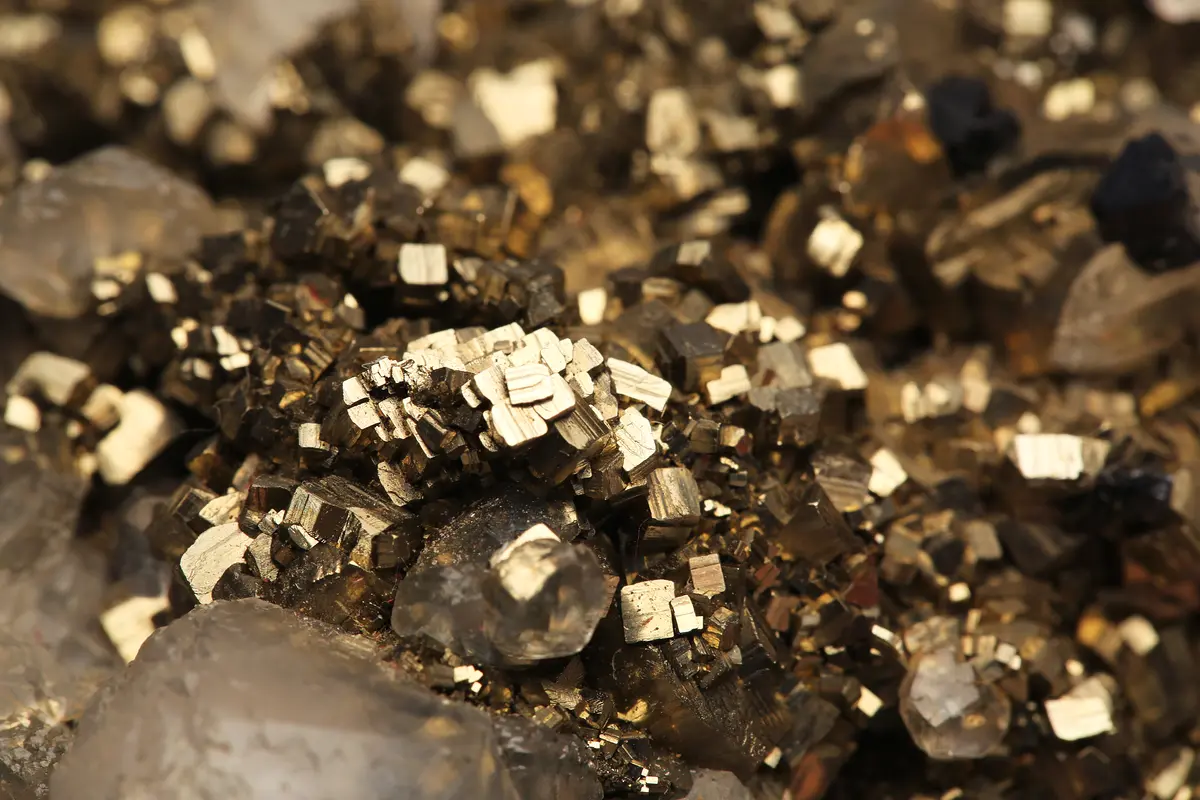
Conflict minerals are raw materials mined in conditions of armed conflict and human rights abuses. These minerals often enter the supply chains of electronic components you use every day. Understanding the common conflict minerals helps you make informed choices about the devices you buy and use.
Tin In Solder And Coatings
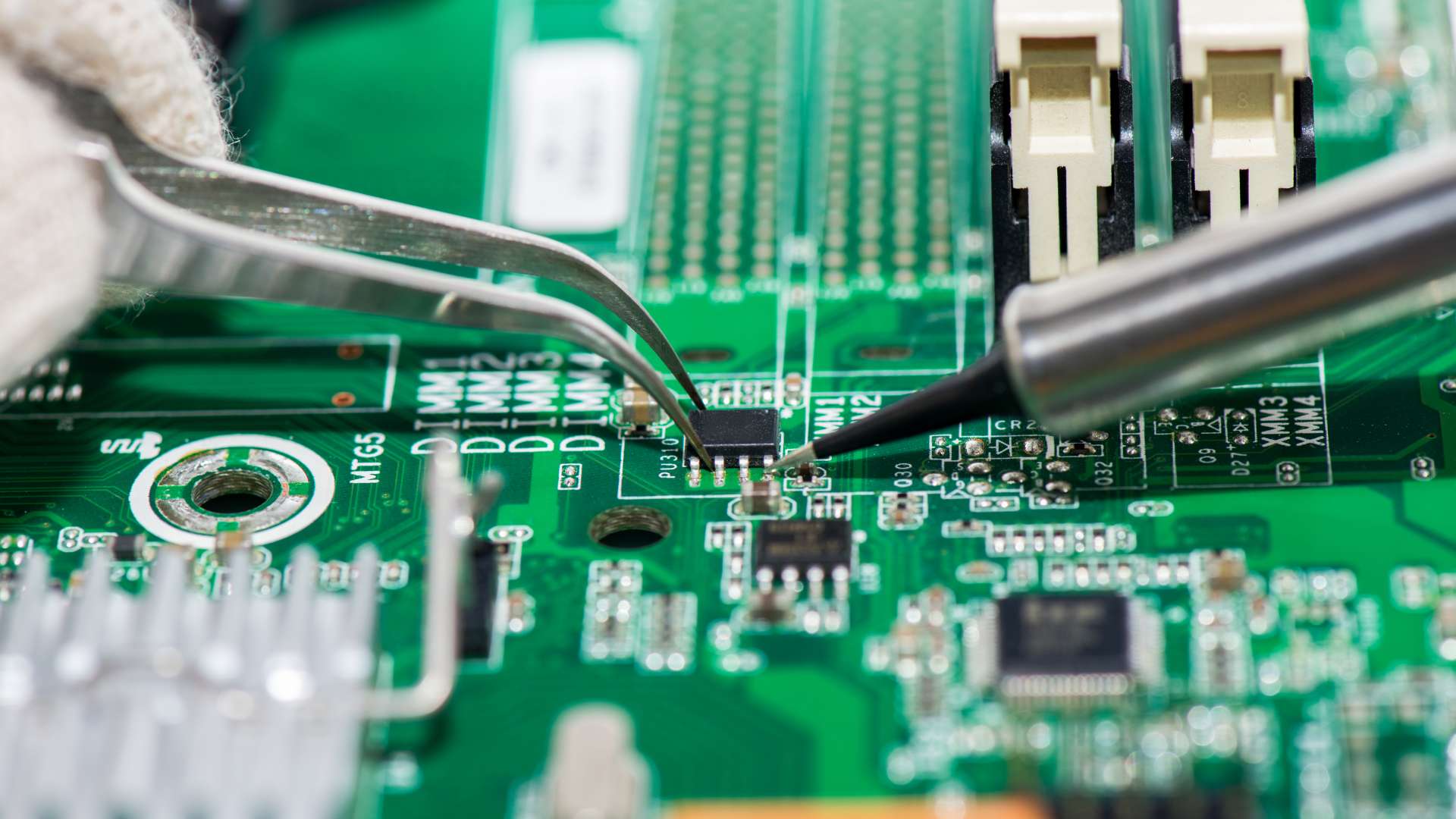
Tin is widely used in solder, which connects electronic parts together on circuit boards. It also acts as a protective coating to prevent corrosion. Sadly, tin mining in conflict zones can fund violence and exploitation, making it a key mineral to watch.
Tantalum In Capacitors
Tantalum is essential for manufacturing capacitors that store and release electrical energy in devices. Without it, your smartphone or laptop wouldn’t function smoothly. The challenge is that tantalum mining in certain regions is linked to armed groups, raising ethical concerns.
Tungsten In Connectors And Springs
Tungsten provides strength and durability to connectors and springs in electronic devices. Its high melting point makes it perfect for components that face heat and mechanical stress. However, the extraction of tungsten in conflict areas often involves unsafe labor conditions.
Gold In Circuit Boards And Wiring
Gold’s excellent conductivity and resistance to corrosion make it valuable for wiring and circuit boards. Its use ensures your devices have reliable electrical connections. But gold mining in conflict regions can support violence and disrupt communities, so it’s crucial to consider the source.

Credit: www.sustainable-markets.com
Sources And Mining Regions
Conflict minerals such as tin, tungsten, tantalum, and gold are essential in making many electronic components. These minerals come from specific sources and regions that have gained attention due to ethical and environmental concerns. Understanding where these minerals originate can help you make more informed choices about the electronics you use.
Key Mining Areas In Africa
Africa hosts some of the most significant deposits of conflict minerals. The eastern region, especially the Democratic Republic of Congo (DRC), is a major supplier of tantalum, tin, and tungsten. Neighboring countries like Rwanda and Uganda also contribute to mining activities.
These areas are rich in minerals but often lack proper regulation. This leads to issues such as unsafe working conditions and exploitation. Have you ever wondered how your smartphone’s tiny components link back to these distant mines?
Global Supply Chains
Once extracted, conflict minerals enter a complex global supply chain. They are processed and shipped worldwide, passing through multiple hands before reaching electronics manufacturers. This complexity makes it difficult to track the minerals’ exact origin.
Many companies are now working to increase transparency. Tools like blockchain and certification programs help trace minerals from mine to product. Could demanding clearer supply chain information from brands influence ethical sourcing?
Impact Of Illegal Mining
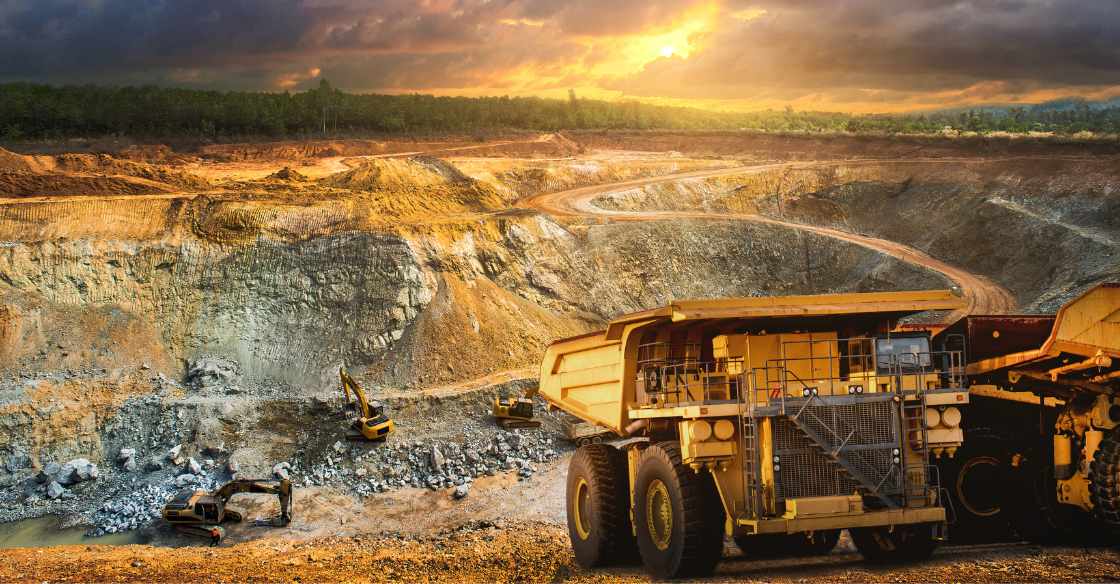
Illegal mining operations thrive in conflict mineral regions, often controlled by armed groups. These activities fund violence and disrupt local communities. They also cause severe environmental damage, including deforestation and water pollution.
Illegal mining undermines efforts to promote responsible sourcing. Supporting brands that actively verify their mineral sources can reduce demand for illegally mined materials. What steps will you take to support conflict-free electronics?
Role In Electronic Components
Conflict minerals play a crucial role in the manufacturing of electronic components. These minerals are essential for creating parts that power devices we use daily. From smartphones to laptops, conflict minerals ensure these gadgets function properly and efficiently.
Functionality In Devices
Conflict minerals like tin, tungsten, tantalum, and gold help build reliable electronic parts. Tin is used in soldering to connect circuits. Tungsten adds strength to tiny wires and filaments. Tantalum stores energy in capacitors, which manage power flow. Gold ensures strong electrical connections because it resists corrosion.
Dependence On Specific Minerals
Many electronic components rely heavily on these minerals. For example, smartphones need tantalum capacitors for smooth performance. Computers use tungsten in their processors and hard drives. Without these minerals, devices could fail or perform poorly. The unique properties of these minerals make them hard to replace.
Challenges In Material Substitution
Replacing conflict minerals is difficult. Alternatives often lack the same durability or conductivity. New materials may increase device costs or reduce efficiency. Manufacturers face challenges in finding safe, ethical mineral sources. Balancing performance, cost, and supply chain ethics remains a key issue.
Ethical And Environmental Issues
Conflict minerals play a significant role in the electronics industry, but their extraction and use raise serious ethical and environmental questions. Understanding these issues is crucial if you want to make informed choices about the products you buy and support. Let’s dive into the challenges linked with these minerals and how they impact people and the planet.
Human Rights Concerns
The mining of conflict minerals often happens in regions plagued by armed conflict and weak governance. This situation leads to forced labor, child labor, and unsafe working conditions. People trapped in these cycles rarely see fair wages or protections, making their lives dangerously unstable.
Have you ever thought about the journey of the tiny components inside your phone? Many come from miners who risk their lives daily. Supporting transparency and ethical sourcing can help end these abuses.
Environmental Degradation
Mining conflict minerals causes extensive environmental harm. Forests are cleared, rivers polluted, and wildlife habitats destroyed during extraction. These actions contribute to long-term damage that affects local communities’ health and livelihoods.
Imagine a river you depend on for drinking water becoming toxic because of nearby mining activities. This reality is common in many mining areas. Reducing demand for poorly sourced minerals can lessen this environmental toll.
Corporate Social Responsibility
Companies now face growing pressure to take responsibility for their supply chains. Many electronics manufacturers have started auditing their mineral sources and investing in conflict-free alternatives. This shift shows that change is possible when businesses act transparently.
You have power too. By asking questions about the products you buy and choosing brands committed to ethical sourcing, you push companies to improve. What steps will you take to support responsible electronics production?
Regulations And Compliance
Understanding the regulations and compliance around conflict minerals is essential for anyone involved in electronics manufacturing or procurement. These rules aim to prevent funding armed groups through mineral sourcing, ensuring ethical practices in the supply chain. Knowing how these laws and standards work can help you make better decisions and keep your business accountable.
Dodd-frank Act And Its Impact
The Dodd-Frank Act, passed in 2010, requires companies to disclose their use of conflict minerals like tin, tungsten, tantalum, and gold. This law targets minerals sourced from the Democratic Republic of Congo and surrounding areas, where mining often fuels violent conflicts.
For your company, this means you must trace the origin of these minerals and report your findings annually. Many businesses have faced challenges in gathering this data, but transparency has improved supplier accountability and reduced funding for armed groups.
Industry Standards And Certifications
Beyond legal requirements, industry standards provide practical guidelines for responsible sourcing. Certifications like the Responsible Minerals Assurance Process (RMAP) offer a way to verify smelters and refiners meet ethical standards.
You can use these certifications to choose suppliers who actively avoid conflict minerals. This not only protects your brand but also simplifies compliance by relying on trusted third-party audits.
Reporting And Transparency
Accurate and honest reporting is crucial to maintaining trust with customers, investors, and regulators. Companies often publish Conflict Minerals Reports, detailing their due diligence efforts and supply chain findings.
Have you considered how transparent your supply chain is? Sharing detailed reports can be a powerful tool to show your commitment to ethical sourcing and encourage others to follow suit.
Credit: www.assent.com
Efforts To Eliminate Conflict Minerals
Efforts to eliminate conflict minerals focus on making electronic components more ethical. These efforts aim to stop funding armed groups and reduce human rights abuses. Companies, governments, and organizations work together to improve supply chain transparency and find better options.
Traceability Technologies
Traceability technologies help track minerals from mines to final products. Blockchain and digital tagging create secure records of mineral origins. These tools prevent fake claims and improve accountability in supply chains. Clear tracking makes it easier to avoid conflict minerals.
Alternative Material Research
Researchers explore new materials to replace conflict minerals in electronics. Scientists study safer and sustainable metals that perform well. Finding alternatives reduces dependence on risky sources. This research supports cleaner, fairer electronics manufacturing.
Collaborative Industry Initiatives
Many companies join forces to fight conflict minerals. Industry groups share data and set common standards. Collaboration increases pressure on suppliers to comply with ethical rules. These initiatives build trust and push for responsible sourcing worldwide.
Credit: blog.sourceintelligence.com
Frequently Asked Questions
What Are Conflict Minerals In Electronics?
Conflict minerals are natural resources mined in war zones. They fund armed groups and cause human rights abuses. Common ones include tantalum, tin, tungsten, and gold.
Which Minerals Are Used In Electronic Components?
Electronic components often contain tantalum, tin, tungsten, and gold. These minerals are essential for capacitors, soldering, wiring, and connectors.
Why Are Conflict Minerals A Concern In Electronics?
Conflict minerals finance violence and exploitation. Their mining harms communities and environments. Ethical sourcing aims to reduce these negative impacts.
How Can Manufacturers Avoid Conflict Minerals?
Manufacturers use supply chain audits and certifications. They source from conflict-free mines and follow regulations like the Dodd-Frank Act.
Conclusion
Conflict minerals like tin, tantalum, tungsten, and gold often appear in electronics. These metals come from regions with serious ethical concerns. Choosing products that avoid conflict minerals supports fair trade. Companies are working to trace and reduce these minerals in their parts.
Consumers can help by learning and making informed choices. Understanding conflict minerals helps create a more responsible tech industry. Small actions add up to big change over time. Awareness is the first step toward better electronics.