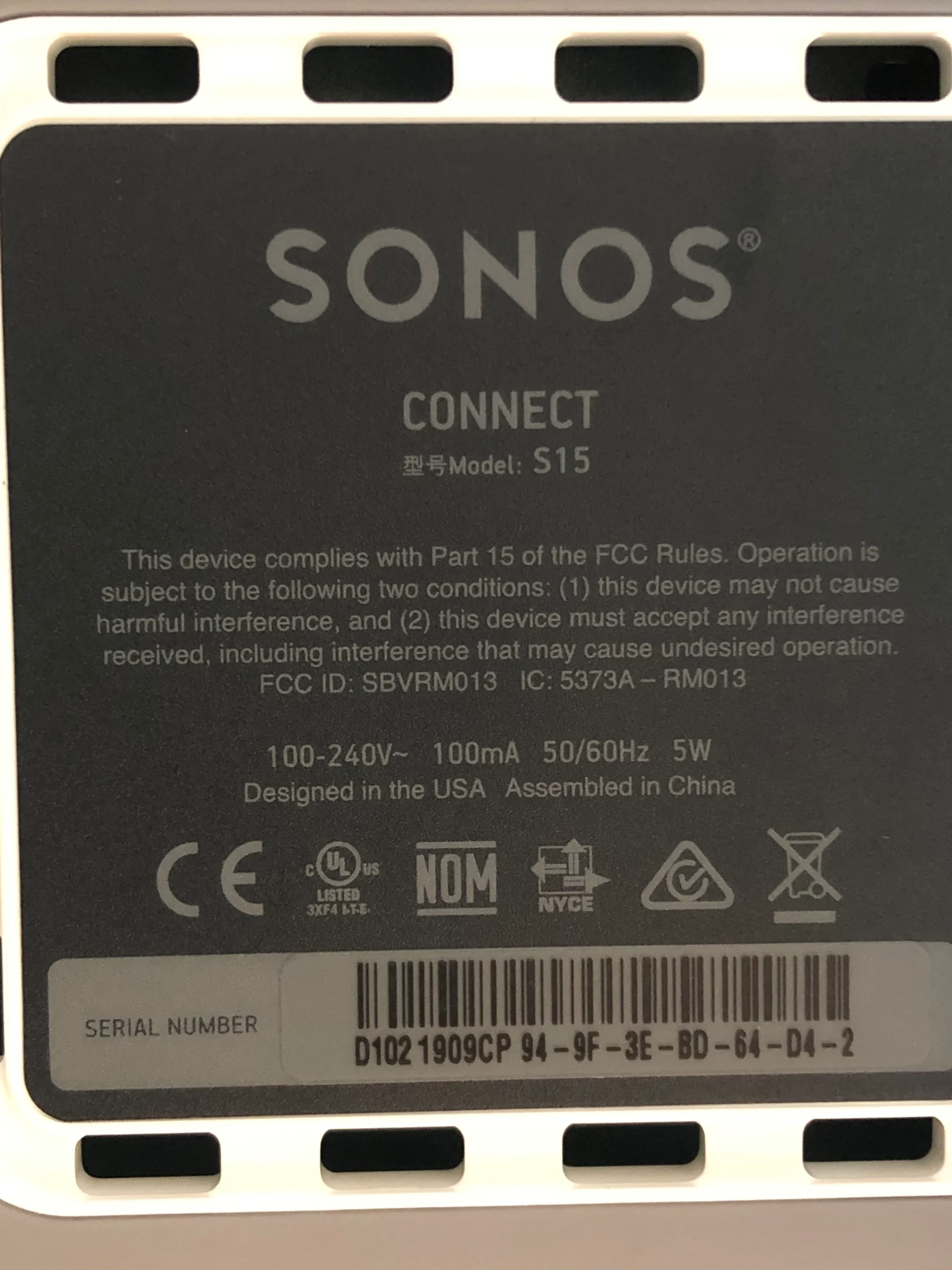
How to Read Date Code on Electronic Components: Easy Guide
Have you ever looked at an electronic component and wondered what those numbers and letters mean? Knowing how to read the date code on electronic components can save you time, money, and frustration.
It helps you check the manufacturing date, ensure quality, and avoid using outdated parts in your projects. You’ll learn simple tips to decode these mysterious markings quickly and confidently. Keep reading—you’re about to unlock a skill that makes every electronics project smoother and more reliable.

Credit: www.circuitbasics.com
Importance Of Date Codes
Date codes on electronic components show the manufacturing date. They help track the age and origin of parts easily. Knowing the date code prevents using old or expired parts that may fail.
Manufacturers use date codes to control quality and manage inventory. This keeps products reliable and safe to use. Date codes also help identify batches with defects or recalls quickly.
For technicians and engineers, date codes provide crucial information. They decide if a component is still suitable for a project or repair. This saves time and money by avoiding unnecessary replacements.
Ensuring Component Reliability
Date codes confirm the freshness of electronic parts. Fresh components reduce the risk of malfunction or damage. Using reliable parts improves the overall performance of devices.
Facilitating Quality Control
Manufacturers track production batches using date codes. This helps spot defects early and improve processes. Quality control relies heavily on accurate date code information.
Managing Inventory Efficiently
Date codes guide proper stock rotation in warehouses. Older stock gets used first, reducing waste and losses. This practice ensures the best parts are available when needed.
Supporting Warranty And Returns
Date codes help verify warranty periods on components. They clarify if a part is eligible for replacement or repair. This protects buyers and sellers in transactions.
Credit: www.sameskydevices.com
Types Of Date Codes
Date codes on electronic components come in various styles. Each type helps identify manufacturing details quickly. Understanding these codes is crucial for verifying product age and authenticity.
The most common types include lot number codes, year-week codes, and Julian date codes. Each format presents information differently but serves the same purpose: traceability.
Lot Number Codes
Lot number codes represent a batch of components produced together. They often combine letters and numbers. These codes help track production runs and quality control.
Manufacturers assign a unique lot number to each batch. This number can reveal the factory, machine, or shift used in production. Lot numbers do not always show exact dates but link to detailed records.
Year-week Codes
Year-week codes display the production year and week. They usually use four digits. The first two digits show the year, the last two show the week number.
For example, a code of 2345 means the component was made in the 45th week of 2023. This format is simple and widely used. It helps quickly estimate component age.
Julian Date Codes
Julian date codes count days from the start of the year. They show the year and the day number from 001 to 365 (or 366). This format is compact and precise.
A code like 22315 means the 315th day of 2022. It helps identify the exact production date. Julian codes appear on many electronic parts for traceability and warranty purposes.
Locating The Date Code
Locating the date code on electronic components helps determine their manufacturing date. This information is useful for quality control and inventory management. The date code can be found in different places depending on the packaging and component type. Knowing where to look saves time and avoids confusion.
Packaging Labels
Packaging labels often carry the date code for electronic parts. These labels are usually on boxes, reels, or trays holding the components. The date code appears alongside other details like part numbers and batch codes.
- Check the outer box or container for printed labels.
- Look near barcodes or serial numbers for date information.
- Date codes may use formats like YYWW (year and week) or MMYY (month and year).
Labels are easier to read than tiny markings on the component itself. They provide quick access to date information before unpacking.
Component Surface
Sometimes the date code is printed directly on the component’s surface. This is common in small parts like resistors, capacitors, and ICs. The code may be engraved, stamped, or printed with ink.
- Use a magnifying glass to see small or faint markings.
- Look for groups of numbers or letters that differ from part numbers.
- Date codes often appear as four digits, showing year and week.
Surface markings can be harder to find but provide precise date details for each component. Handle parts carefully to avoid damaging these codes.
Interpreting Date Codes
Interpreting date codes on electronic components helps identify their manufacturing date. This information is crucial for tracking product age, quality, and warranty. Date codes vary widely by manufacturer and format. Understanding these differences simplifies the reading process. Below are key points to help decode date codes efficiently.
Understanding Manufacturer Variations
Each manufacturer uses its own style for date codes. Some use numbers, others mix letters and numbers. The code may include year, week, or month of production.
Common variations include:
- Two-digit year followed by week number (e.g., 2134 means 34th week of 2021)
- Letter codes representing the month, combined with year digits
- Julian date format showing the day of the year
Check the manufacturer’s datasheet or website for exact decoding rules. This helps avoid misinterpretation and ensures correct component tracking.
Decoding Common Formats
Several standard formats appear frequently across brands. Learning these makes identifying dates faster.
| Format | Description | Example |
|---|---|---|
| YYWW | Year and week number | 2245 = 45th week of 2022 |
| YDDD | Year and Julian day | 2185 = 85th day of 2021 |
| WWYY | Week number and year | 4522 = 45th week of 2022 |
Look for consistent patterns in the code. Confirm by cross-referencing with product packaging or datasheets. This helps verify the component’s age accurately.
Tools For Reading Date Codes
Reading date codes on electronic components requires the right tools. These tools help you see small markings clearly. They also assist in interpreting the codes accurately. Using proper tools saves time and reduces errors. Here are some common tools that make reading date codes easier.
Magnifying Glasses
Magnifying glasses make tiny date codes visible. They come in different sizes and strengths. Some have built-in lights to brighten the view. These glasses help reduce eye strain. They are simple and affordable tools for close inspection.
Digital Readers
Digital readers capture images of date codes. They often include zoom and focus features. These devices can store images for later analysis. They provide a clear view of hard-to-read markings. Digital readers improve accuracy and speed in reading codes.
Online Databases
Online databases decode date codes quickly. They contain information about many manufacturers. Users enter the code to get manufacturing dates. These databases save time and improve understanding. They are useful for cross-checking and verifying data.
Common Mistakes To Avoid
Reading date codes on electronic components is simple but easy to mess up. Avoiding common mistakes helps ensure you get the right information. This keeps your projects accurate and components reliable.
Misreading The Code
Date codes often use short formats and symbols. Mistaking numbers or letters can lead to wrong dates. For example, confusing “18” for “81” changes the year entirely. Some codes use week numbers, which can be tricky. Always double-check the sequence and format before recording.
Small fonts or faded marks cause errors too. Use good lighting and a magnifier if needed. Avoid guessing or assuming the code. Take your time to read carefully.
Ignoring Manufacturer Guidelines
Each manufacturer may have unique date code styles. Ignoring their instructions causes wrong interpretations. Some use different year formats or special letters for months. Manufacturer datasheets or websites provide exact decoding rules.
Failing to follow these guidelines risks using outdated or incompatible parts. Always consult official documents or contact support when unsure. This prevents costly mistakes in your electronics work.
Best Practices
Understanding how to read date codes on electronic components is only part of the challenge. To keep your skills sharp and avoid costly mistakes, you need to adopt best practices that ensure accuracy and reliability. These practices help you stay confident in identifying component ages and maintain quality control in your projects or manufacturing processes.
Regular Training
Consistent practice and training are crucial. Spend time reviewing different date code formats from various manufacturers regularly. This reinforces your ability to quickly spot and interpret codes, especially since some markings can be subtle or vary significantly.
Hands-on sessions with real components improve your recognition skills far better than just reading manuals. Consider organizing or joining workshops where you can compare date codes and discuss tricky cases with peers. How often do you update your knowledge to avoid misreading a component’s manufacturing date?
Staying Updated With Industry Changes
The electronics industry evolves fast, and so do date code standards. Manufacturers sometimes change their coding systems without much fanfare, which can lead to confusion. Keeping up with these changes is essential to prevent errors in component selection or warranty verification.
Subscribe to newsletters, follow manufacturer announcements, and participate in industry forums. These sources often provide early warnings about new date code formats or revised identification methods. Have you checked recently if your reference materials reflect the latest standards?

Credit: www.ti.com
Frequently Asked Questions
How Do I Identify The Date Code On Components?
Date codes are usually printed or stamped on component bodies. They often include year and week numbers for production tracking.
What Do The Numbers In A Date Code Represent?
Typically, the first two digits indicate the year, and the last two represent the week of manufacture.
Why Is Reading Date Codes Important In Electronics?
Reading date codes helps verify component authenticity and ensures proper shelf life and warranty compliance.
Can Date Codes Differ Between Manufacturers?
Yes, different manufacturers use varied formats, but most follow a year-week system for easy interpretation.
Conclusion
Reading date codes on electronic parts helps you know their age. It is useful for checking quality and avoiding old stock. Codes usually show the year and week of manufacture. Practice reading different codes to get better at it. This skill saves time and prevents mistakes in your projects.
Always double-check codes before buying or using components. Keep this guide handy for quick reference anytime. Understanding date codes makes working with electronics easier and safer. Simple steps lead to smart choices. Stay confident and keep learning.