How to Recycle Electronic Components: Easy Steps for Eco-Friendly Disposal
Are you tired of old gadgets piling up and don’t know what to do with them? Recycling electronic components is easier than you think, and it can make a big difference for the environment and your community.
Imagine turning your broken phone or worn-out computer parts into valuable materials instead of trash. You’ll discover simple, practical steps to recycle your electronics safely and effectively. Keep reading to learn how you can take action today and be part of a smarter, cleaner future.
Importance Of Recycling Electronics
Recycling electronics is more than just a responsible choice; it directly impacts the environment, economy, and your community. Every device you recycle saves valuable resources and prevents harmful substances from polluting the planet. Understanding why recycling electronics matters can motivate you to take action and make a difference.
Environmental Protection Through Recycling
Electronic devices contain toxic materials like lead, mercury, and cadmium. If these components end up in landfills, they can leak into soil and water, causing serious health risks for people and wildlife. Recycling safely extracts and manages these harmful substances, reducing pollution and preserving ecosystems.
Conserving Natural Resources
Many electronics include precious metals such as gold, silver, and copper. Mining these metals requires significant energy and disrupts natural habitats. When you recycle your old gadgets, those metals get reused, cutting down the need for new mining and saving energy.
Economic Benefits And Job Creation
Recycling electronics supports a growing industry that creates jobs in collection, sorting, and processing. This industry also helps reduce costs for manufacturers who use recycled materials instead of extracting new ones. Your participation helps drive a circular economy where materials keep moving instead of becoming waste.
Reducing Electronic Waste Volume
The amount of electronic waste is rising rapidly worldwide. When you recycle your devices, you help reduce this growing mountain of waste. This action prevents overflowing landfills and minimizes the strain on waste management systems.
Protecting Your Data And Privacy
Recycling electronics through trusted programs ensures your personal data gets destroyed properly. Simply tossing old devices in the trash can lead to data breaches or identity theft. Recycling responsibly gives you peace of mind knowing your information is safe.

Credit: www.youtube.com
Common Electronic Components To Recycle
Electronic waste contains many valuable parts. These parts can be reused or recycled. Recycling saves resources and reduces pollution. Knowing which components to recycle helps the process.
Some electronic components are easy to remove and recycle. Others need special handling. Identifying common parts makes recycling safer and more efficient.
Printed Circuit Boards (pcbs)
PCBs hold many electronic parts. They contain metals like gold, copper, and silver. Recycling PCBs recovers these valuable metals. They should be separated carefully from devices.
Batteries
Batteries store power for gadgets. They contain chemicals that can harm the environment. Recycling batteries prevents pollution. Different types like lithium-ion and alkaline need proper disposal.
Capacitors And Resistors
Capacitors and resistors control electric flow. They are small but useful parts. Some contain hazardous materials. Proper recycling keeps toxins out of landfills.
Hard Drives And Memory Modules
Hard drives and memory hold data. They contain metals and plastics. Recycling these parts protects data and recovers materials. Remove them carefully from old computers.
Displays And Screens
Displays use glass, plastic, and metals. LCD and LED screens need special recycling. They may contain mercury or other harmful substances.
Transformers And Inductors
Transformers change voltage levels. Inductors store energy. Both have metals like copper and iron. Recycling them recovers important materials.
Connectors And Switches
Connectors and switches help devices work. They often contain metal and plastic parts. These components can be recycled to reduce waste.
Preparing Electronics For Recycling
Preparing your electronic devices before recycling is a crucial step to ensure safety and maximize the value of recovered materials. Taking a few moments to organize and clean your electronics can make a big difference in how effectively they are processed. Let’s look at the essential actions you should take to get your gadgets ready for recycling.
Data Backup And Erasure
Your personal information is stored on many electronic devices. Before recycling, back up important files to an external drive or cloud service to avoid data loss. Once your data is safe, erase all personal information from the device using factory reset or specialized software.
Simply deleting files isn’t enough; data recovery tools can still retrieve deleted information. You may want to physically destroy hard drives or memory cards if the data is highly sensitive. Have you ever thought about the risks of discarding devices without wiping data first?
Removing Hazardous Materials
Some electronics contain harmful substances like batteries, mercury, or lead. Removing these parts before recycling prevents environmental damage and makes the recycling process safer. For example, take out the lithium-ion batteries from laptops or smartphones and dispose of them at designated battery recycling points.
Be cautious when handling components such as fluorescent tubes or circuit boards, as they may require special care. Not sure which parts are hazardous? Check the device manual or look for recycling guidelines online specific to your device type.
Sorting By Material Type
Sorting your electronics by material type can speed up the recycling process and increase the recovery rate. Separate plastics, metals, glass, and circuit boards into different containers if possible. This simple step helps recycling centers handle your items more efficiently and reduces contamination risks.
For example, remove plastic casings from metal frames or detach cables from devices before dropping them off. Have you noticed how much easier it is to recycle when items are pre-sorted? This small effort benefits both the environment and the recycling facility workers.

Credit: ecircular.com
Locating Recycling Centers
Finding the right place to recycle your electronic components can feel overwhelming, but knowing where to look makes the process much simpler. Recycling centers vary widely in services and convenience, so understanding the options available near you can save time and ensure your e-waste is handled responsibly. Let’s break down how to locate the best recycling spots based on different programs and certifications.
Local Government Initiatives
Many cities and towns offer dedicated e-waste recycling programs through their local government offices. These initiatives often include scheduled collection events or permanent drop-off locations for electronic components. Checking your municipality’s website or calling your city hall can give you up-to-date information on where to take your old devices.
When I first tried recycling my old computer parts, I found a local government event that accepted everything from circuit boards to batteries. It was straightforward and free, which made me realize how accessible these programs can be if you just look.
Retail Take-back Programs
Some electronics retailers provide take-back programs that allow you to return old gadgets directly to the store. Popular chains often accept items like smartphones, chargers, and even larger electronics. This option is convenient because you can recycle while you shop, avoiding extra trips.
- Best Buy’s recycling program accepts most electronics and offers in-store drop-off.
- Staples also runs a program for small electronics and office equipment.
Retailers may even offer incentives, such as discounts or gift cards, to encourage participation. Have you checked if your favorite store has a take-back program before tossing your electronics?
Certified E-waste Recyclers
Certified recyclers follow strict environmental and safety standards to process electronic waste properly. Look for certifications like R2 or e-Stewards to ensure your components won’t end up in landfills or shipped overseas irresponsibly. These recyclers often accept a broader range of materials than general drop-off points.
Using a certified recycler means you’re supporting ethical disposal practices. You can usually find certified recyclers through online directories or by contacting environmental organizations. Would you be willing to go a little further to make sure your e-waste is recycled the right way?
Diy Recycling Techniques
DIY recycling techniques give you the chance to handle electronic waste right at home. They not only reduce clutter but also help you recover useful materials and create new items. These hands-on approaches can save you money and reduce environmental impact.
Repurposing Old Devices
Instead of tossing out outdated gadgets, think about how you can give them a new life. Old smartphones can turn into security cameras or digital photo frames with just a few app downloads. Even broken laptops can become media centers or server hubs if you install lightweight operating systems.
Have you ever tried turning a non-working device into something practical? Many find it rewarding to breathe new life into electronics rather than adding to landfill waste.
Extracting Valuable Metals
Electronic components contain precious metals like gold, silver, and copper that can be extracted with care. Small-scale methods include using simple chemical baths or manual separation tools, but safety is crucial to avoid exposure to toxic substances.
For example, you can safely remove copper wires from old power cords or salvage gold pins from circuit boards using basic tools. This effort can save money and reduce demand for new mining.
Creative Upcycling Ideas
Upcycling lets you transform electronic parts into unique, functional items. Circuit boards can become stylish coasters or wall art, while keyboard keys can be turned into jewelry or keychains.
Try combining different components to design tech-inspired home décor or gifts. What could you create with a box of old resistors, LEDs, and wires? Your imagination is the limit.
Credit: www.4thbin.com
Benefits Of Eco-friendly Disposal
Eco-friendly disposal of electronic components helps protect the environment. It reduces harmful waste and lowers pollution levels. Recycling parts saves natural resources and energy. It supports a cleaner, healthier planet for everyone.
Reduces Toxic Waste In Landfills
Electronic devices contain harmful chemicals and metals. These materials can leak into soil and water if not disposed of properly. Eco-friendly disposal prevents toxic waste from harming nature.
Conserves Natural Resources
Recycling recovers valuable metals like gold, copper, and silver. It means fewer new materials need to be mined. Saving natural resources reduces environmental damage and energy use.
Lowers Energy Consumption
Making new electronics from recycled parts uses less energy. It produces fewer greenhouse gases. Energy savings help fight climate change and reduce air pollution.
Supports Sustainable Manufacturing
Recycled materials can be used in new products. This creates a circular economy where resources stay in use longer. Sustainable manufacturing reduces waste and supports eco-friendly business practices.
Protects Human Health
Proper disposal keeps dangerous substances away from people. It lowers health risks related to exposure to toxic chemicals. Safe recycling methods protect workers and communities.
Challenges In Electronics Recycling
Recycling electronic components is more complicated than it might seem. You might think tossing your old phone or laptop into a recycling bin solves the problem, but there are hidden challenges that slow down the process. Understanding these hurdles can help you make better choices and encourage improvements in recycling systems.
Complexity Of E-waste
Electronic waste contains a mix of metals, plastics, glass, and hazardous substances. Separating these materials requires specialized equipment and skilled labor.
Many devices have tiny components soldered together, making it tough to extract valuable parts without damage. Have you ever tried dismantling a gadget only to get frustrated by the tiny screws and glued pieces?
This complexity means that simple recycling methods often fail, leading to valuable resources being wasted or harmful chemicals leaking into the environment.
Cost And Resources
Recycling electronics is expensive. Facilities need advanced technology to safely break down devices and recover materials like gold, copper, and rare earth metals.
These costs can discourage companies from investing in proper recycling programs. Without enough funding, many electronic components end up in landfills or are shipped to countries with lax environmental laws.
Would you pay more for electronics if you knew part of the cost supported responsible recycling?
Consumer Awareness And Participation
Many people don’t know how or where to recycle their old electronics. Lack of clear information leads to low participation in recycling programs.
Sometimes, convenience plays a bigger role than responsibility. If recycling centers are far or inconvenient, you might simply toss devices in the trash.
What if manufacturers made it easier for you to return used electronics, maybe by offering take-back programs or drop-off points in every neighborhood?
Future Of Electronic Waste Management
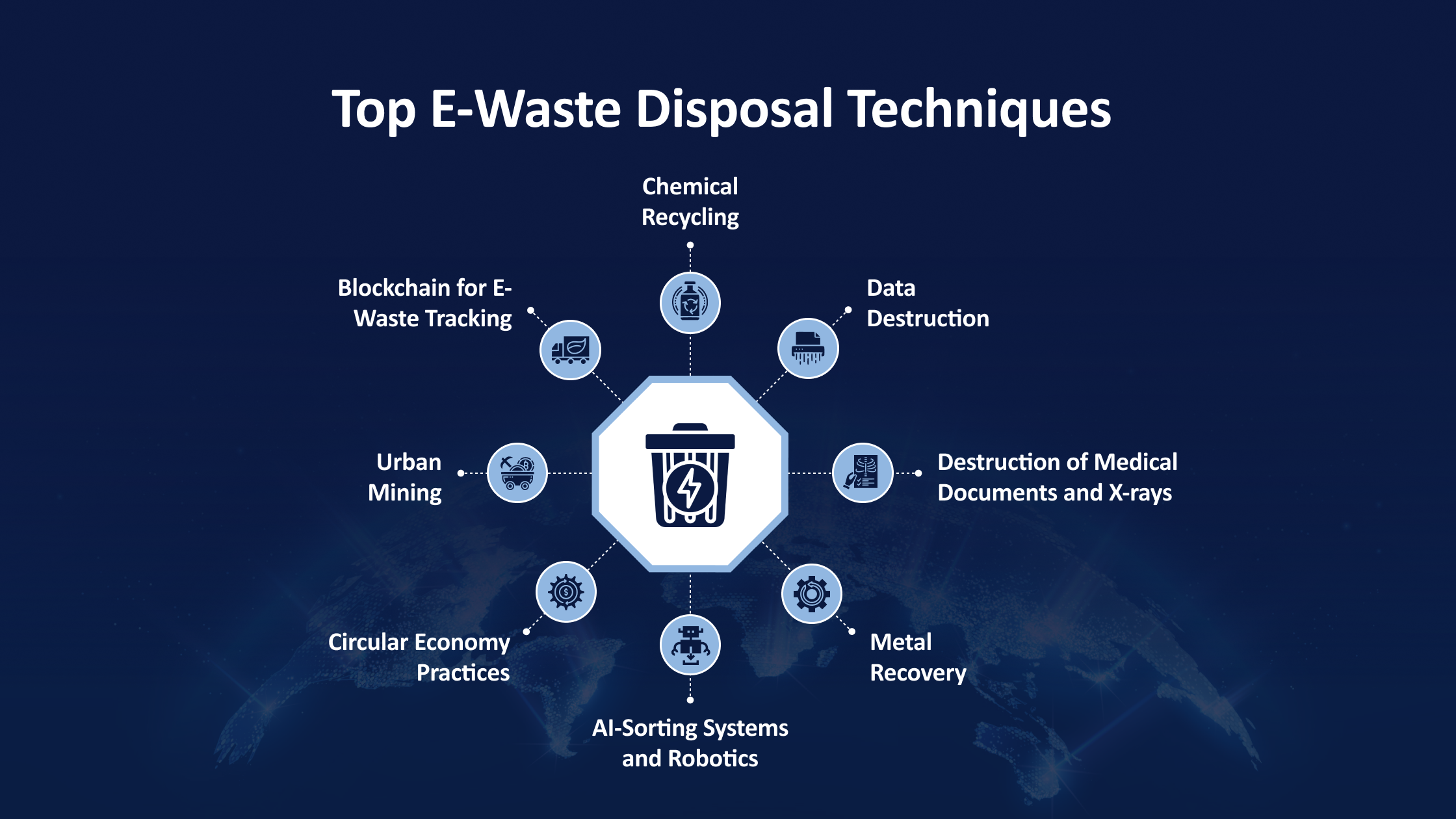
The future of electronic waste management holds promising changes. As technology evolves, new methods will emerge to handle e-waste more efficiently. These advancements aim to reduce environmental harm and recover valuable materials from old electronics.
Governments and companies are working on better recycling systems. They focus on creating safer ways to dispose of and reuse electronic parts. Innovations in this field will help lower pollution and save natural resources.
Advancements In Recycling Technology
New machines use robotics and AI to sort electronic waste quickly. These tools separate metals, plastics, and glass with high accuracy. This process reduces manual labor and increases recycling rates.
Legislation And Global Cooperation
Countries are creating stricter laws to control e-waste disposal. International agreements help share knowledge and resources. This cooperation ensures safer and more effective waste management worldwide.
Consumer Awareness And Participation
People are becoming more aware of e-waste problems. Educational campaigns encourage proper recycling habits. Consumers play a key role in returning old devices to recycling centers.
Designing Electronics For Easy Recycling
Manufacturers are designing products with recycling in mind. Components are easier to separate and reuse. This approach reduces waste and saves materials during production.
Frequently Asked Questions
What Electronic Components Can Be Recycled Safely?
Common recyclable components include circuit boards, batteries, wires, and capacitors. Proper recycling prevents toxic waste and recovers valuable metals like gold and copper.
How Do I Prepare Electronic Parts For Recycling?
Remove batteries and separate plastics, metals, and circuit boards. Clean components if needed and package them securely to avoid damage during transport.
Where Can I Recycle Old Electronic Components Nearby?
Check local e-waste recycling centers, electronics stores, or municipal collection events. Many areas offer free drop-off points for safe electronic disposal.
Why Is Recycling Electronic Components Important?
Recycling reduces environmental pollution, conserves resources, and prevents hazardous materials from entering landfills. It also supports sustainable technology reuse and recovery.
Conclusion
Recycling electronic parts helps protect the planet. It saves natural resources and reduces waste. You can easily sort old devices and find local recycling centers. Small efforts make a big difference over time. Everyone can play a part in this process.
Start today by recycling your unused electronics. Clean up your space and help the environment too. Every recycled component counts toward a healthier world. Simple steps lead to lasting change. Keep recycling and spread the word to others.